
Last updated November 25, 2026
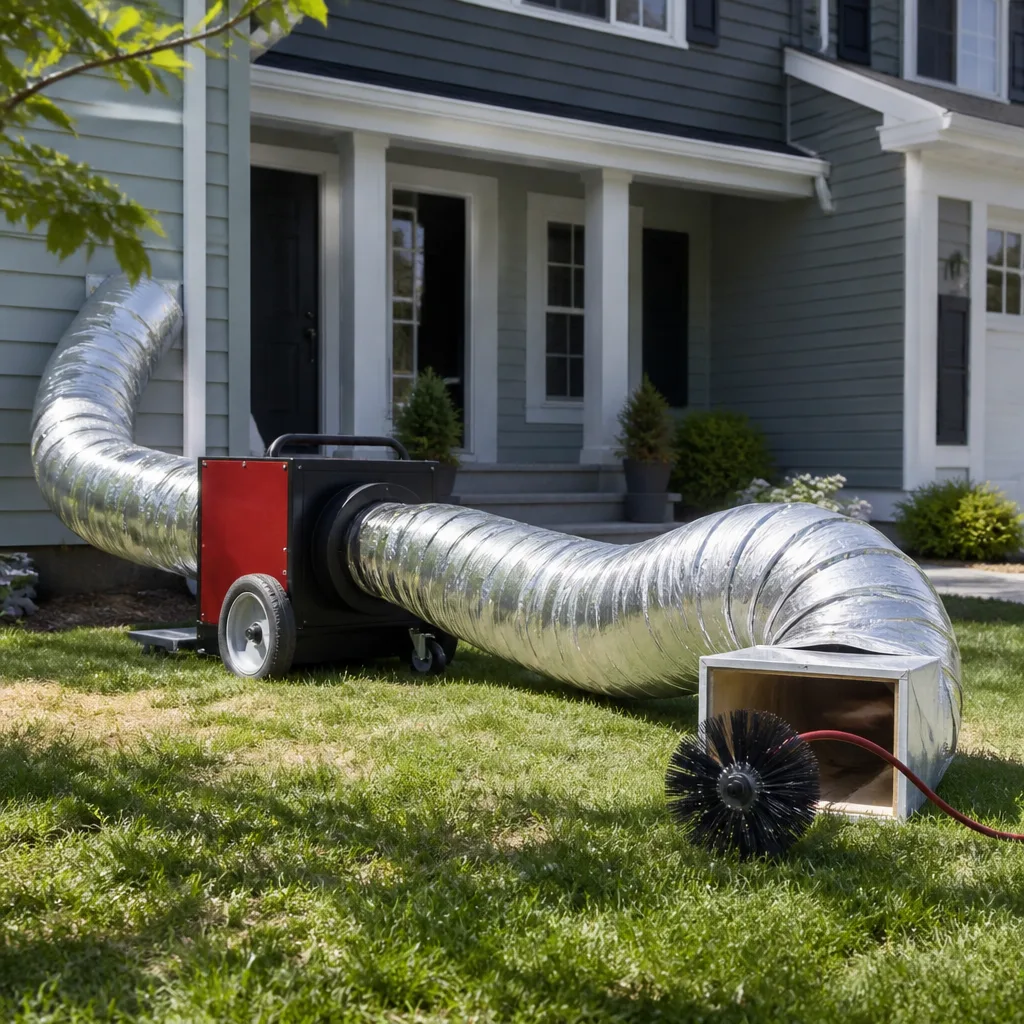 Whole-home duct cleaning
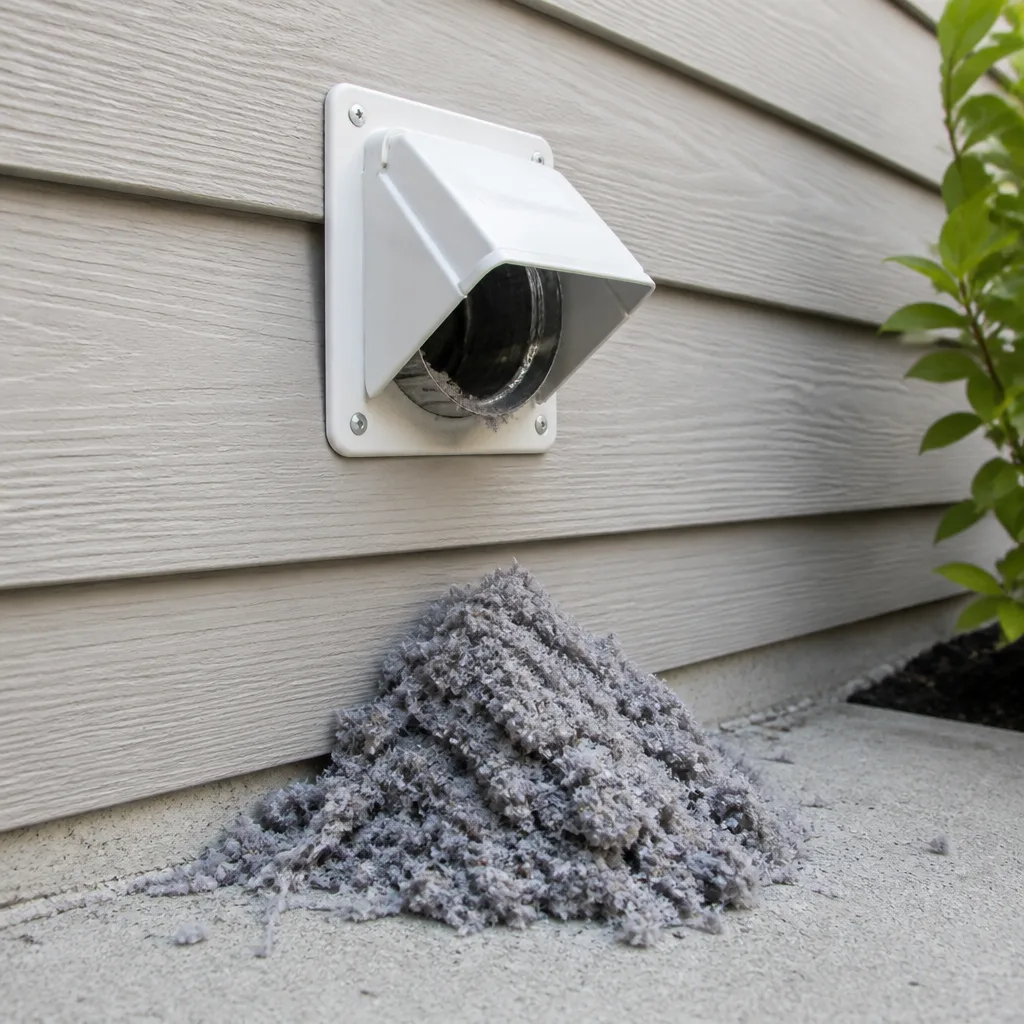 Dryer vent cleaning
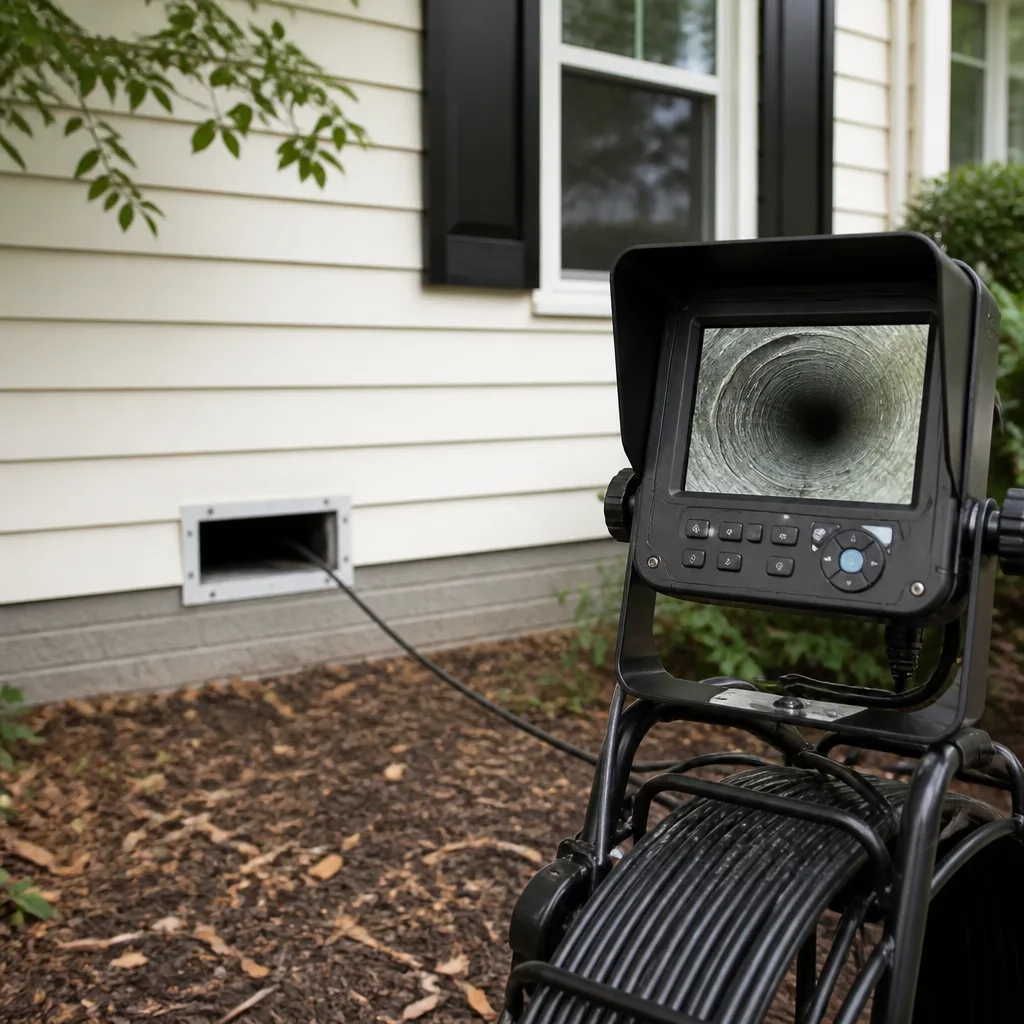 Camera inspection
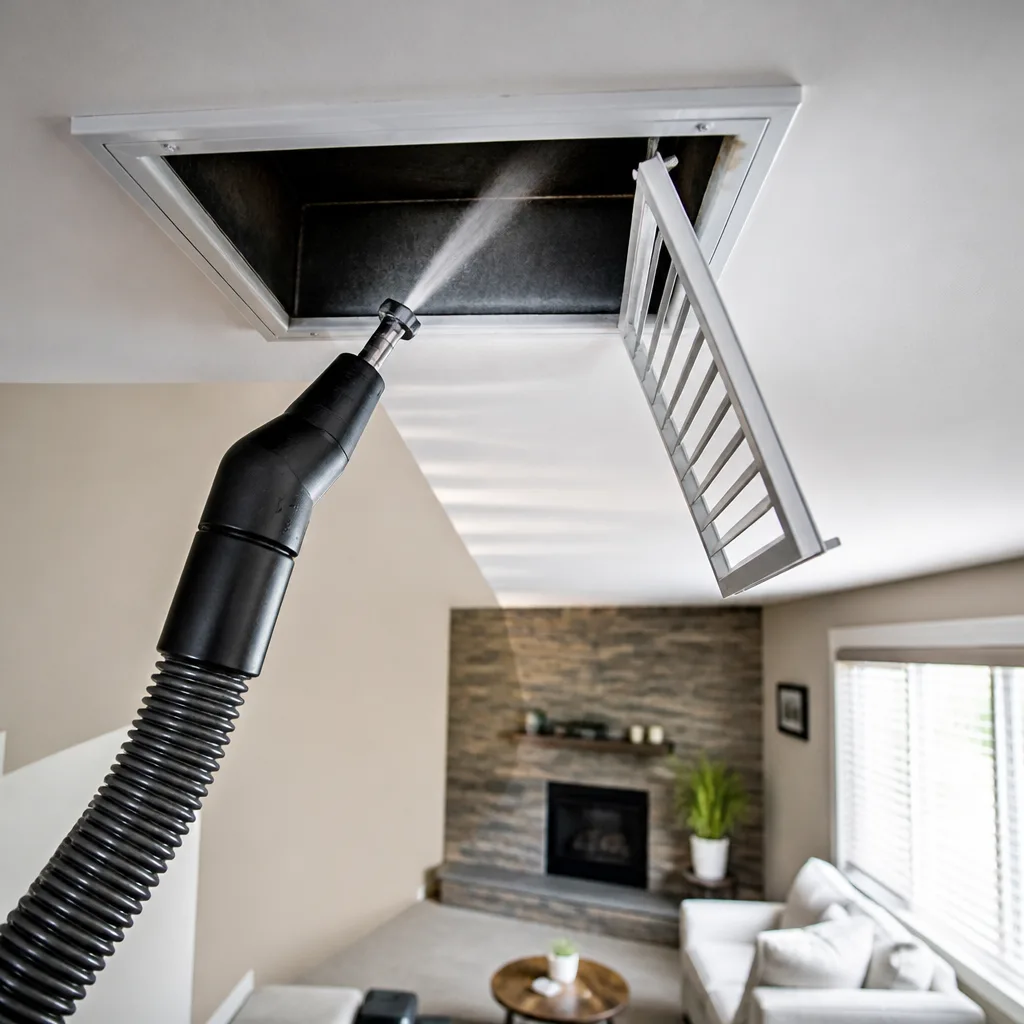 Sanitizing & deodorizing
Whole-system duct and dryer vent check with before-and-after photos - you see exactly what came out of your vents
That "$99 whole-house special" is a bait ad - the real number appears once they are in your hallway, or the "clean" is a shop-vac at the register. We photograph the inside of your ducts before and after instead.
Seasonal Air Duct Cleaning Care for Energy Corridor: Year-Round Homeowner’s Guide
The standard advice to clean your ducts “every three to five years” was not written for a place where the air handler runs ten or eleven months a year and summer humidity sits above 90% for weeks at a time. In Energy Corridor, that timeline is often too conservative by half. Ducts here live through a two-season stress cycle, not a model with four neat quarters: a long cooling load, a short and mild heating stretch, and brief shoulder periods in between. This guide lays out a maintenance calendar built around that reality, covering pre-cooling season cleaning, mid-summer checks, the October transition, and what the February 2021 freeze taught local HVAC professionals about duct vulnerability. You’ll finish with a single annual schedule you can actually keep.
Quick Answer
In Energy Corridor, a full duct cleaning is best scheduled in February or early March, before the cooling season puts sustained load on the system, with a lighter check in August during peak heat and a second look in October once months of continuous AC operation have passed. Filter changes should happen every one to three months year-round, coil checks once a year before summer, and professional cleaning adjusted to how much dust and moisture your home actually produces rather than a fixed national timeline.
Styles & brands we work with
- Whole-home duct cleaning
- Dryer vent cleaning
- Camera inspection
- Sanitizing & deodorizing
Table of Contents
- Why Energy Corridor’s Climate Breaks the Standard Cleaning Calendar
- Pre-Cooling Season (February – March): The Highest-ROI Window
- Mid-Summer Checks: Leakage, Coil Fouling, or Normal Heat?
- The October Transition: Moisture and Biofilm After Peak Load
- Post-Freeze Protocol: What the 2021 Event Revealed About Ducts
- Syncing Filters, Coils, and Cleanings Into One Annual Schedule
- Humidity, Filtration, and Air Quality Through the Year
- Reading Your System’s Seasonal Signals
Why Energy Corridor’s Climate Breaks the Standard Cleaning Calendar
Most consumer advice about duct cleaning is written for a climate with four distinct seasons. That model assumes the HVAC system rests for long stretches each year and that the biggest stressor is winter. In Energy Corridor, the opposite is true. The cooling load dominates. Your air handler can run from March into November without a real break, and the demand is not gentle: it is pulling warm, humid Gulf air through the return, cooling it, and pushing it through the supply network hour after hour.
That long, humid cycle matters because it changes what accumulates in the ducts. Dry climates produce mostly dust. A Houston-area home produces dust plus moisture, and moisture is what turns ordinary debris into the sticky film that supports biological growth. The ducts that cool your home for most of the year are also the ducts that stay damp for most of the year.
Here’s the second reason the national timeline doesn’t fit:
- The cooling season lasts ten to eleven months, so the system accumulates more air-hours of debris than a northern system that runs hard for three months and idles the rest of the year.
- Peak humidity routinely exceeds 90%, which raises the moisture load on the coil and the ducts downstream of it.
- The mild winters mean the heating side of the system rarely runs long enough to dry the ductwork out.
- Homes here often sit sealed tight against the heat, so recirculated air carries the same dust and particles around more times per day.
When we build a cleaning plan for an Energy Corridor home, we’re not applying a national rule of thumb. We’re matching the work to how many months of load the system actually carries and how much moisture it has to manage. That’s the whole idea behind air duct cleaning in Energy Corridor done on a schedule rather than on a whim.
Pre-Cooling Season (February – March): The Highest-ROI Window
If you schedule one professional cleaning a year, February or early March is the time to do it. The reasoning is straightforward. You are cleaning the system before it takes on ten months of sustained work, not after. Debris, dust, and any biological growth that built up over the previous cooling season get removed before the system starts pulling high volumes of humid air through them again.
Think about what the air handler faces in a typical Energy Corridor summer. Every hour of cooling means warm, moist air crossing the evaporator coil and being pushed through the same supply trunks. Any fouling on the coil or debris in the ducts reduces airflow, and reduced airflow means the coil runs colder and wetter. Wetter coils grow more biological film, which restricts airflow further. Cleaning before the season starts interrupts that loop at the beginning instead of trying to break it in July.
What a pre-cooling cleaning involves:
- Inspection of the supply and return network, including accessible trunks, branches, and registers.
- Containment and negative-pressure setup so loosened debris is captured, not spread into the living space.
- Mechanical agitation of duct surfaces using professional equipment like the Rotobrush system, which reaches surfaces a shop vacuum and a brush cannot.
- Source removal from the air handler, coil area, and plenum connections.
- A visual check that registers and connections are sound before the system is put back into full service.
This is also the right window to catch leakage and disconnected joints, because a leak that gets sealed in March saves cooling dollars all summer. Cleaning is only half the job when the ducts themselves are the problem. We clean the system, then we make sure it stays clean, which is why duct repair and sealing belong on the same visit when the inspection calls for it.
One practical note: don’t wait until the first hot week in May. Demand for this work climbs as temperatures rise, and scheduling in the cooler shoulder keeps the process relaxed and lets you verify results before the system starts running flat out.
Mid-Summer Checks: Leakage, Coil Fouling, or Normal Heat?
By July and August, every home in Energy Corridor feels warm sometimes. The useful question is not whether it’s hot outside but whether your system is behaving the way it should under peak load. Most of the time, a hot afternoon with elevated room temperature is normal performance. Sometimes it isn’t. Knowing the difference saves you from paying for a service you don’t need and from ignoring a problem you do.
Signs that point to normal hot-weather performance:
- The system keeps up if you give it a head start before the hottest part of the day.
- Rooms near the thermostat stay close in temperature to the setpoint, even if they drift a degree or two at peak.
- Airflow from the registers feels consistent from room to room.
Signs that usually point to duct leakage:
- One or two rooms stay noticeably warmer than the rest, consistently, not just during a record hot spell.
- You feel air moving near joints, attics, or flex-duct connections rather than only at the registers.
- The system runs long cycles without dropping the indoor temperature, and utility costs rise while your habits haven’t changed.
Signs that usually point to coil fouling or restricted airflow:
- Airflow feels weak at multiple registers at once, not just one room.
- The air coming out of registers feels less cold than it once did.
- Musty odors appear when the system starts, which often means the coil or the ducts downstream are staying wet.
A mid-summer evaluation isn’t a full cleaning. It’s a diagnostic look. If leakage is the issue, repair and sealing fixes the root cause. If the coil is fouled, HVAC cleaning handles the coil and air handler. We find what’s causing the problem, not just what’s visible, and mid-summer is precisely when that distinction matters most.
The October Transition: Moisture and Biofilm After Peak Load
By October, your system has spent months cycling humid air through the same ductwork. That is the point in the year when moisture-related problems become visible, and it’s usually the second-best window for a professional look at the ducts. The cooling season is easing but not over, and the short heating season hasn’t begun. That gap is your chance to deal with the wet-season residue before the system switches modes.
What accumulates over a long cooling season:
- Fine dust that has bonded to duct walls where surfaces stayed slightly damp.
- Biological film on the evaporator coil and in the plenum area, which is a common source of musty smells.
- Lint and debris at return grilles and in return trunks.
- Loose debris near flex-duct connections where joints have begun to fail.
Why biofilm deserves attention here in particular: in a climate where the system doesn’t dry out for most of the year, the surfaces downstream of the coil stay damp enough for long enough that biological growth has a real foothold. Cleaning alone removes the material, but sanitizing addresses what’s left behind on surfaces. That’s where our air quality and sanitizing service comes in. We use Abatement Technologies and Guardsman products to treat contamination, and we pair that with filtration from Honeywell and Aprilaire to keep the system’s air quality from degrading again between visits.
An October visit typically includes:
- Re-inspection of the duct network and coil area after the cooling season.
- Cleaning of accumulated debris and any biofilm visible on accessible surfaces.
- Sanitizing where contamination is confirmed.
- A filter review so the filtration setup matches your home’s real dust and moisture load.
- A check of any joints or connections that loosened during peak load.
Doing this in October also means any repair work gets completed before the heating season, however brief, arrives.
Post-Freeze Protocol: What the 2021 Event Revealed About Ducts
The February 2021 freeze is the reference point local HVAC professionals use when talking about duct vulnerability in Energy Corridor. The lesson that stuck isn’t about insulation ratings or code changes. It’s about pressure. When temperatures drop far below normal for a sustained period, homes and systems behave differently than they do in a typical mild winter.
What happened to ducts during that event, and what it means for your annual routine:
- Homes ran heating systems that had been idle for years, which revealed ductwork problems that had never surfaced in cooling mode. Joints that leaked quietly all summer became obvious when warm air started moving through different pathways.
- Many homes lost power for extended stretches. When the system restarted, seals and flex connections that had been stressed by temperature swings were more likely to leak.
- The event exposed how much duct condition had been ignored during cooling-only years, because problems that never affected comfort became visible all at once.
- Homeowners who had never had their ducts inspected started asking questions, and the answers were often that the network had accumulated years of debris and needed sealing.
A practical post-freeze check, whether or not you experienced damage, looks like this:
- Inspect accessible duct connections for visible gaps or separated joints after any hard freeze.
- Check airflow at each register for changes compared to normal operation.
- Look for any dust streaks near joints that suggest air is escaping through them.
- Have the network inspected if you haven’t had it looked at since the event.
- Seal any confirmed leaks, because a leak that lets conditioned air escape costs money every month afterward.
We mention this specifically because Energy Corridor winters are mild enough that many homeowners skip the inspection entirely. The mild season is exactly why the vulnerabilities are easy to miss until something unusual happens.
Syncing Filters, Coils, and Cleanings Into One Annual Schedule
The most common maintenance failure we see isn’t missed cleanings. It’s a fragmented approach where filters get changed on one schedule, the coil gets checked whenever someone remembers, and cleaning happens sporadically. Each of those is a separate task, so none of them is coordinated with the others, and the system ends up partly maintained everywhere and fully maintained nowhere.
The fix is one annual calendar that moves in step with the Energy Corridor climate. Here’s a framework you can adapt:
- February – early March: Full professional duct cleaning and inspection. Filter replacement at the same visit. Coil check completed before cooling season. Any repair and sealing work identified during the inspection.
- April – May: Filter change (one- to three-month interval depending on your home). Quick airflow check at registers to confirm the pre-season work is holding.
- June – August: Filter changes on schedule. If cooling performance drops, request a mid-summer diagnostic rather than assuming the system just needs cleaning.
- September – October: Second filter review, post-season inspection, sanitizing where needed, and any duct repair and sealing that the inspection turns up.
- November – January: Heating season check. Confirm register airflow when your system runs in heat mode for the first time since the previous year. Change filters on the normal interval.
The point of a single calendar is that every task reinforces the others. A cleaning followed by a filter change holds its result longer. A sealing repair reduces how fast the ducts foul again. Filtration that matches your home’s dust load keeps the coil cleaner between visits. Professional equipment, not shortcuts, is what makes that sequence work.
Filter changes are the one task you can do yourself. Everything else, from coil inspection to duct sealing, benefits from a professional set of eyes and equipment. If you’ve never had the ducts inspected, start with a cleaning and go from there rather than trying to reconstruct a schedule from scratch.
Humidity, Filtration, and Air Quality Through the Year
Humidity is the thread running through every part of this maintenance calendar. It determines how much moisture the coil has to remove, how quickly duct surfaces stay damp, and how much biological growth has a chance to establish. In Energy Corridor, humidity is not a summer problem you solve in June. It’s a year-round condition that shapes what you need from your filtration and your cleaning schedule.
Filtration does most of the day-to-day work. A filter that matches your home’s real dust load traps particles before they reach the coil, which slows fouling and reduces the material that ends up in the ducts. When we work with Honeywell and Aprilaire filtration solutions, the goal is a setup that fits the home’s actual load, not the highest-rated filter the shelf offers. Too fine a filter with an underpowered system can restrict airflow, and restricted airflow creates the moisture problem you were trying to prevent.
Here’s how the pieces connect:
- Cleaning removes what’s already in the system.
- Sanitizing, using Abatement Technologies and Guardsman products, addresses contamination that cleaning alone doesn’t resolve.
- Filtration reduces new debris from reaching the coil and ducts.
- Repair and sealing stop conditioned air from escaping and stop unfiltered air from entering the network.
Each one is more effective when the others are in place. That’s what full-system indoor air quality means in practice, from the ducts to the air you breathe. If you’ve noticed a persistent musty smell through the cooling season, that’s a sign sanitizing may be part of the answer, not just a filter change.
Reading Your System’s Seasonal Signals
Your system will tell you when something is off, but the signals are easy to misread. A quiet home in October can hide a moisture problem that started in August. A hot room in July can hide a duct leak. The trick is to know what each season’s signals actually mean.
Through the cooling season, watch for:
- Registers that feel weak in the same rooms every year, which usually means a duct issue rather than a thermostat issue.
- Musty odors that appear when the system starts, which often indicate moisture at the coil or downstream surfaces.
- Dust resettling on surfaces within days of cleaning, which suggests the system is redistributing debris it should have captured.
- Utility costs that climb without lifestyle changes, which can signal air loss from duct leakage.
Through the brief heating season, watch for:
- Warm air that feels weak in rooms that cooled fine in summer, which can indicate duct paths that only matter in heat mode.
- New dust streaks at register edges or near joints, which point to leakage.
- Any change in how quickly the system brings the home to temperature compared to previous years.
None of these is an emergency. They are signals that the annual calendar needs a professional look, which is exactly what the pre-cooling and post-season windows are designed to provide.
Common Mistakes to Avoid
- Following the “every three to five years” rule. That timeline was written for a four-season climate with a long dormant period. In a place where the air handler runs ten or eleven months a year, it usually means stretching the interval too long between cleanings.
- Skipping the pre-season cleaning because the house feels fine. A clean system in March is easier to verify than a mid-summer system that’s already under load. Doing the work before peak demand makes the results measurable.
- Treating filter changes as the whole maintenance plan. Filters don’t remove debris from the ducts, they don’t clean the coil, and they don’t seal leaks. They’re one part of the schedule, not the schedule itself.
- Ignoring duct leakage because it looks minor. A small gap at a joint costs money every month and lets unfiltered air into the network. Sealing it during a cleaning visit is far more efficient than treating it as a separate job later.
- Choosing a company that only cleans and can’t repair. If the inspection finds disconnects or deteriorated flex duct, a cleaning-only provider has to refer you elsewhere. A team that does both keeps the job on one visit and one set of records.
- Letting a musty smell run all summer. Odors that appear at system start usually point to moisture and biological growth on accessible surfaces. Cleaning alone treats the material; sanitizing treats what stayed behind.
- Never having the ducts inspected at all. Many homes in Energy Corridor have never had a duct inspection, which means leaks and accumulated debris go unnoticed until comfort or cost problems force the issue.
See the difference
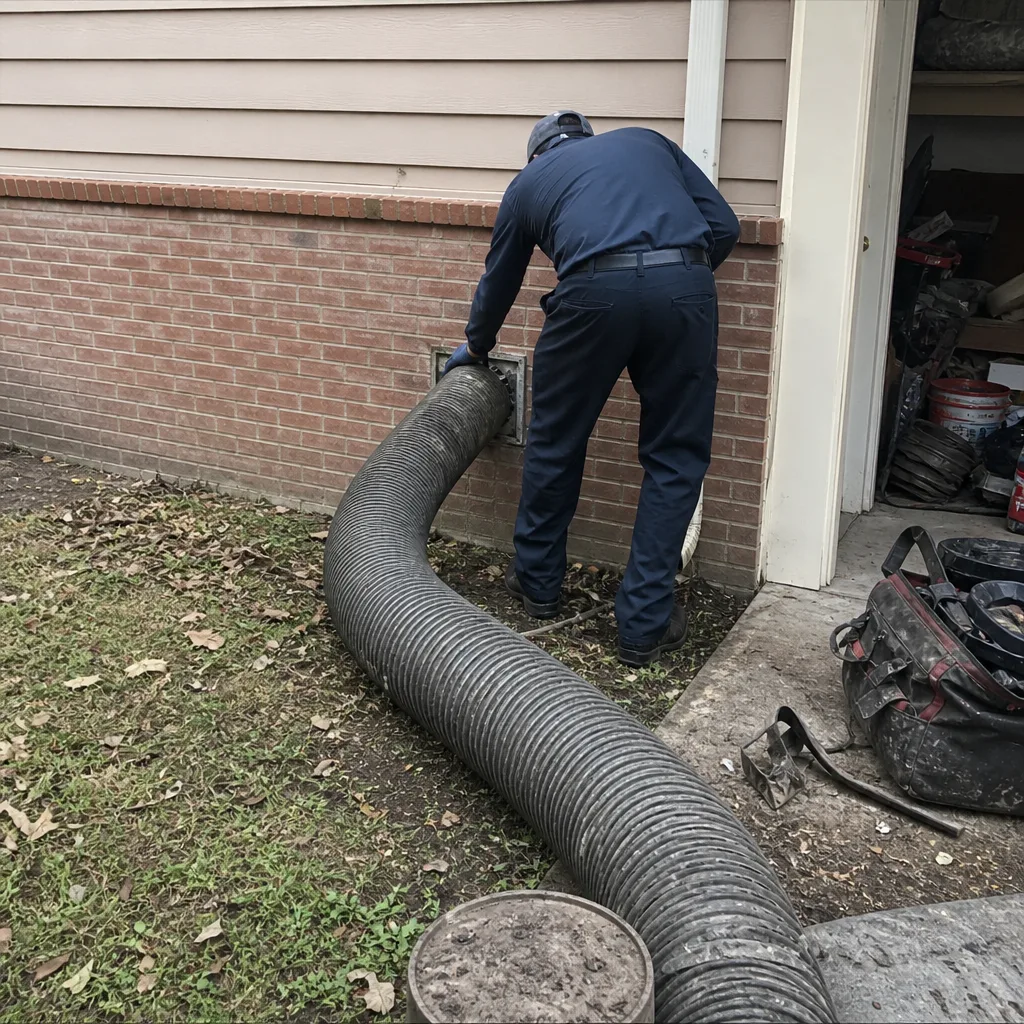 Before
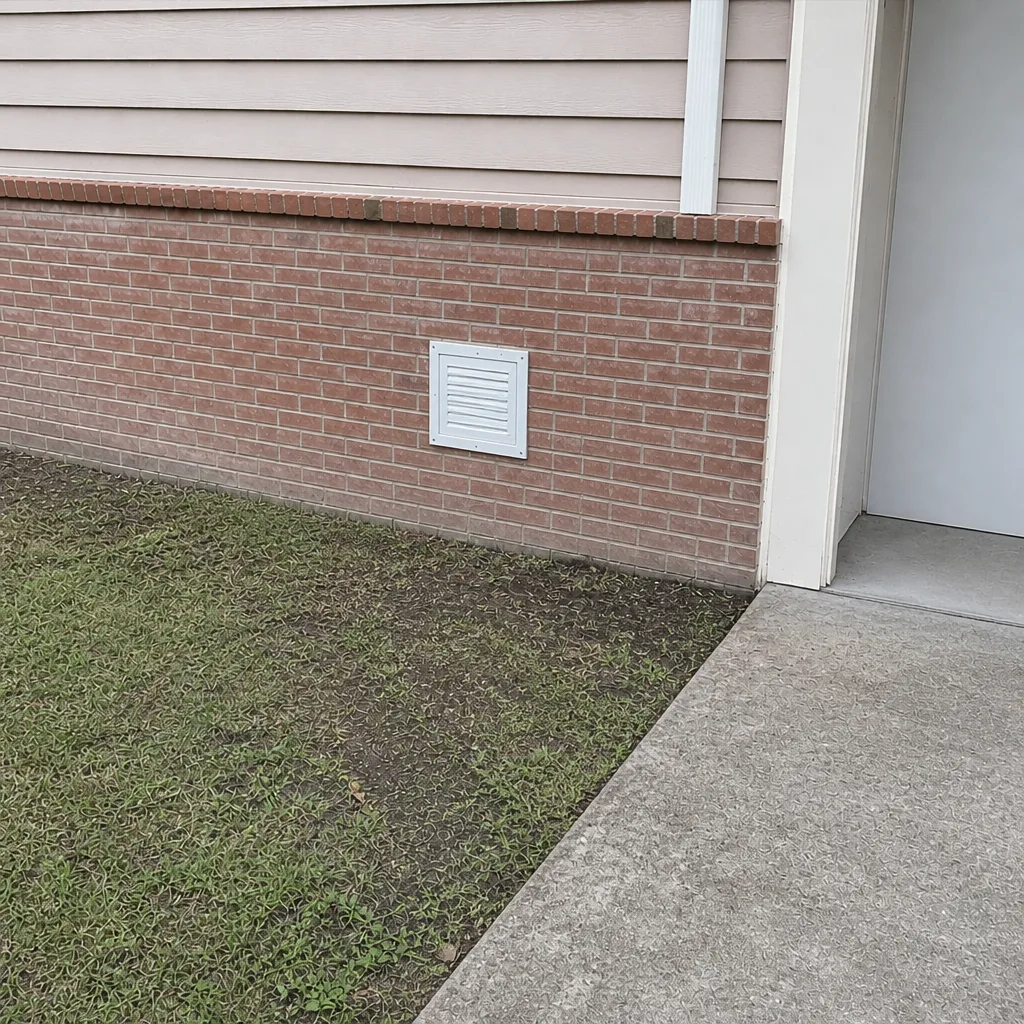 After
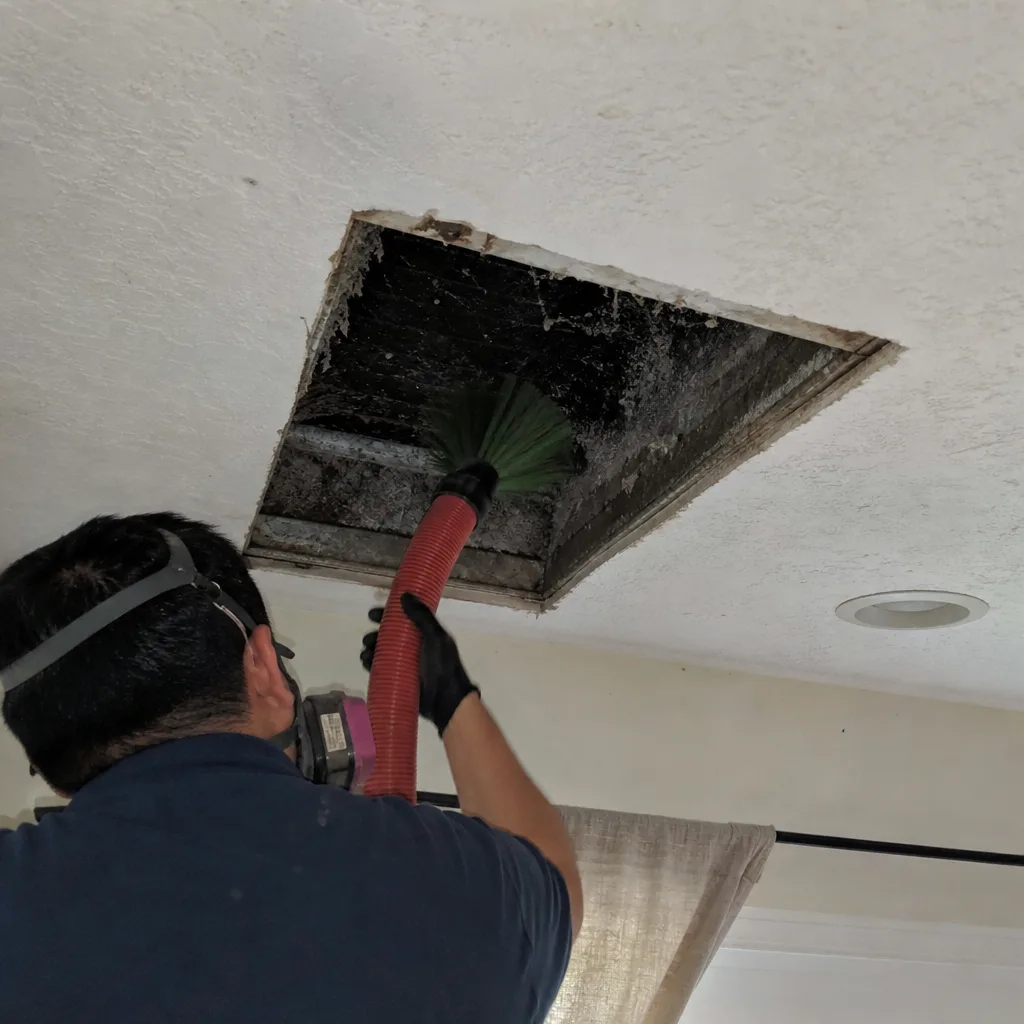 Before
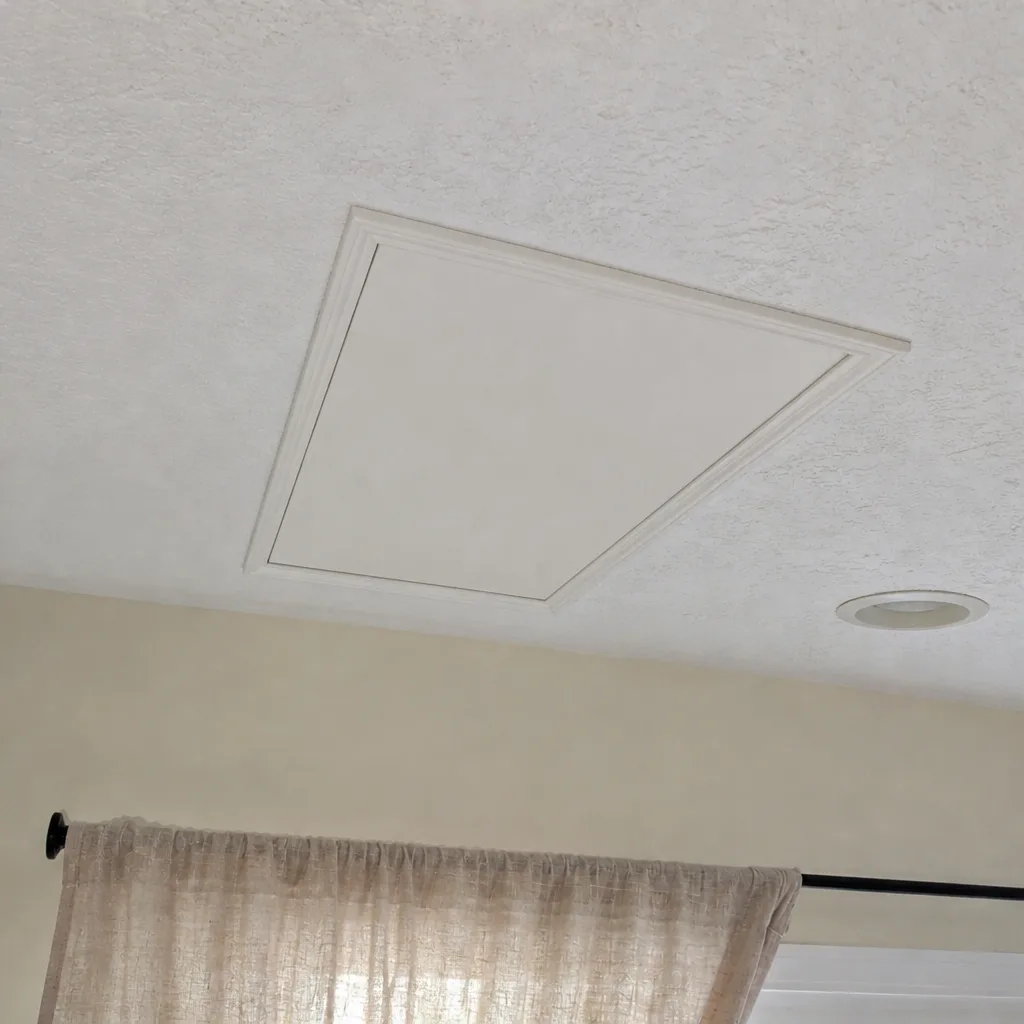 After
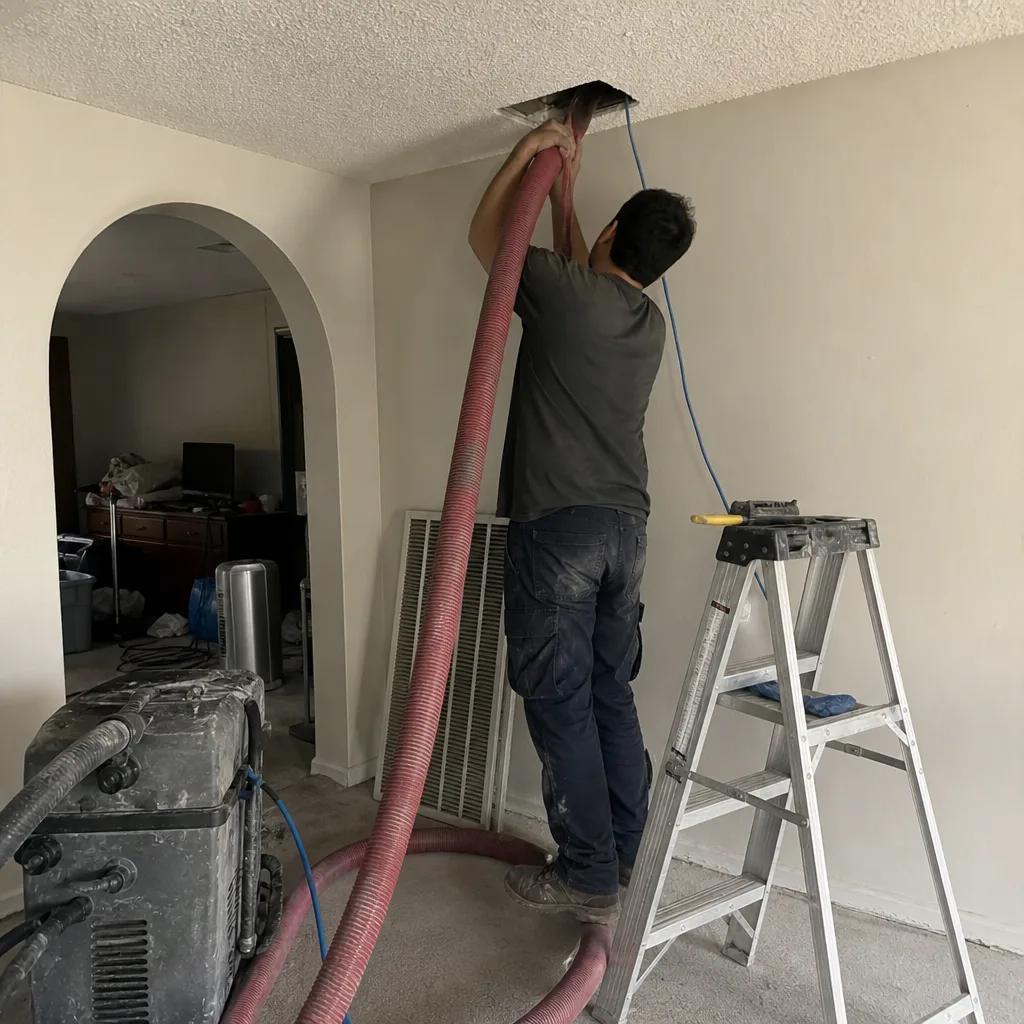 Before
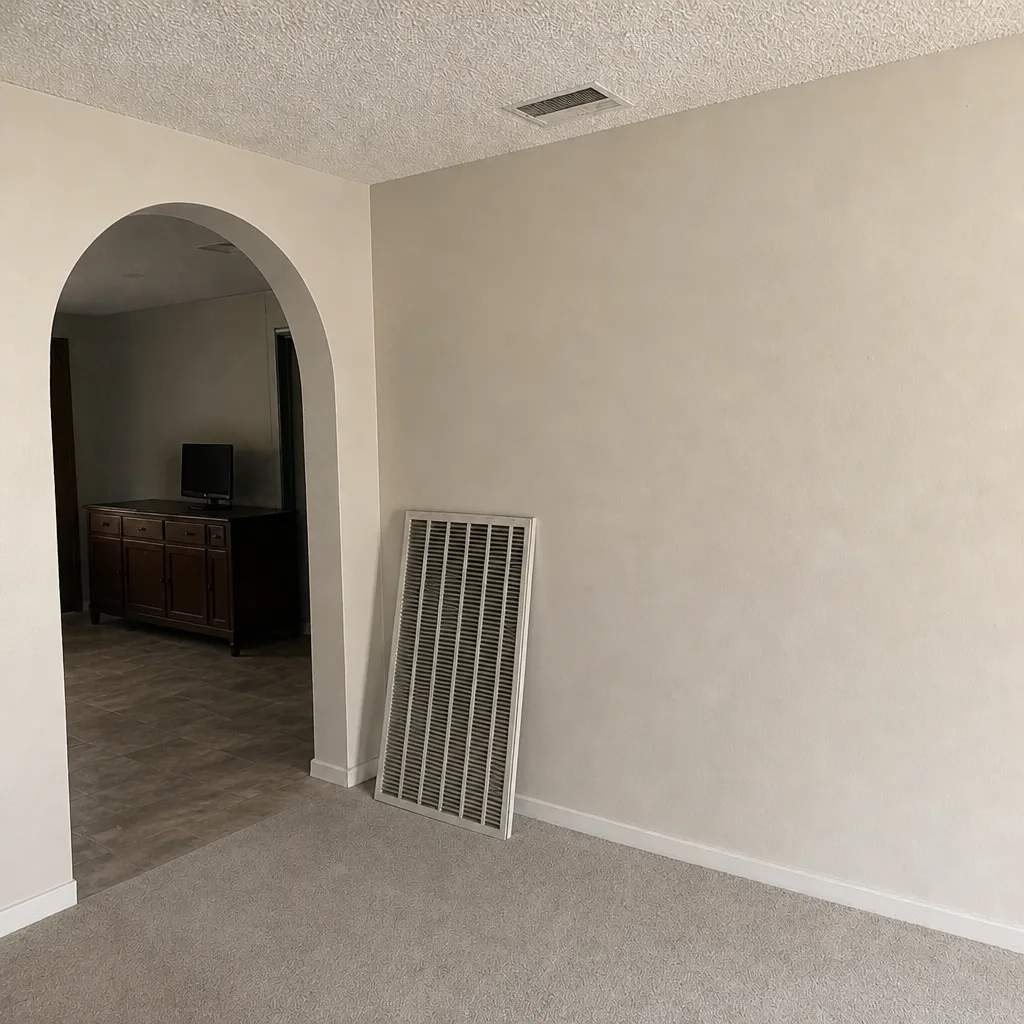 After
When to Call a Professional
Some signs point clearly to a professional visit rather than a wait-and-see approach. Call if you’ve never had your ducts inspected and you’ve lived in the home through at least one full cooling season. Call if registers give weak airflow in specific rooms, if musty odors appear when the system starts, if dust resettles within days of cleaning, or if utility costs climb without a clear reason. Call after any hard freeze if you notice new airflow changes or dust streaks at duct joints. Call if you’ve noticed a filter that loads up far faster than usual, which often signals a leakage or filtration issue.
Air Duct Cleaning Energy Corridor offers free estimates in Energy Corridor. Call (855) 726-7308 to schedule an assessment of your system before the next cooling season starts.
Frequently Asked Questions
Most Energy Corridor homes benefit from a professional cleaning every two to three years, though homes with pets, recent remodeling, or heavy dust often need it closer to every two years. Because the cooling season runs ten to eleven months, the system accumulates more debris than the national three-to-five-year recommendation assumes. Schedule a cleaning in February or early March and let an inspection tell you whether the interval needs to tighten. Call (855) 726-7308 for an exact quote – estimates are free.
February and early March are the highest-value months, because the system is cleaned before it takes on ten months of cooling load. A secondary window in September or October handles the moisture and biofilm that accumulate over the cooling season. Mid-summer is best used for diagnostics rather than full cleanings. Call (855) 726-7308 to check availability before the pre-season window fills.
Low quotes are often a per-vent price that grows once the technician is on site, or a surface pass that misses the coil and plenum entirely. We give one flat price per system, agreed before work starts, with before-and-after photos of your own ducts so you can verify the result. Ask any provider whether their quote includes the coil, the plenum, and source removal from the air handler. Call (855) 726-7308 for a free estimate and a written scope.
Before-and-after photos of your ducts are the simplest verification, and any reputable provider should be willing to supply them. A thorough cleaning also produces visible changes: better airflow at registers, less dust settling afterward, and an inspection report of what was found. Ask for the report and the photos on the day of service. Call (855) 726-7308 to schedule with a team that documents the work.
High humidity keeps surfaces downstream of the coil damp for much of the year, which allows biological film to establish where a drier climate would simply leave dust. That’s why sanitizing is sometimes part of the service here where it wouldn’t be needed elsewhere. Filtration and cleaning work together to limit how much material the moisture has to act on. Call (855) 726-7308 to talk through whether sanitizing is right for your system.
It can help by removing accumulated dust and biological material that otherwise recirculates through the living space. It’s not a cure for allergies, but a system with clean ducts and properly sealed connections moves less debris into the air you breathe. Combining cleaning with filtration that matches your home’s dust load gives the best result. Call (855) 726-7308 for a free estimate before scheduling.
The Bottom Line
Energy Corridor’s climate asks for a maintenance calendar built for a long cooling season and a short, mild heating season, not the standard four-season advice. Clean the ducts in February or early March before the system takes on peak load, use mid-summer for diagnostics rather than full cleanings, and treat October as the moment to deal with moisture and biofilm left behind by the cooling season. Change filters on a one- to three-month interval, check the coil before summer, and keep repair and sealing on the same schedule as cleaning so nothing gets left for later. Dryer vent cleaning that reduces fire risk belongs on the same annual list as well. That single, connected calendar is what keeps a system in this climate running efficiently year after year.
Call (855) 726-7308 for a free estimate. We answer 24/7. Fast dispatch from 7am to 7pm, Sunday through Friday.
Written by the team at Air Duct Cleaning Energy Corridor.