
Last updated November 25, 2026
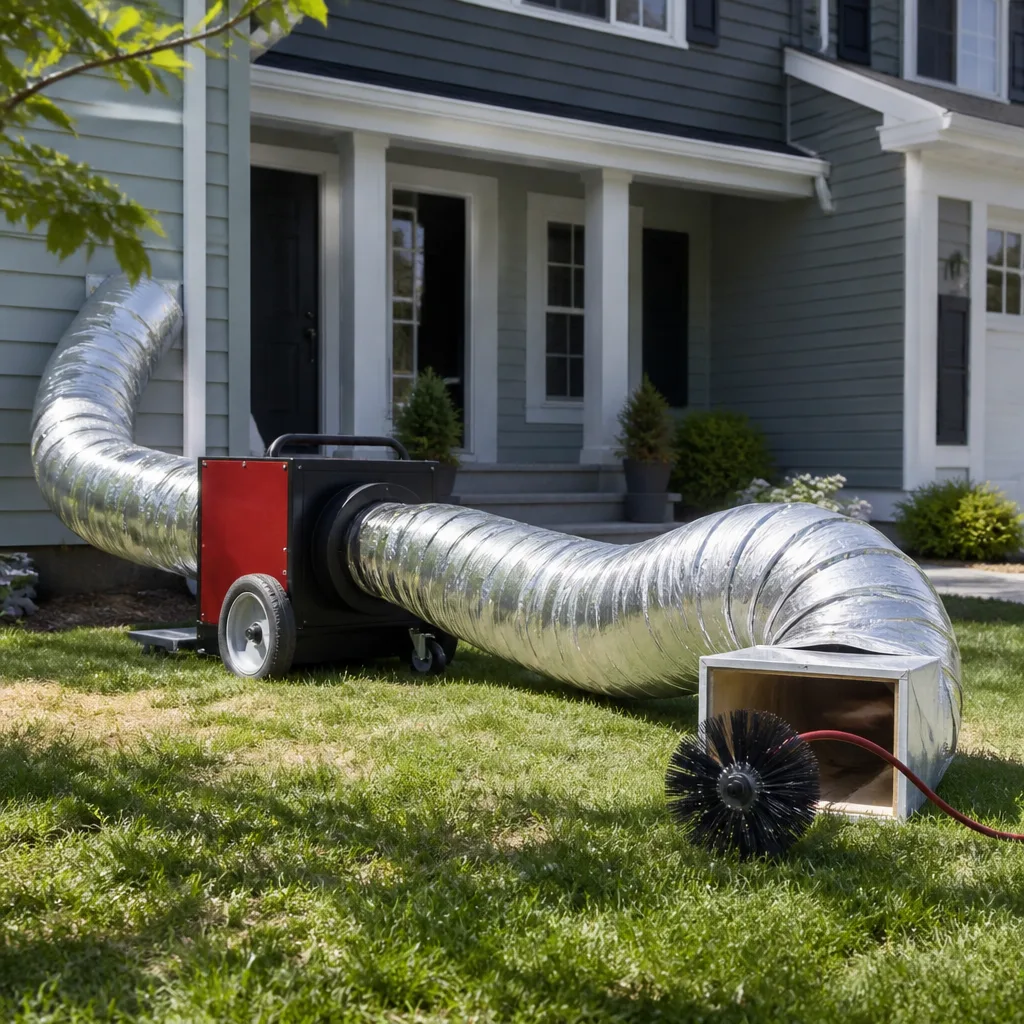 Whole-home duct cleaning
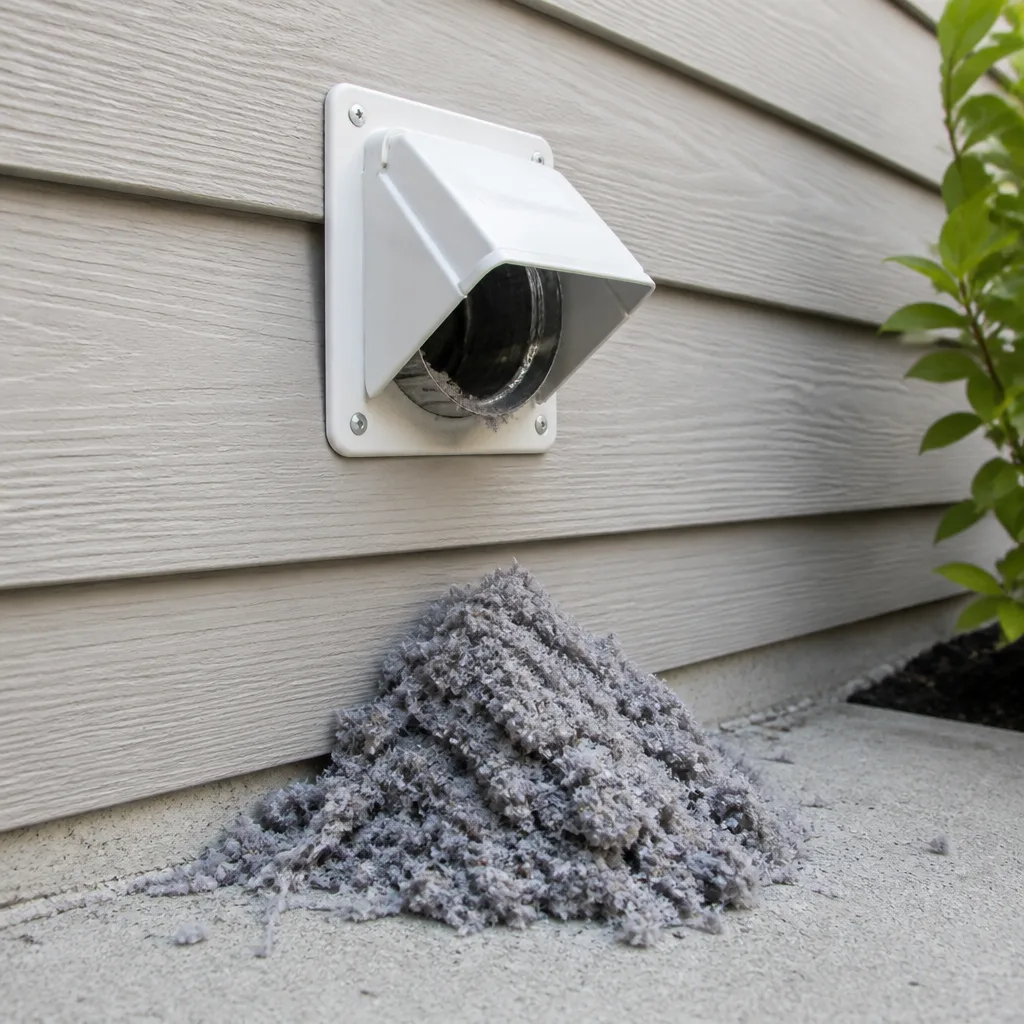 Dryer vent cleaning
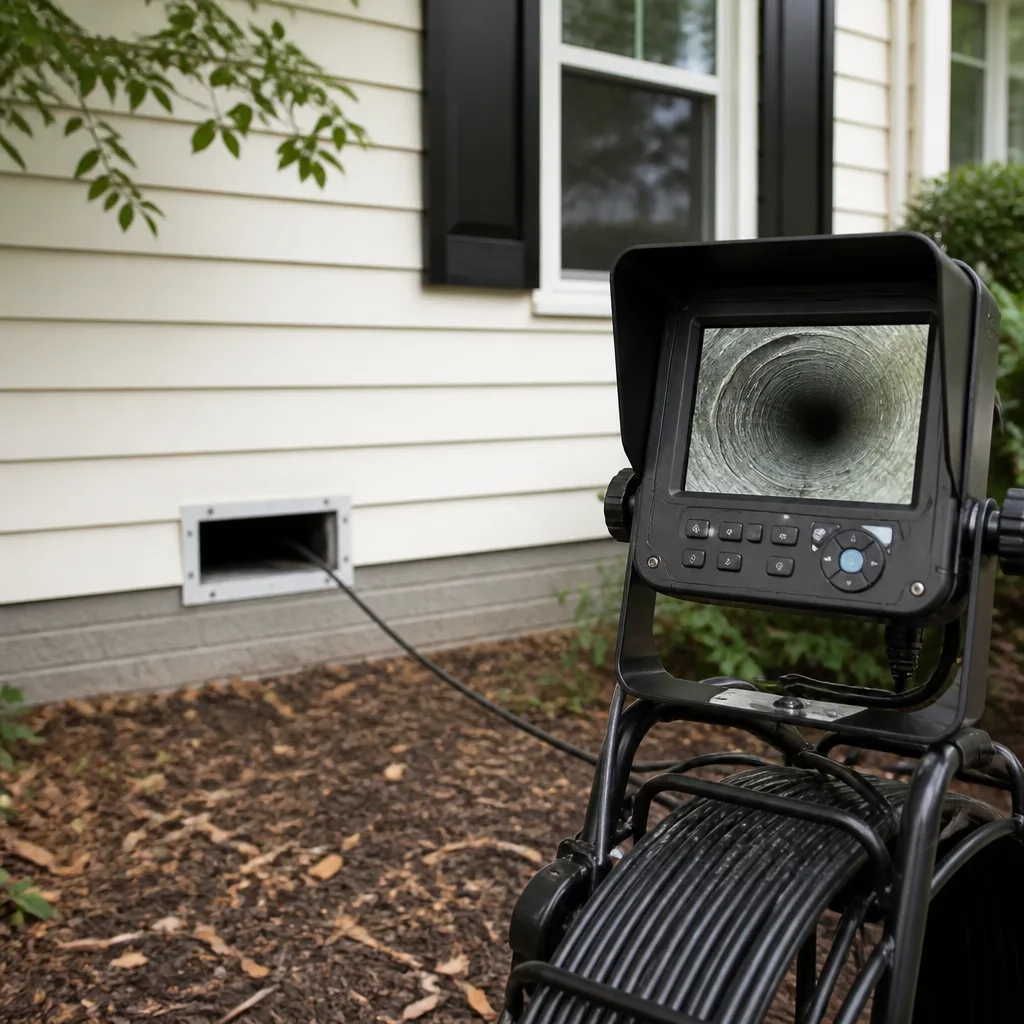 Camera inspection
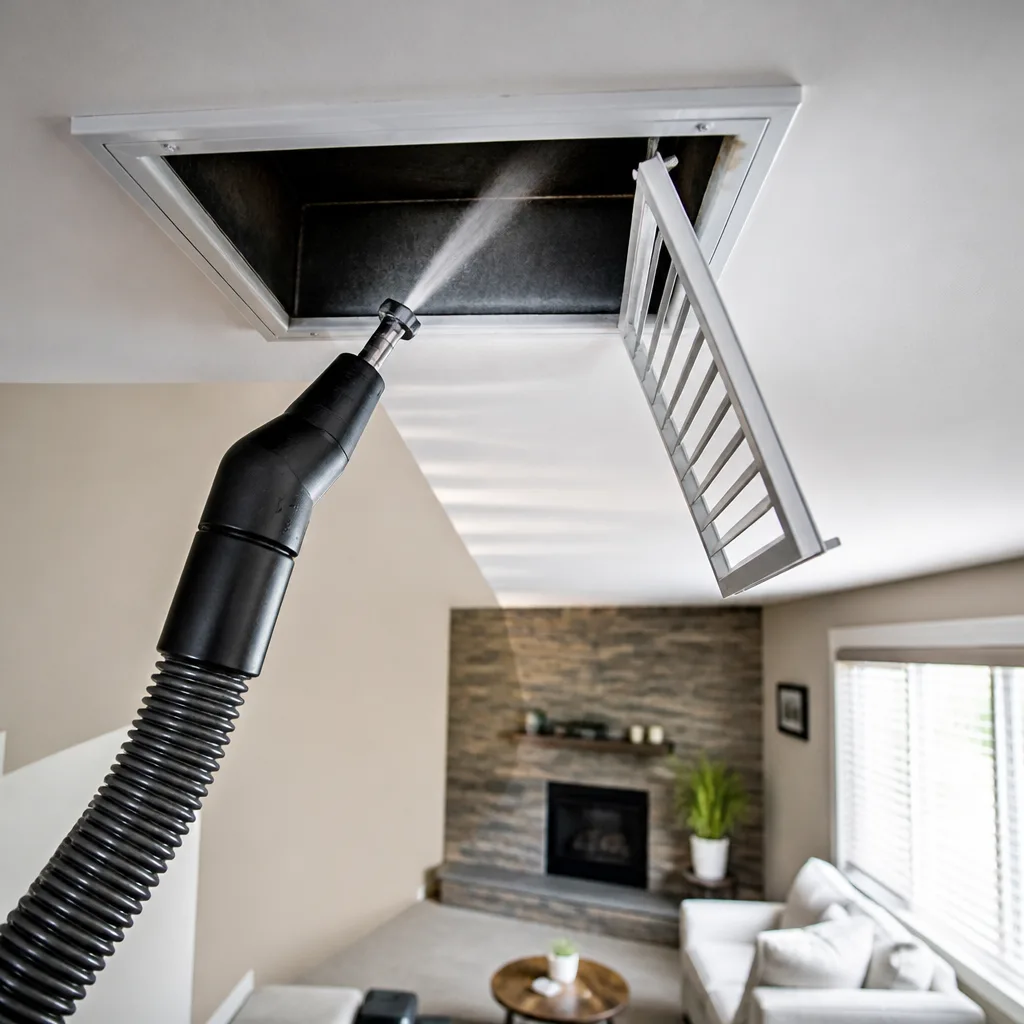 Sanitizing & deodorizing
Whole-system duct and dryer vent check with before-and-after photos - you see exactly what came out of your vents
That "$99 whole-house special" is a bait ad - the real number appears once they are in your hallway, or the "clean" is a shop-vac at the register. We photograph the inside of your ducts before and after instead.
Air Duct Cleaning Emergency Preparedness Guide for Energy Corridor Homes
Most homeowners think about their ducts only when the dust gets visible. The bigger risk is what your ducts carry after a storm, a freeze, or a shelter-in-place order. After Hurricane Harvey, thousands of Houston-area homes ran HVAC systems through duct systems that had been exposed to floodwater intrusion, pushing bacterial and fungal contamination into living spaces for weeks before many homeowners understood what had happened. Your duct system is the one part of the house that can spread a disaster through every room long after the water recedes. This guide covers what to do with your ductwork before, during, and after the emergencies Energy Corridor homes actually face.
Quick Answer
For an Energy Corridor home, duct emergency preparedness comes down to three moves: shut the system down before a storm or industrial release, get the ducts inspected before you run the HVAC again after flooding or a hard freeze, and document everything with photos and a professional report before you file an insurance claim. Ducts that take on water or storm debris should never be run until a technician confirms they’re dry and clean, because a running system turns a contained problem into an airborne one.
Styles & brands we work with
- Whole-home duct cleaning
- Dryer vent cleaning
- Camera inspection
- Sanitizing & deodorizing
Table of Contents
- Pre-Storm Duct Preparation
- Post-Flood Duct Assessment
- Post-Freeze Recovery in the Energy Corridor
- Petrochemical Incident & Shelter-in-Place Protocol
- Documentation for Insurance
- Full-System Thinking: Cleaning, Sealing, Filtration
- Common Mistakes to Avoid
- When to Call a Professional
Pre-Storm Duct Preparation: What to Do Before the Weather Turns
The hours before a named storm are not the time to learn how your air handler is wired. Energy Corridor sits in the direct path of Gulf Coast hurricanes, and the homes here range from 1970s ranch builds off Memorial to newer construction near Terry Hershey Park. The older the home, the more likely you have flex duct running through a hot attic, which is the single most vulnerable part of any duct system in a storm. Flex duct can be crushed by falling limbs, separated at the collar, or soaked when wind-driven rain finds a roof breach.
Here’s the preparation sequence we recommend:
- Shut the system down at the thermostat and the breaker. Turn the thermostat to off first, then flip the air handler breaker in the panel. Running a system while debris is being pulled in is how contamination travels.
- Seal exposed supply and return registers. A layer of painter’s tape across each grille keeps wind-driven dust and water out of the branch runs. It’s temporary and comes off clean.
- Check attic flex duct runs for slack and sag. Trapped or pinched flex duct that’s already stressed will fail first. If you can see separations at the plenum collar, note them for the post-storm inspection.
- Move anything stored on top of duct runs. Boxes pressed against flex duct crush the inner liner and cut airflow permanently.
- Photograph every visible duct run and the air handler. You’ll need those photos for an insurance claim if water gets in.
The habit that matters most: treat duct preparation as part of your hurricane checklist, not an afterthought. Sealing registers takes ten minutes and prevents hours of cleanup later. For homes that have never had the system inspected, a pre-season air duct cleaning also gives you a baseline for what “normal” looks like in your specific ductwork. If your ducts have never been mapped, that first inspection is the best defense you have.
Post-Flood Duct Assessment: Why You Don’t Run the System First
This is the most important rule in this guide: if floodwater came anywhere near your ductwork, do not run the HVAC system until an inspection confirms the ducts are dry and clear. It is not a comfort decision. Running the system pulls moisture and whatever the water carried into every room of the house, and it does so quietly, through registers you don’t think about.
How do you know whether water reached the ducts? In Energy Corridor homes, duct systems can take on water in three ways:
- Rising water at the air handler. If the unit or the plenum was submerged, the ducts connected to it are compromised, period.
- Attic water intrusion. Wind-driven rain through a compromised roof deck soaks flex duct that runs through the attic, even when the living space stays dry.
- Humidity loading. Days of power outage with high indoor humidity can condense inside metal duct in a sealed house. That’s not flooding, but it’s still a moisture problem.
When you’re assessing, use your eyes and your nose, not a running system. Look for water staining on the duct board near the air handler, evidence of standing water in the return plenum, and sagging flex duct where water collected. Then smell the return grille. A musty or sharp odor at the return is a sign you need a professional inspection. Some of what you’ll find is visible. Contamination inside the duct runs is not, and that’s a job for professional equipment. The systems our technicians use, including Rotobrush and Nikro, are built to reach and remove what hand tools miss.
Post-Freeze Recovery: What to Check Before You Restore HVAC Operation
Winters here are mild, but that’s exactly what makes a hard freeze so damaging in the Energy Corridor. Pipes that aren’t built for sustained cold will burst, and when a pipe lets go in an attic or a wall cavity, the pressure and water can distort duct runs and soak insulation around them. The recovery order matters as much as the storm prep.
Here’s the sequence we recommend after a freeze event:
- Leave the HVAC off until you’ve checked for water. Same rule as flooding: no running system over a wet duct.
- Inspect the attic for burst pipe water. Look for water staining on the deck sheathing, wet insulation, and flex duct that’s collapsing under water weight.
- Check the air handler cabinet for water evidence. A cabinet that took on water needs to be opened and inspected, not run.
- Look at the duct connections at the plenum. Pressure from a burst pipe can pull duct runs apart at the collar. A gap that small is a big air leak.
- Schedule a professional inspection before you restore power to the system. This is where a full-system look pays for itself.
What to look for is not the same as what to fix. Duct runs that have separated, collapsed, or soaked through need repair and resealing before you can trust the system again. In our experience, freeze incidents in Energy Corridor homes often reveal duct damage that was already there, hidden behind the storm. A HVAC cleaning after a freeze recovery clears the debris and gives you a clean starting point.
Petrochemical Incident & Shelter-in-Place Protocol
Energy Corridor’s location near major petrochemical infrastructure creates a specific safety scenario most homeowners have no plan for. When a shelter-in-place order is issued for a nearby industrial release, your HVAC system can push outside air and contaminants into the house, or it can protect the interior, depending on how you run it.
Here’s the protocol:
- Turn the system off during the order. During a shelter-in-place, shut the HVAC down entirely. Running the system during a release can draw contaminated air into the home.
- Seal windows and exterior doors as directed by officials. Duct registers don’t need taping during the event if the system is off.
- Wait for official all-clear before restoring operation.
- Purge the system afterward. Once the release is cleared, the system may have drawn in airborne contamination during the event. A professional purge and cleaning of the duct runs and air handler cabinet is the right next step.
- Consider filtration upgrades for the long run. Homes in this area benefit from better filtration, and we work with Honeywell and Aprilaire filtration solutions that address system-wide indoor air health.
After an industrial release, the work that matters is the full-system clean and then the sanitizing pass. That’s where a product like Abatement Technologies or Guardsman comes in, used by a trained technician to treat the biological contaminants that dust removal alone leaves behind. Cleaning without sanitizing treats half the problem.
Documentation for Insurance: What You Need to File a Successful Claim
An insurance claim for duct system damage stands or falls on the documentation you gathered before you cleaned anything up. Photos of a clean duct prove your system is in good shape today. Photos of the damage prove what happened.
What to capture and keep, from the moment you notice the problem:
- Photo of the whole system before cleanup. The air handler, the plenum, and every visible run in the attic.
- Close-ups of water staining, separated collars, and collapsed flex duct. Note the date and time on each photo.
- A written timeline. When the storm hit, when power returned, when you noticed the problem.
- Your HVAC service records. Recent maintenance records show the system was in working order before the event.
- A professional inspection report. This is the piece most homeowners miss, and it’s the one that carries the claim.
- Air quality readings, if the adjuster requests them. Professional equipment can document what a homeowner can’t.
Get the inspection report before you authorize cleanup. A documented professional inspection shows the adjuster the condition of the duct system and what caused the damage. That report, paired with your photos, gives you a paper trail instead of a dispute.
Full-System Thinking: Cleaning, Sealing, and Filtration Together
The homes that weather emergencies best are the ones with duct systems that are already sound. A duct run with a gap at the collar doesn’t just leak air. It gives water an entry point, gives storm debris a path in, and gets worse with every event. That’s why the work has to be full-system, not just a sweep of the duct runs.
Five services make up the full chain, and they depend on each other:
- Air duct cleaning clears the debris. Without it, everything downstream is compromised.
- HVAC cleaning takes the equipment itself off the contamination list, including the air handler and coil.
- Air quality and sanitizing treats what cleaning alone doesn’t reach, using professional-grade products for contamination control.
- Duct repair and sealing addresses the root cause. Gaps and separations that were already there get fixed before the next storm finds them.
- Dryer vent cleaning reduces fire risk, which matters even more when you’ve got a house under storm stress and a dryer running for cleanup loads.
That’s five services under one roof, and it’s why we keep our scope there. It also means the filtration piece, from brands like Honeywell and Aprilaire, can be installed and checked against the same system we just cleaned. We clean the system, then make sure it stays clean. Professional equipment means something only if the operator can also repair the source of a problem, and that’s the work we do. If you’ve had a dryer vent catch lint from storm cleanup laundry, dryer vent cleaning is a separate call and a separate risk.
Common Mistakes to Avoid
- Running the HVAC after flooding before an inspection. This is the one that turns a repairable problem into a whole-house contamination event. The system off is the default; run it only after a professional confirms it’s safe.
- Assuming the ducts stayed dry because the living room did. Attic flex duct can take on wind-driven water while the interior of the house looks fine. Check the attic before you conclude the system is safe.
- Cleaning up before you document. Photos and a written timeline are the whole claim. Once the cleanup crew finishes, your evidence of what happened is gone.
- Trusting a box-store vacuum on contaminated ductwork. A consumer vacuum agitates the ducts and releases contamination back into the air. Professional equipment is different for good reason.
- Skipping the sanitizing step after a biological event. Dust removal does not remove the biological contamination that floodwater and humidity leave behind. That calls for a sanitizing pass with the right products.
- Ignoring duct separations because the system still “works”. A gap at the plenum is a storm vulnerability you can’t see from the living room. Fix it before the next event, not after.
- Hiring a cleaning-only crew for a repair problem. Cleaning a duct system with a separation at the collar is half the job. The duct repair and sealing has to happen too.
When to Call a Professional
Call a professional before running your HVAC again if floodwater, wind-driven rain, or a burst pipe touched any part of the duct system. Call if you can smell a musty or sharp odor at a return grille and can’t find the source. Call after a shelter-in-place order if the system ran during the event and you want the interior purged. Call before you file an insurance claim, because the inspection report is what makes the claim hold up. And call if the ducts have never been inspected, since a pre-emergency baseline is worth more than any cleanup afterward. Air Duct Cleaning Energy Corridor offers free estimates in Energy Corridor. Call (855) 726-7308. We answer 24/7. Fast dispatch from 7am to 7pm, Sunday through Friday. Our technicians have up to 15 years of experience, and we bring the professional equipment the situation calls for.
See the difference
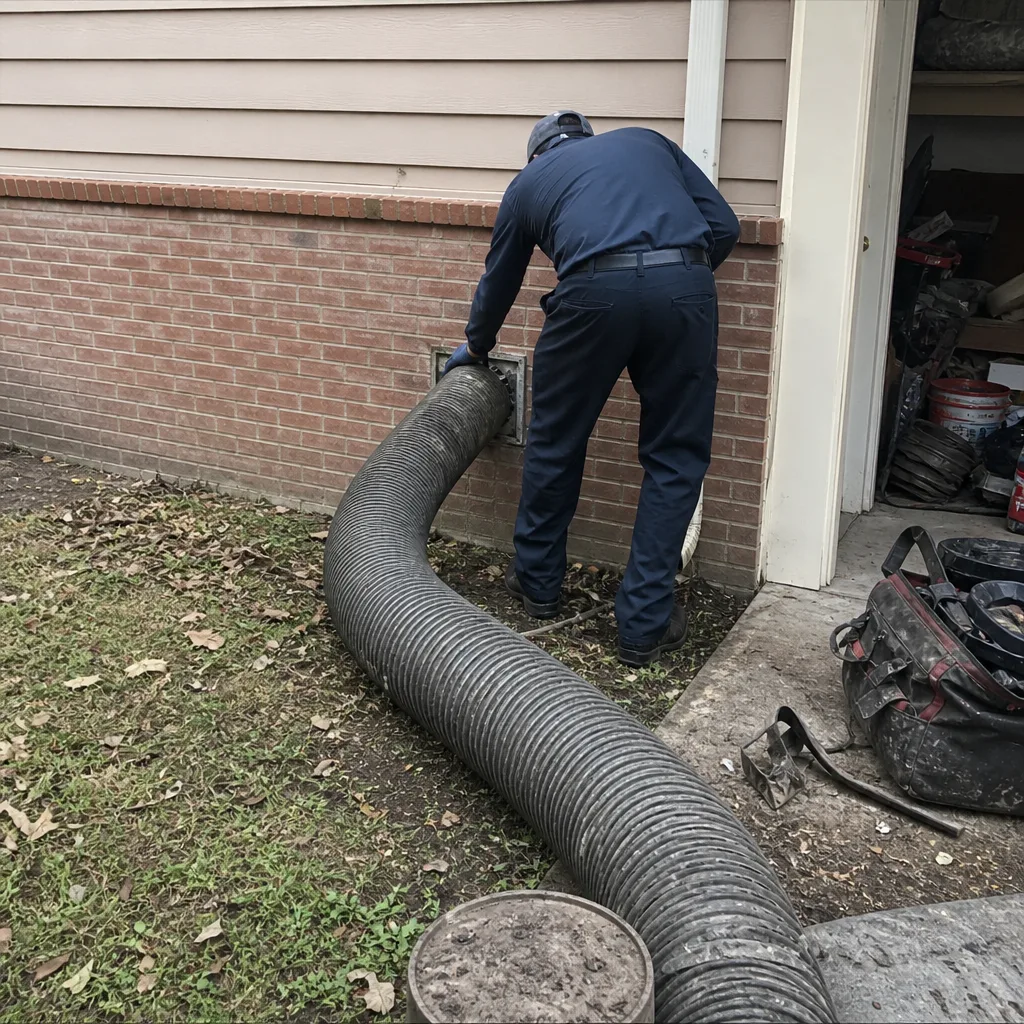 Before
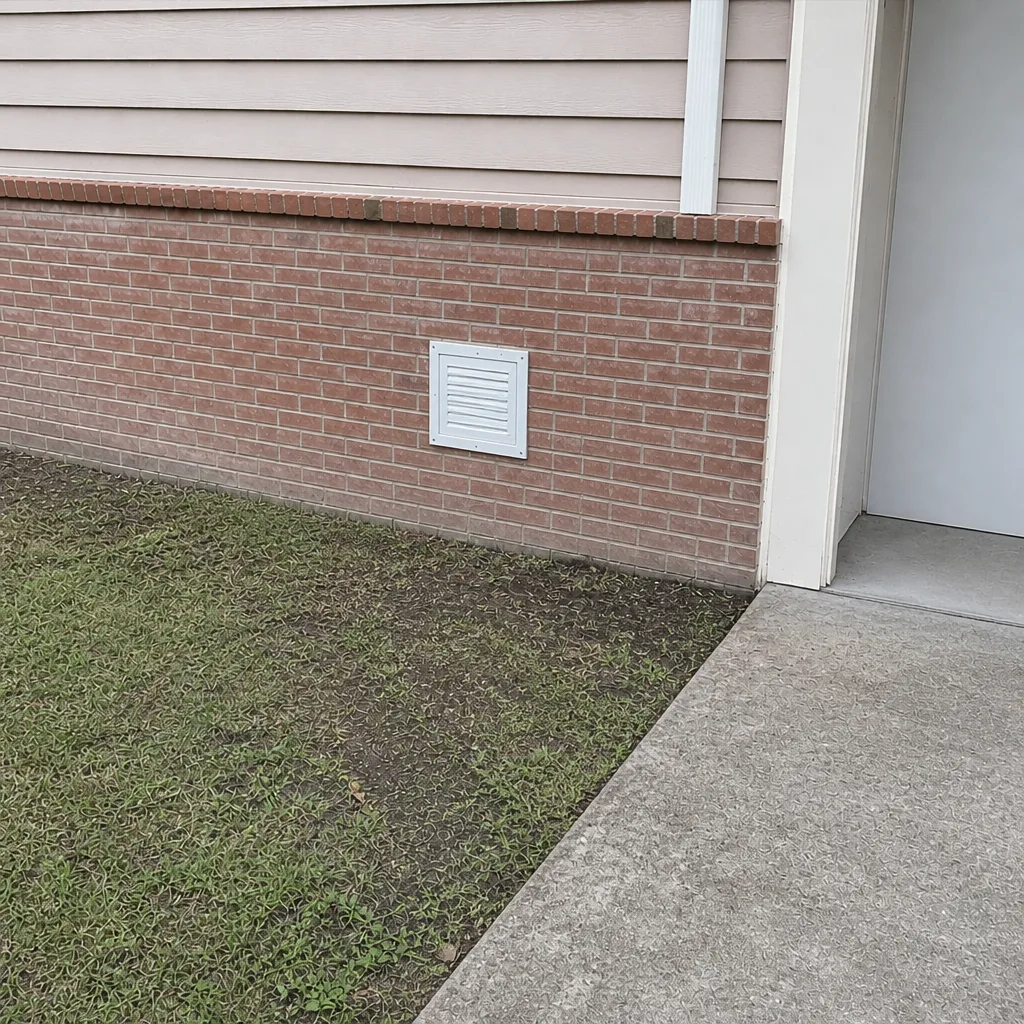 After
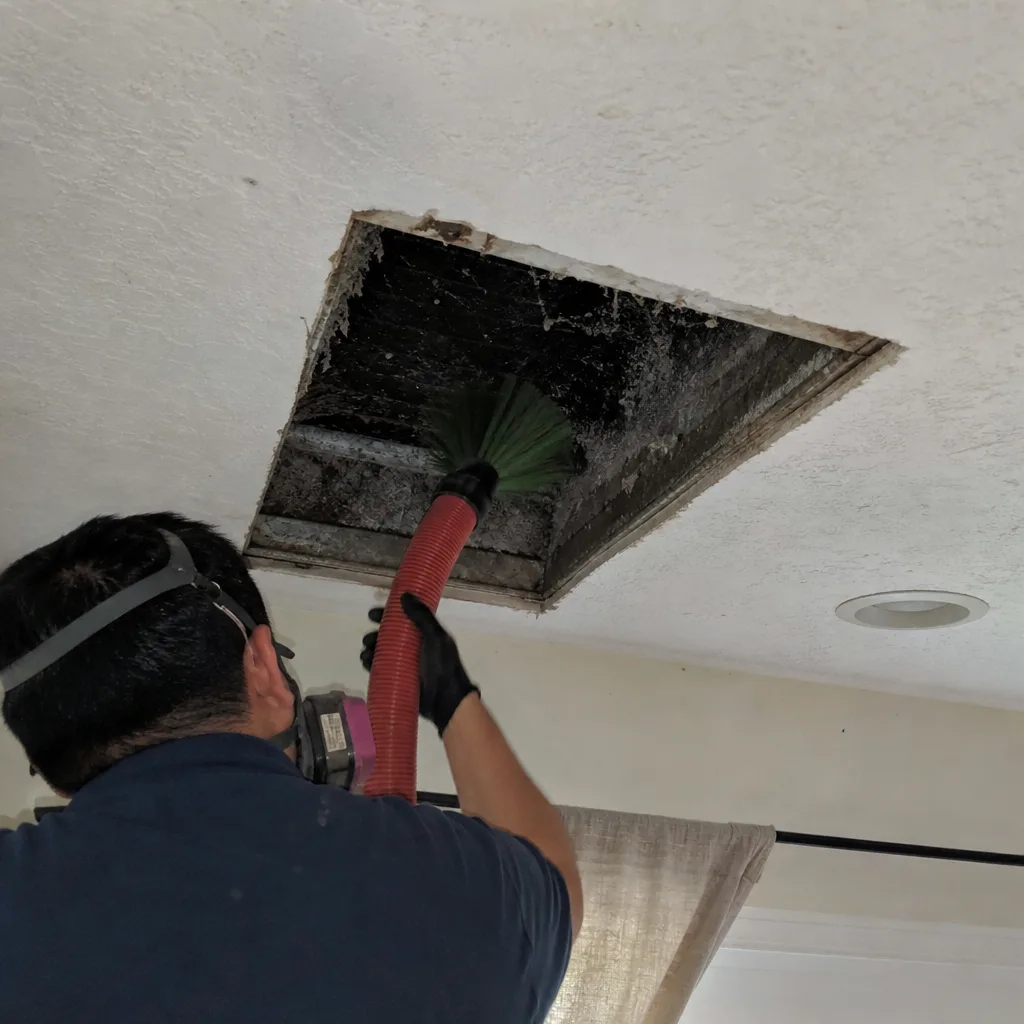 Before
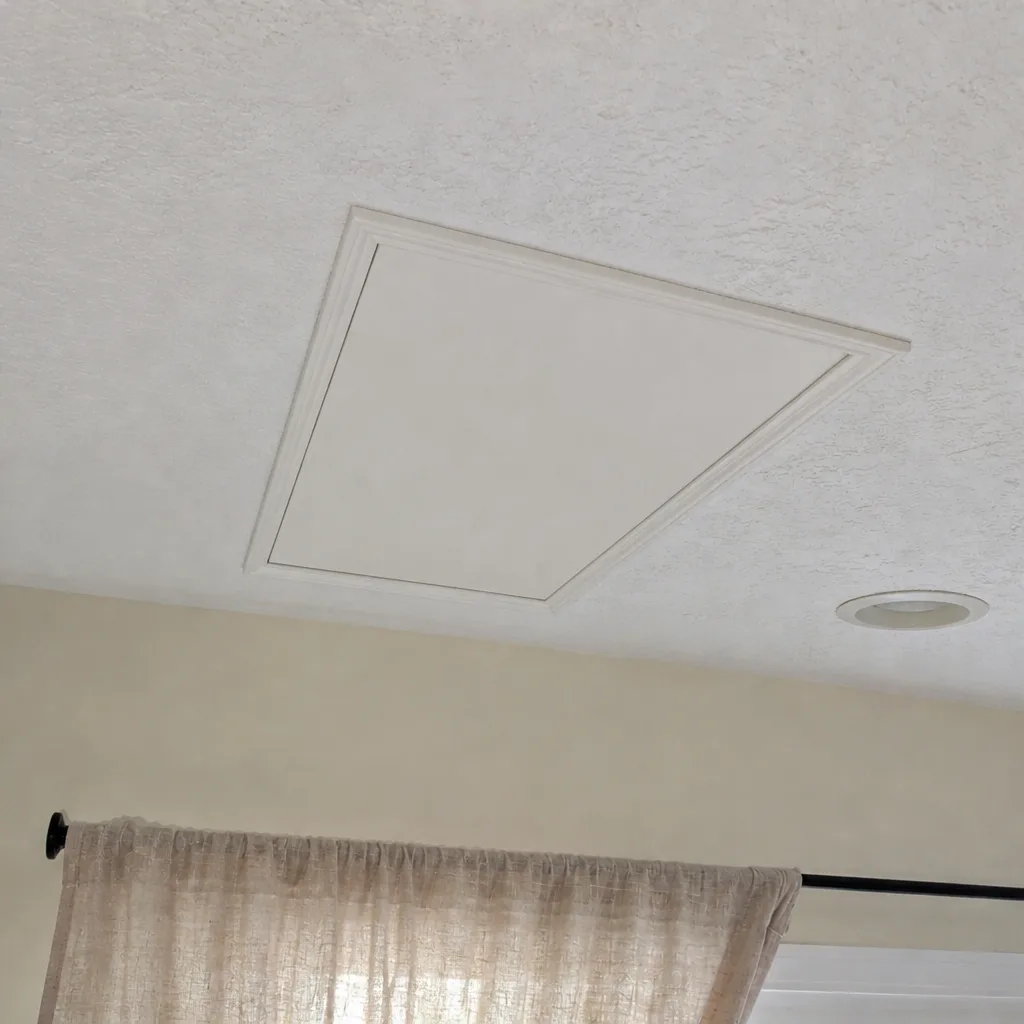 After
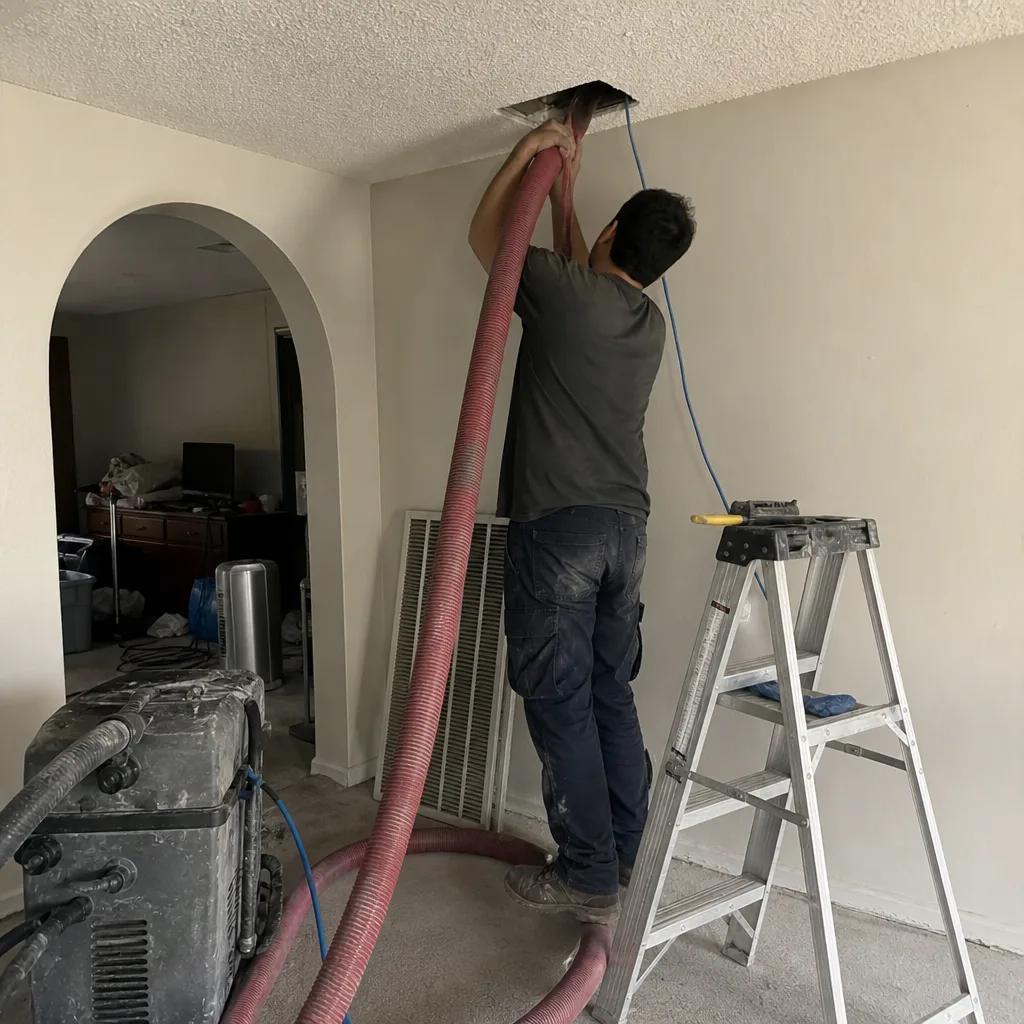 Before
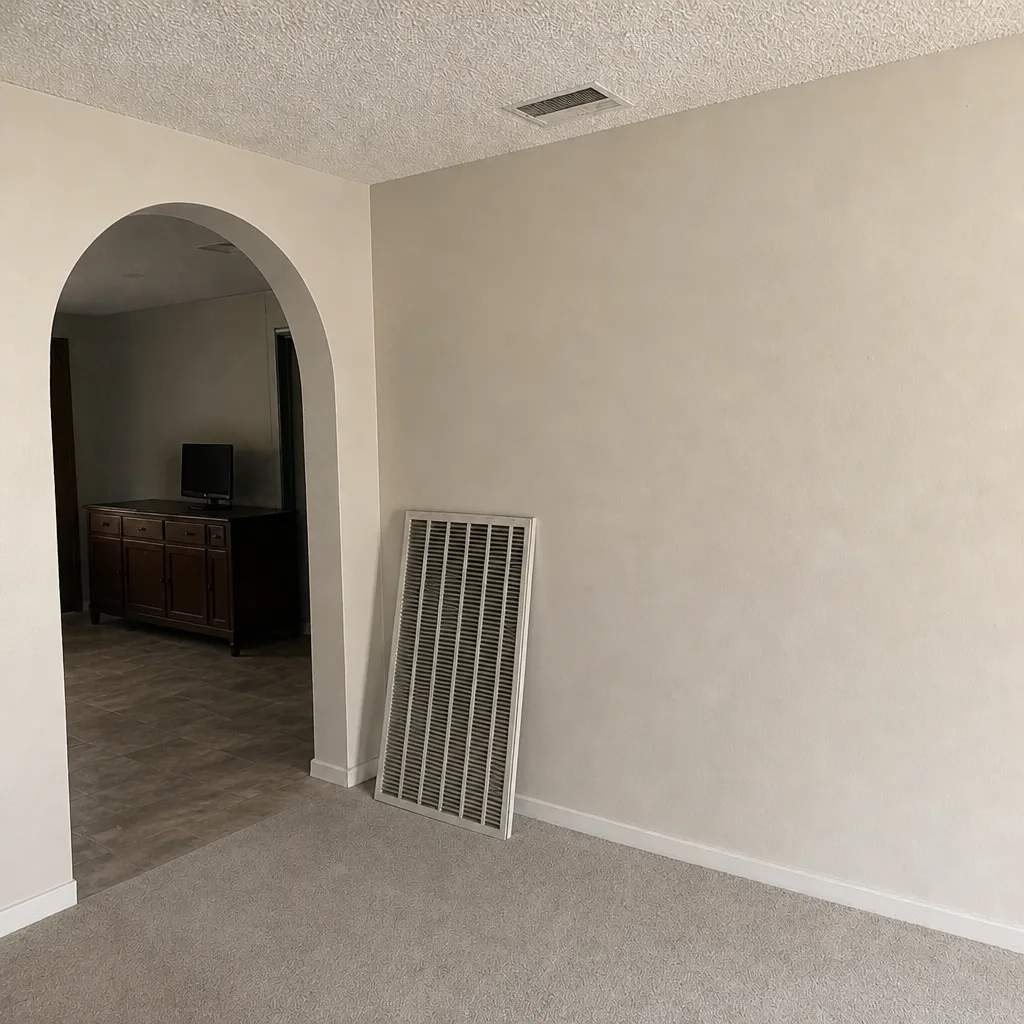 After
Frequently Asked Questions
Not without an inspection. Water can reach your ducts through the attic or through condensation even when the air handler stayed dry, and running the system then spreads moisture and contamination through the whole house. Get a professional inspection that covers the entire duct run, not just the unit, before you turn the system back on. Call (855) 726-7308 for an exact quote; estimates are free.
Look for water staining in the attic, wet insulation, collapsed or sagging flex duct, and ducts pulled apart at the plenum collar. A burst pipe can damage duct runs without any water reaching the living space. If you find any of these signs, schedule an inspection before restoring power to the system. Call (855) 726-7308. We answer 24/7. Fast dispatch from 7am to 7pm, Sunday through Friday.
Turn the system off entirely during the order. Running the HVAC during a nearby release can draw outside air into the home, which is the opposite of what you want. Once officials clear the area, have the duct system purged and cleaned by a professional, then sanitized if the situation calls for it. Call (855) 726-7308 to book the post-event cleaning.
You need photos of the whole system before any cleanup, close-ups of the damage with dates, a written timeline of the event, your HVAC service records, and a professional inspection report. The inspection report is the piece most homeowners skip and the one adjusters rely on most. Get the report before you authorize any cleanup work. Call (855) 726-7308 for a free estimate on the inspection.
The price depends on how many duct runs were affected and whether repair and sealing is needed alongside cleaning. We don’t price per vent and we don’t quote from a coupon. You get one flat price per system, agreed in writing before work starts, with before-and-after photos of your own ducts. Call (855) 726-7308 for an exact quote; estimates are free.
Cleaning alone isn’t enough after floodwater exposure. Floodwater introduces biological contamination that dust removal doesn’t remove, which is why the full sequence is clean, then sanitize with professional products. Skipping the sanitizing step leaves behind exactly what you’re trying to get rid of. Call (855) 726-7308 to book the full treatment.
The Bottom Line
Emergency duct preparedness for an Energy Corridor home rests on a few clear rules. Shut the system down before storms and during shelter-in-place orders. Don’t run the HVAC after flooding or a hard freeze until a professional confirms the ducts are dry and clean. Document everything before you clean anything, and get the inspection report in hand before you file the claim. Then address the root cause with duct repair and sealing, so the next event finds a sound system instead of a vulnerable one. The work you do before the emergency is what saves you afterward.
Call (855) 726-7308 for a free estimate. We answer 24/7. Fast dispatch from 7am to 7pm, Sunday through Friday.
Written by the team at Air Duct Cleaning Energy Corridor.