
Last updated November 25, 2026
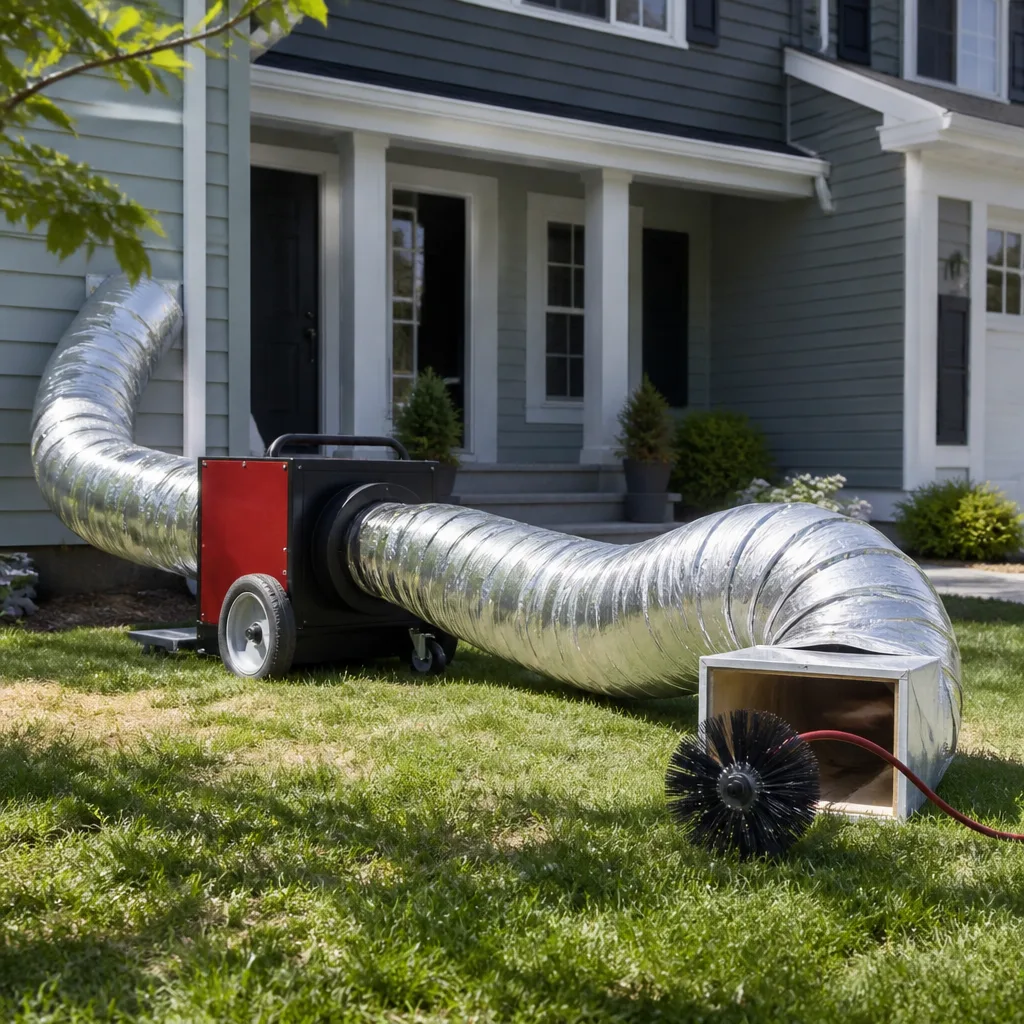 Whole-home duct cleaning
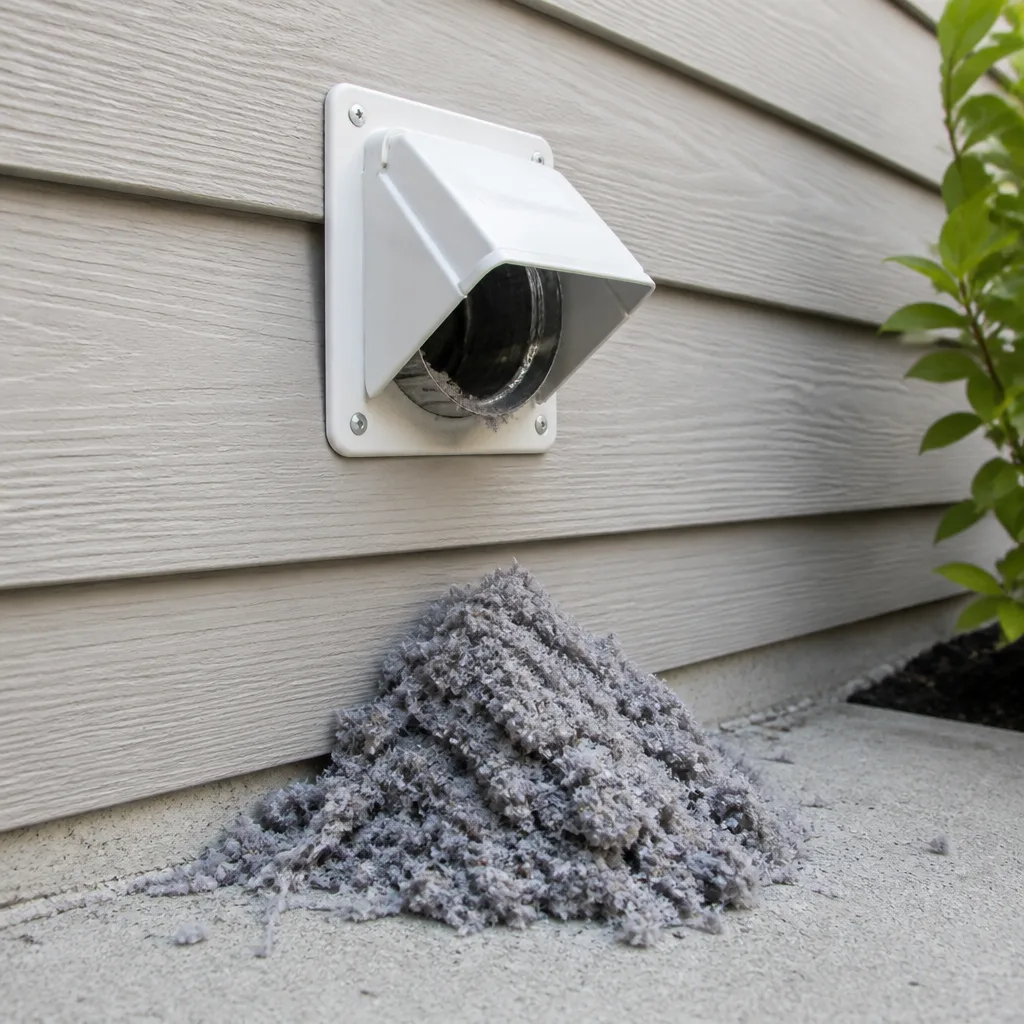 Dryer vent cleaning
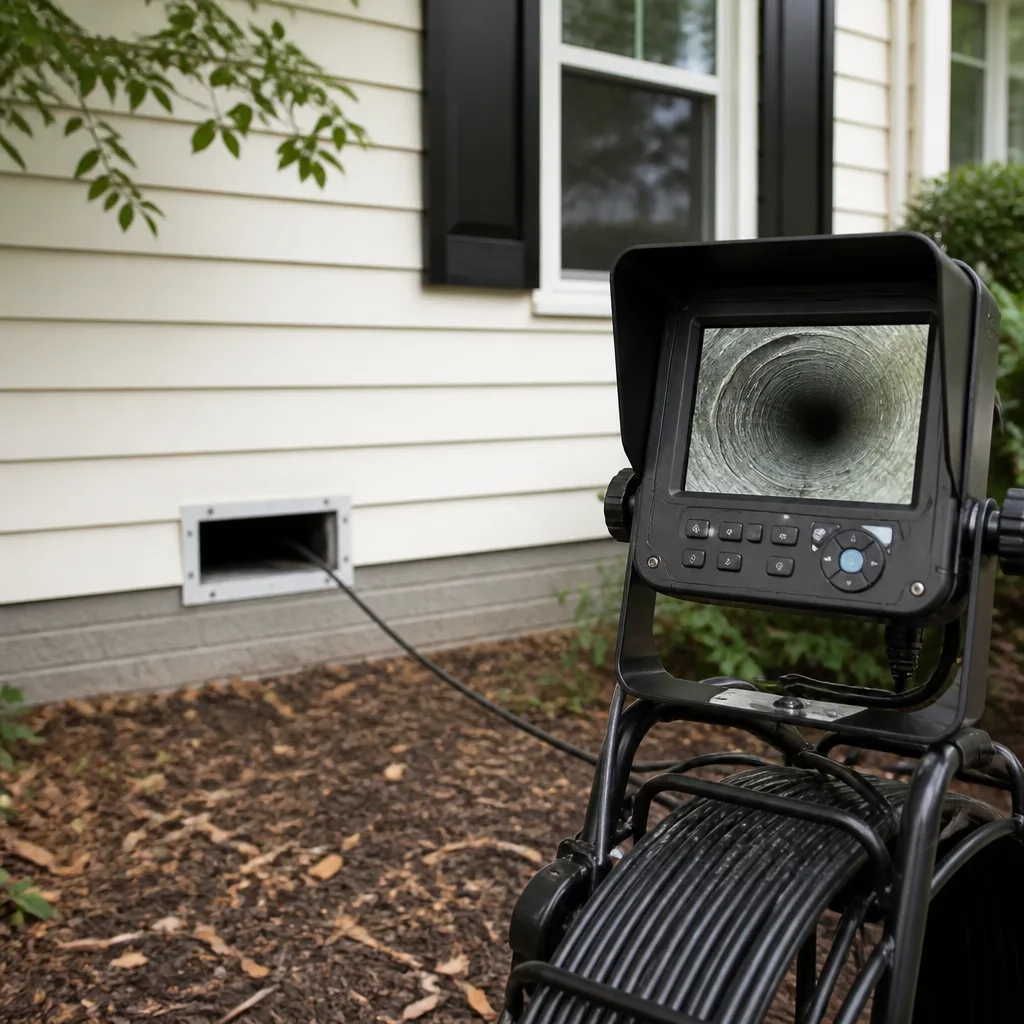 Camera inspection
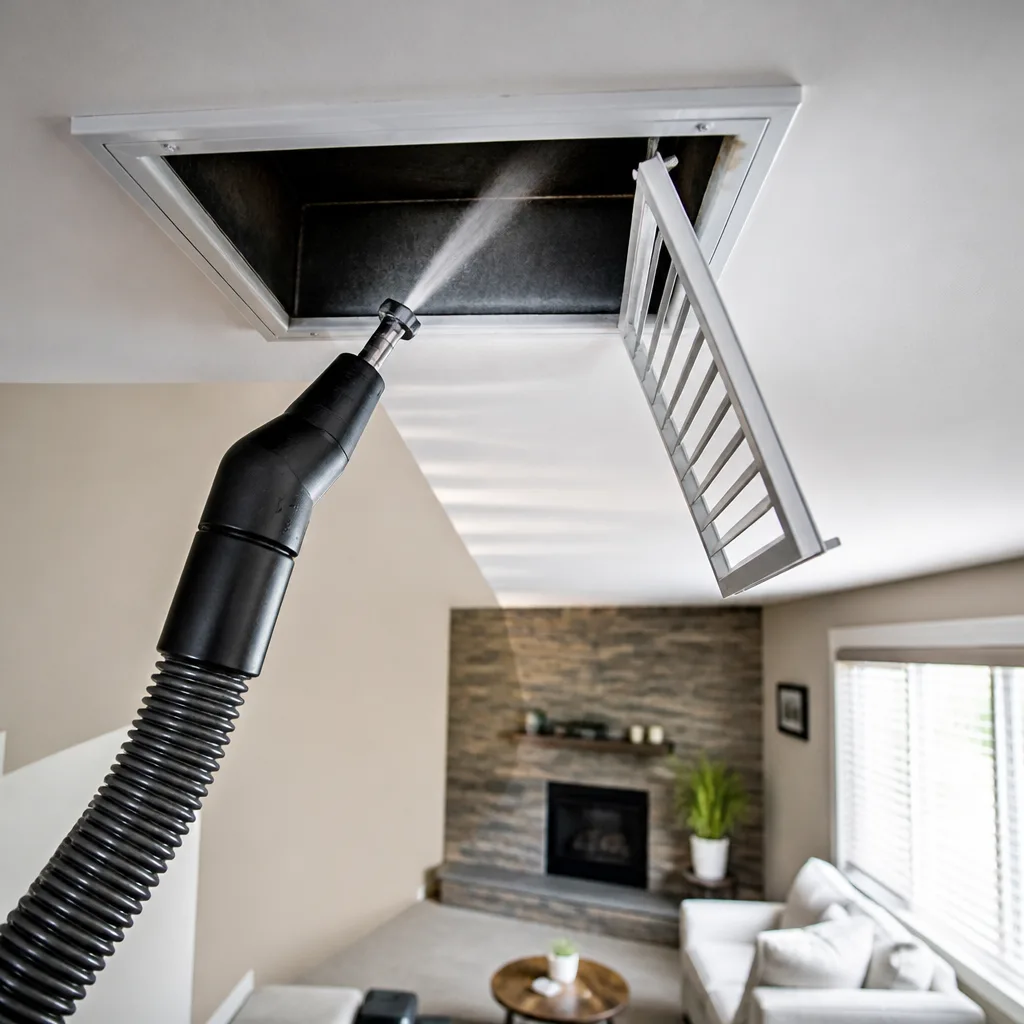 Sanitizing & deodorizing
Whole-system duct and dryer vent check with before-and-after photos - you see exactly what came out of your vents
That "$99 whole-house special" is a bait ad - the real number appears once they are in your hallway, or the "clean" is a shop-vac at the register. We photograph the inside of your ducts before and after instead.
Air Duct Cleaning Maintenance Checklist for Energy Corridor Homeowners
Most homeowners treat duct cleaning as a one-time event: schedule it, forget it, repeat in a few years. That’s the misconception worth correcting right away. Your duct system is working every hour your HVAC runs, and here in the Energy Corridor, that’s most of the year. Cold air in summer, warm air in the mild winter months, fan cycling on and off through hundreds of operating hours a month. What happens between professional cleanings matters as much as the cleaning itself. This guide gives you a checklist you can actually run yourself: monthly visual checks, seasonal markers tied to Houston’s weather, a simple performance log, and clear thresholds for when to stop monitoring and call someone.
Quick Answer
A workable air duct maintenance checklist for an Energy Corridor home has four layers: a monthly five-minute visual inspection of registers and filters, quarterly seasonal checks tied to Houston’s humidity and storm cycles, a running log of utility bills and room-to-room temperature gaps, and a professional inspection and cleaning every few years depending on what the checks reveal. The goal isn’t to clean your own ducts. It’s to catch the conditions that signal your system is losing efficiency or gathering contamination before either one shows up on a bill.
Styles & brands we work with
- Whole-home duct cleaning
- Dryer vent cleaning
- Camera inspection
- Sanitizing & deodorizing
Table of Contents
- Monthly Checks You Can Do in Five Minutes
- Quarterly Markers for Energy Corridor Seasons
- Building a System Performance Log
- The Filter Strategy That Fits the Checklist
- What to Check After a Freeze or Flood
- Why Cleaning Alone Misses Half the Problem
- When a Checklist Item Crosses Into “Call Now”
- Common Mistakes to Avoid
Monthly Checks You Can Do in Five Minutes
The monthly layer of this checklist is entirely visual. You don’t need tools beyond a flashlight and a notepad, and you don’t need to touch anything inside the ductwork. What you’re doing is establishing a baseline for your own house so that changes become obvious.
Register airflow. Walk the house and hold your hand a few inches from every supply register while the system runs. You’re not measuring CFM. You’re learning what normal feels like at each vent. A register that suddenly feels weak compared to last month is data. So is one that’s noticeably stronger after you’ve sealed a leaky window.
Visible dust rings. Look at the ceiling and wall around each register. A faint halo of dust is normal. A dark ring that’s grown since last month signals air escaping around a poorly seated boot or grille, pulling dust out of the attic or wall cavity and depositing it at the edge. That’s a sealing issue, not a cleaning issue.
Filter loading rate. Pull the filter and look at it against a light. The useful question isn’t whether it’s dirty but how fast it dirtied. A filter that used to last three months and now looks loaded in four weeks is telling you something changed inside the system.
Here’s the monthly routine as a numbered list:
- Run the fan and feel airflow at every register. Note any that feel weaker than last month.
- Look at the ceiling and wall around each grille for dust rings or dark trails.
- Check the return grille for visible debris and lint buildup.
- Pull the filter and compare its loading against when you installed it.
- Listen at the air handler for new rattles, whistles or a harder-working fan.
- Jot the date and anything unusual in your log. Two minutes of writing, or a note in your phone.
Five minutes once a month in an Energy Corridor home builds a record that makes the professional visit far more productive. When we ask what changed and when, you’ll have an answer instead of a shrug.
Quarterly Markers for Energy Corridor Seasons
Houston’s climate doesn’t divide into four clean seasons, and your duct maintenance shouldn’t pretend it does. The Energy Corridor runs long cooling seasons, a short mild winter, and a spring that brings humidity and pollen in volume. Each of those transitions puts different pressure on the system, and each has its own check.
Spring: mold season and pollen load
When the humidity climbs and the AC starts running hard, moisture is the thing to watch. Look for condensation on supply registers, a damp smell near the air handler, or any visible dark spotting around the indoor coil cabinet. Musty odors that appear in spring and fade in the drier months point to biological growth somewhere in the system, often on the coil or in the plenum. A proper air duct cleaning visit combined with sanitizing treatment addresses that; wiping the registers won’t. This is also when pollen and fine dust get pulled in at high volume, so watch how quickly filters load.
Summer: peak runtime
This is when your energy bill is doing the most talking. Note the highest bill of the season and compare it to last summer. Duct leaks and contamination both show up here as extra runtime. If the system seems to run longer for the same comfort, you have a lead worth chasing.
Fall: startup check
The first time you switch to heat, walk the registers again. Warm-air airflow that feels uneven, or a burning-dust smell that lingers more than a day, points to debris sitting on the heat exchanger or in the supply trunk. A brief dust smell at first startup is normal; a persistent one is not.
Winter: the short mild season
Our winters are mild, so the system gets a light workout and this is the calmest quarter. Use it to schedule. If your monthly and quarterly checks have flagged anything, the winter months are a sensible time to book an inspection and cleaning before the cooling season ramps back up.
Building a System Performance Log
The most underused maintenance tool in an Energy Corridor home is a simple log. Not an app, not a spreadsheet full of formulas. A running record of three things: monthly utility bills, room-to-room temperature gaps, and the date of anything you noticed. It turns vague discomfort into a trend line, and a trend line is what tells you whether the system is drifting.
Here’s what to track and why each one earns its place:
- Monthly electric bill, same month year over year. Rate changes muddy this, so look at usage in kilowatt-hours alongside the dollar amount. A steady climb in cooling-season usage with no change in your habits is an early warning.
- Room-to-room temperature spread. On a hot afternoon, take a cheap thermometer and read the temperature in the hottest room and the coolest room while the system runs. Write both numbers down. A gap that widens over months suggests air loss somewhere in the supply runs, often in the attic where leaks are hardest to notice.
- Filter change dates. Record the date every time you change it. The interval shrinking over time is a signal.
- Noted events. A storm, a roof repair, a remodel, a new pet. These shift dust load and duct condition, and later you’ll want to connect cause and effect.
A simple paper notebook on top of the fridge works fine. Once a month is enough. When you call for an HVAC cleaning inspection, a log showing rising usage and a widening temperature gap gives the technician a direction to look, and gives you a way to judge whether the work made a difference afterward. That’s the point of monitoring: not diagnosis, but evidence that something deserves a professional look.
The Filter Strategy That Fits the Checklist
Filters are the one part of the system you change yourself, and they’re the piece most homeowners get wrong in both directions: changing too rarely and using too fine a filter for their system. Both hurt efficiency.
A very restrictive filter can throttle airflow, drop static pressure, and make the blower work harder than it should. In a house with pets or a lot of dust, a basic pleated filter changed more often usually beats an expensive high-MERV filter left in place too long. The checklist angle is the loading rate: let your monthly check tell you when it’s time, rather than a fixed calendar. A filter that loads in four weeks is either doing its job in a dusty house or catching debris that’s coming from inside the system.
This is also where filtration upgrades fit. Systems built around Honeywell and Aprilaire filtration products use media cabinets designed to hold more dust and maintain airflow better than a thin slot filter. If the monthly log shows frequent loading, a filtration consultation makes more sense than buying a pricier filter every month. We size that conversation around what your air handler can actually handle, not what sounds impressive on a spec sheet.
What to Check After a Freeze or Flood
Houston throws serious weather at duct systems, and the Energy Corridor gets its share. The checks after a freeze or a flood aren’t the same as the monthly routine, because the risk shifts from gradual buildup to sudden damage.
After a freeze
Even with mild winters, the region sees occasional hard freezes, and attic ductwork in unconditioned space is where problems surface. Once things thaw, check these in order:
- Look at any flexible duct runs visible in the attic for sagging, disconnected collars or split outer jackets.
- Feel for airflow at every register. A run that went quiet after the freeze is often a duct that pulled apart at a joint.
- Smell for damp or musty odors near the air handler, which can indicate condensation that froze and then soaked insulation.
- Check the condensation drain line and pan for cracks or overflow evidence.
- Watch the first two utility cycles after the freeze for a jump in runtime.
After a flood
Floodwater changes the calculation entirely. Any ductwork, insulation or air handler that was submerged or soaked needs professional assessment, not a visual check. Porous duct materials that took on water are contamination reservoirs, and running the system spreads that through the house. If water reached the HVAC equipment, treat the ducts as compromised until a professional inspects them, and get an air quality and sanitizing evaluation alongside the cleaning.
Why Cleaning Alone Misses Half the Problem
Here’s the gap in most duct maintenance advice: it stops at cleaning. But a duct system that leaks at the joints, boots and plenum loses conditioned air into the attic before it ever reaches your rooms. You can clean it perfectly and still be paying to cool the attic. That’s why a real checklist has to include the condition of the ducts themselves, not just their contents.
Duct repair and sealing addresses the root cause. Sealant on accessible joints, reconnecting and re-supporting runs that have sagged or separated, and correcting poorly seated boots behind the registers all reduce the air loss that drives up runtime. In an Energy Corridor home where the system runs nearly year-round, a leaky supply trunk compounds month after month. Cleaning and sealing together keep the system efficient; cleaning alone leaves the leak in place.
This is the difference between a cleaning visit and a system visit. Professional equipment like Rotobrush and Nikro handles the cleaning side with contact and agitation that consumer tools can’t match, and the sealing work handles the loss. We find what’s causing the problem, not just what’s visible, and that means looking at the whole chain before recommending anything.
When a Checklist Item Crosses Into “Call Now”
Monitoring is useful until it isn’t. Some findings are watch-and-log; others are call-today. Here’s how we draw the line in our own work.
Keep monitoring: a faint dust ring around a register, a filter that loads on schedule, a slight seasonal rise in bills, one room that runs a couple of degrees warmer than the rest, a musty smell that clears after the system runs a while.
Call now:
- A register with no airflow at all, or one that’s clearly weaker than the rest after a weather event.
- A musty or damp smell that persists, or returns every spring and grows stronger each year.
- Visible dark growth, standing water or soaked insulation anywhere near the air handler or ducts.
- A filter that loads in a fraction of its usual time, suggesting a new debris source inside the system.
- A room-to-room temperature gap that keeps widening despite no changes to the house.
- Any sign of duct damage after a freeze or flood, including sagging or disconnected runs.
- A utility bill jump you can’t explain with weather or usage changes.
If any of those describe your house, the checklist has done its job. The next step is a professional inspection, and the conversation should include duct condition and sealing, not just a cleaning quote.
Common Mistakes to Avoid
- Treating cleaning as a one-time fix. Duct cleaning is a maintenance cycle, not an event. In a climate where the system runs year-round, what happens between visits determines how much the next one costs and how well the system performs in the meantime.
- Ignoring duct leaks because the ducts look clean inside. A visually clean duct can still be leaking half its air into the attic. Cleaning addresses contents; sealing addresses loss. A complete maintenance approach needs both.
- Running a too-restrictive filter to “improve air quality.” In many Energy Corridor homes, a high-MERV filter starves the system of airflow and does more harm than good. Match filtration to the equipment, not to marketing.
- Skipping the attic inspection after a freeze. The most common post-freeze duct failure is a disconnected run at a collar. It’s invisible from the living space until a room stops cooling.
- Assuming a musty smell is a cleaning problem only. Moisture and biological growth often live on the coil and in the plenum. Cleaning without sanitizing and addressing the moisture source will bring the smell back.
- Waiting for a utility bill spike before acting. By the time the bill confirms it, the problem has usually been running for months. Your monthly checks are the earlier warning.
- Cleaning the ducts but not the system around them. The air handler, coil and blower assembly all collect debris. HVAC cleaning belongs in the same conversation as duct cleaning, not after it.
See the difference
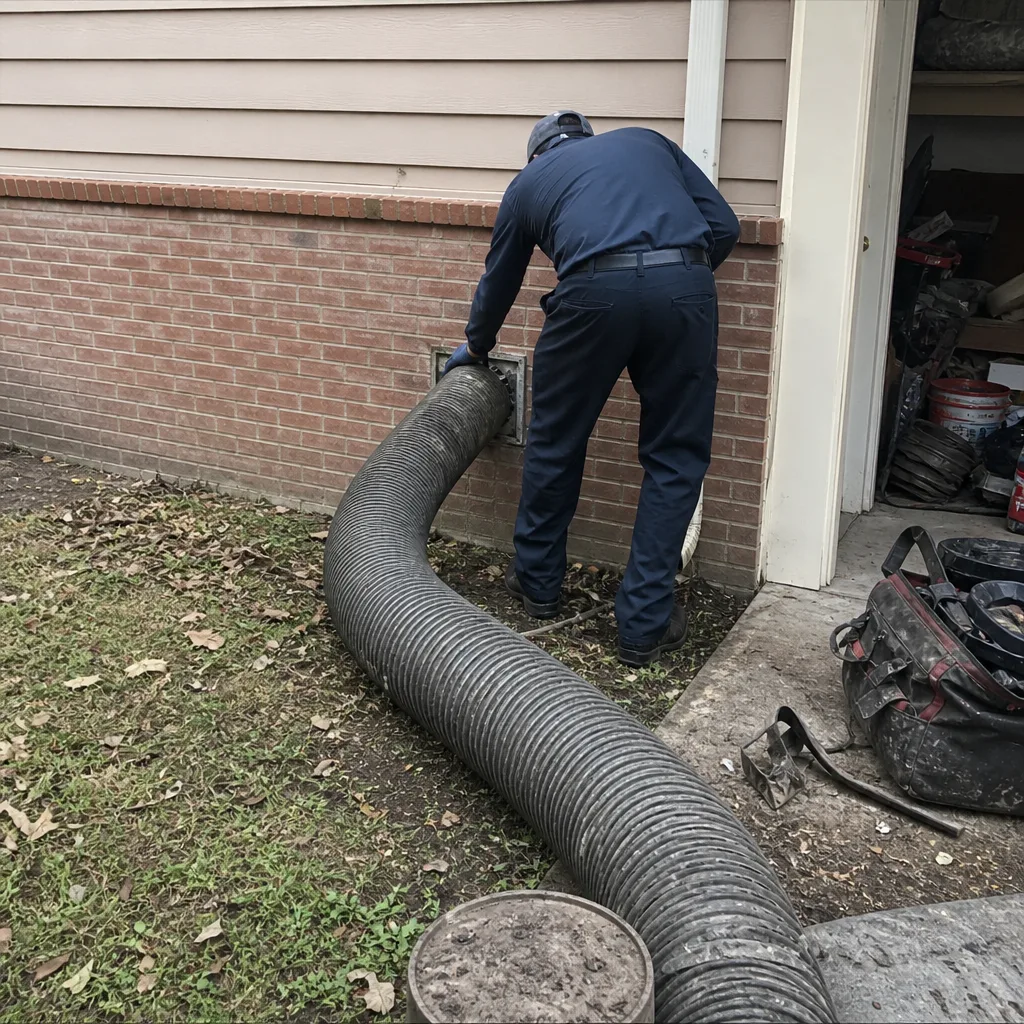 Before
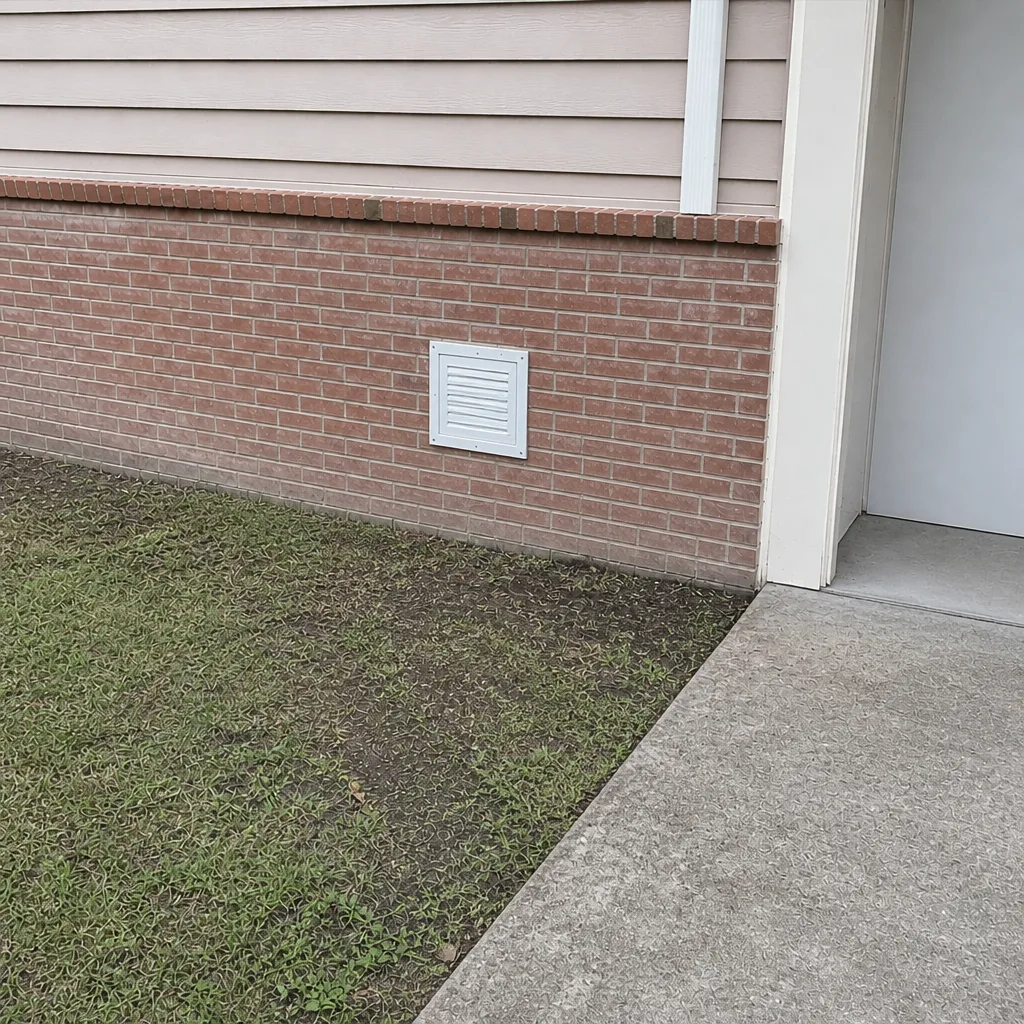 After
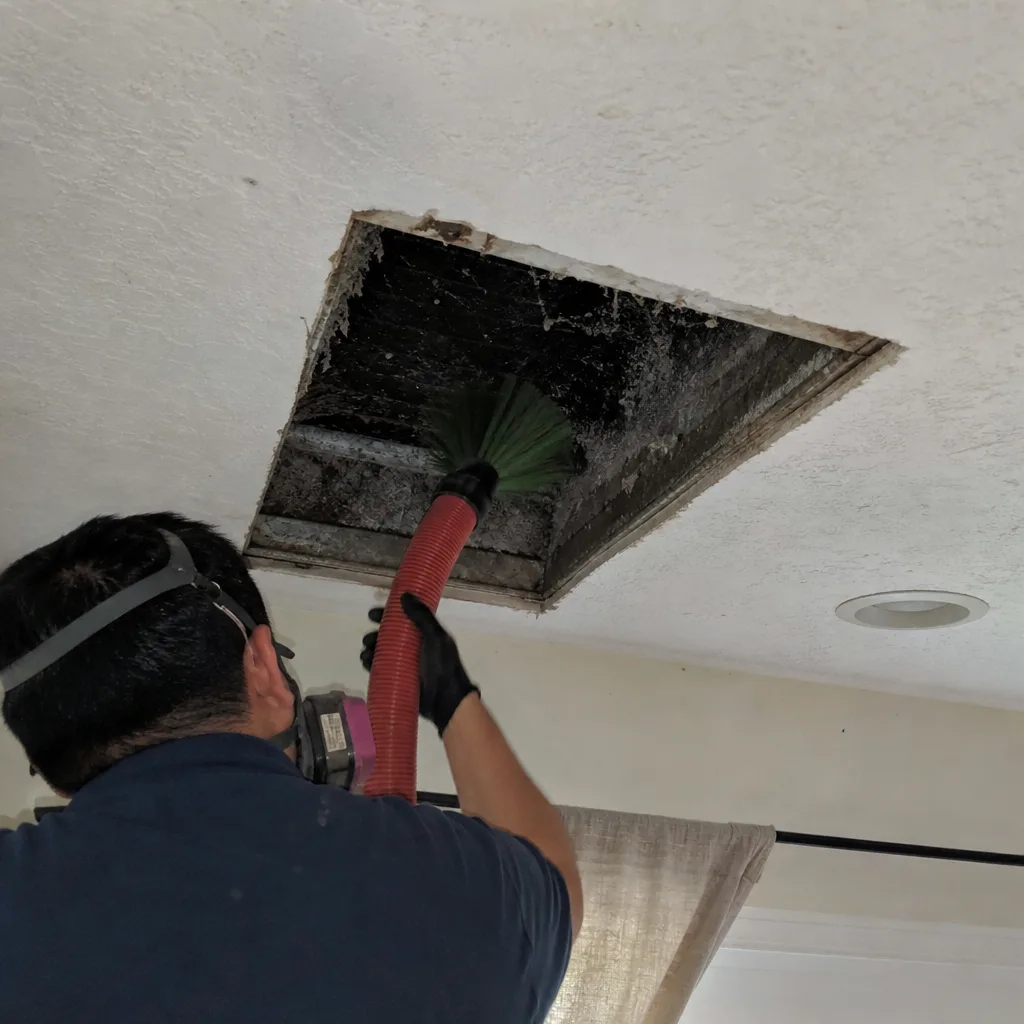 Before
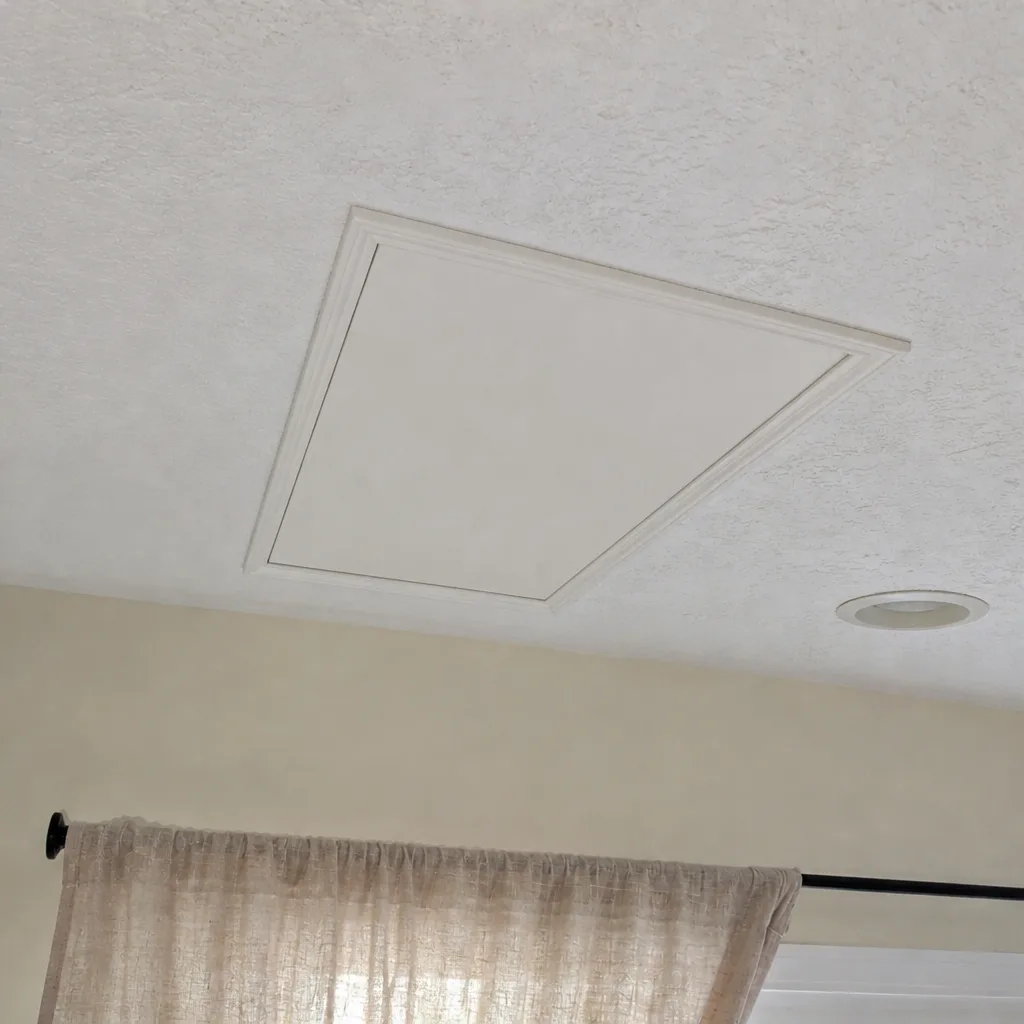 After
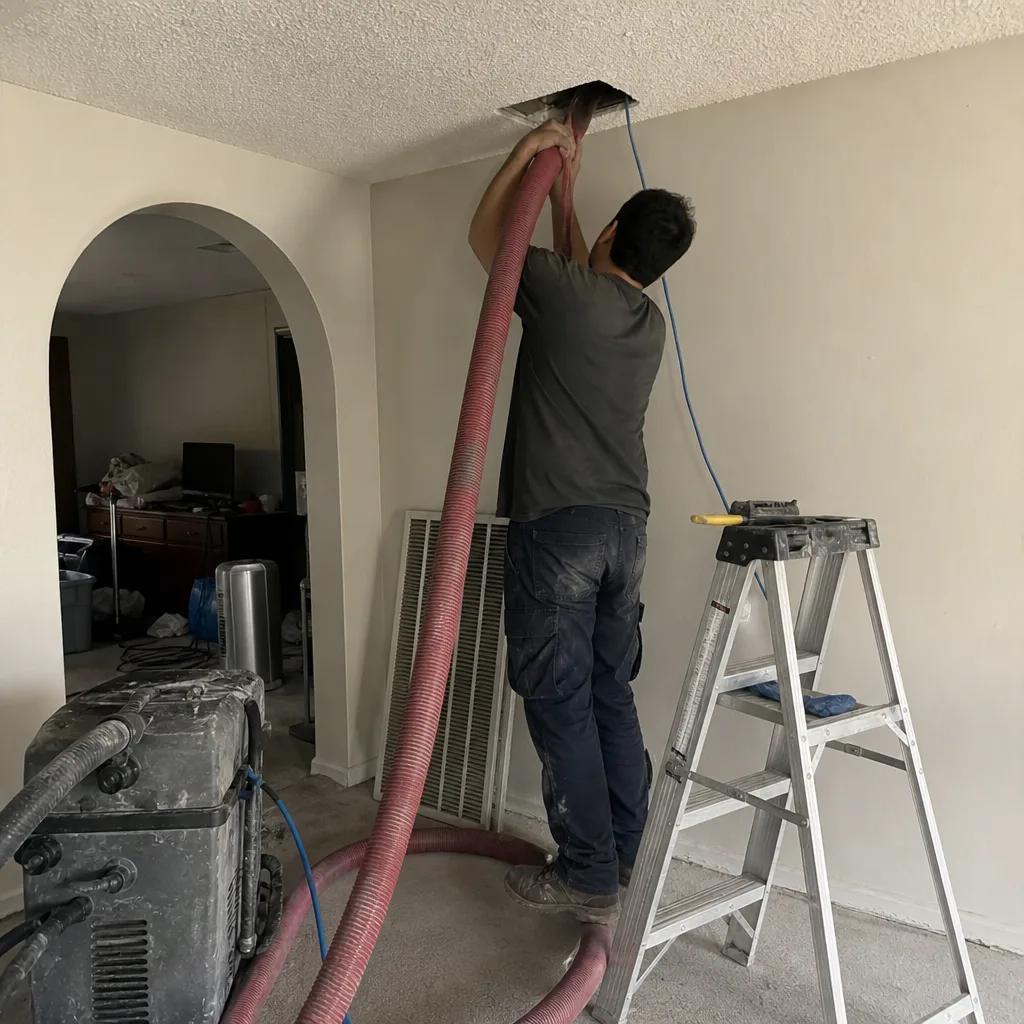 Before
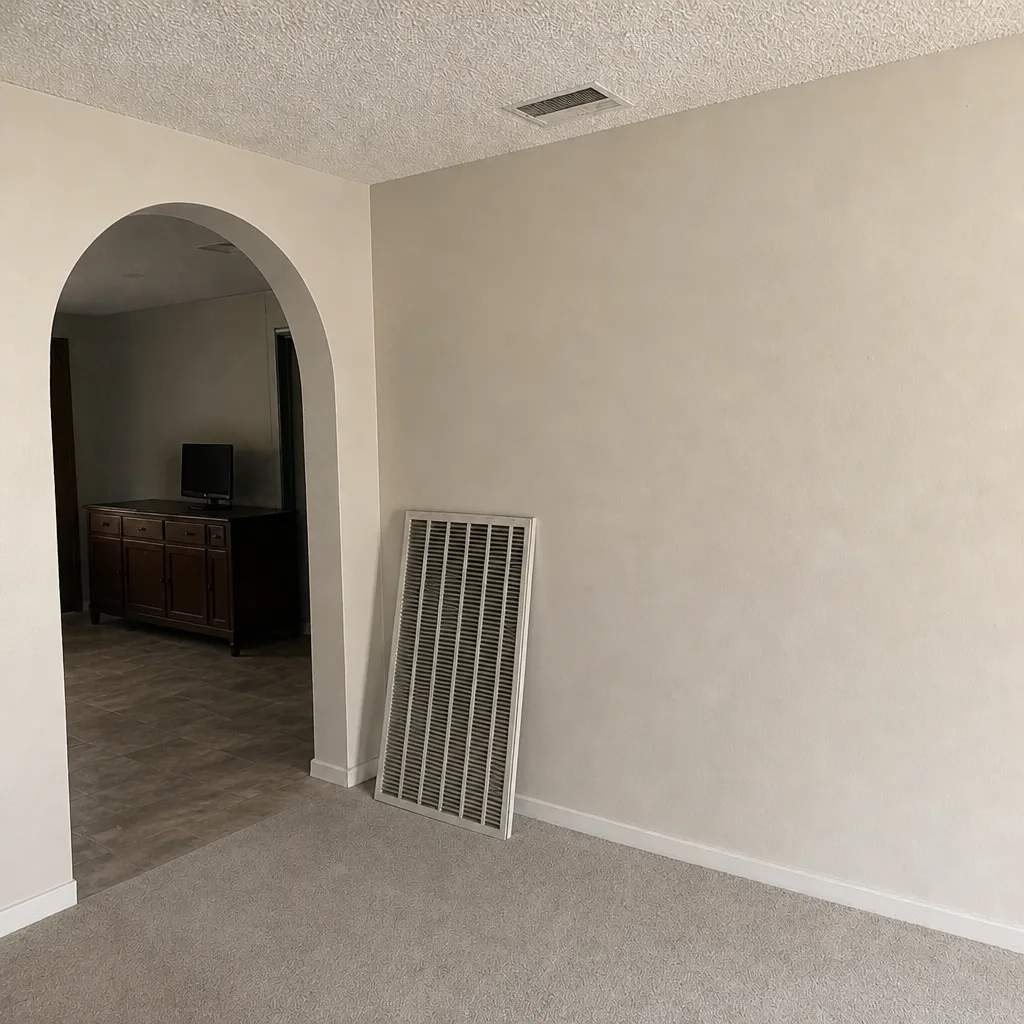 After
When to Call a Professional
Call a professional when the checklist produces a finding you can’t explain or fix: a register with no airflow, a persistent musty smell, visible growth or water near the air handler, a duct run that came apart after a storm, a filter that won’t stop loading, or a temperature gap that keeps widening. If it’s been several years since your last inspection and you’ve never had the ducts looked at, that alone justifies a visit. A pro should assess duct condition, sealing needs, and the air handler as one system, then quote per job. Air Duct Cleaning Energy Corridor offers free estimates in Energy Corridor. Call (855) 726-7308.
Frequently Asked Questions
Most Energy Corridor homes do well with a professional inspection every two to three years and a cleaning when the checks call for it, though the right interval depends on pets, dust, allergies and whether you’ve had a flood or storm event. Year-round HVAC runtime in Houston means debris accumulates steadily, so let your monthly and quarterly checks set the pace rather than a fixed calendar.
Often yes, at least enough to know it’s time to call. A persistent musty smell, visible dust rings that keep growing, filters that load in a fraction of their usual time, and uneven airflow at registers are all signals that the system is holding more than it should. The performance log turns those signals into a case for a professional look. Call (855) 726-7308 for an exact quote; estimates are free.
Pricing depends on the home’s size, the number of systems, and how much repair or sealing is involved, so we quote per job from a written estimate rather than by the vent. A typical cleaning sits in the low-to-mid hundreds for a single-system home, with repair, sealing and sanitizing quoted as separate line items so you know exactly what each part costs before work starts. Call (855) 726-7308 for your exact quote.
Cheap quotes usually price a limited scope, sometimes a surface pass with consumer-grade tools or a per-vent teaser rate that grows once the technician is on site. The honest comparison is whole-system: cleaning plus inspection of duct condition, sealing needs and the air handler, with a flat price agreed before work begins. We give you that range up front and photograph the before-and-after of your own ducts so you can see the work.
Ask for before-and-after photos of your own ductwork, not stock images, and a clear written description of what was cleaned, what was repaired, and what was sealed. The proof is in the specifics. A written estimate that itemizes each service is the other half of the answer, because it gives you something to check the finished job against.
Clean and sealed are different questions. Leaky joints and disconnected runs can lose conditioned air into the attic even when the inside surfaces look fine, which is common in older Energy Corridor homes with flex duct in unconditioned attic space. Duct repair and sealing close that gap so the system reaches the rooms you’re paying to cool. Call (855) 726-7308 to talk it through.
The Bottom Line
A maintenance checklist turns you from a passive homeowner into an active monitor of your own system. Five minutes a month on registers, dust rings and filter loading. A quarterly pass tied to Houston’s humidity, cooling season and the mild winter. A simple log of bills and room temperatures that shows trends before they become surprises. And a clear list of thresholds for when to stop watching and call. That’s the whole system: cleaning, sealing, filtration and the reminders that tie them together. When the log points to something, we’ll take it from there. We clean the system, then we make sure it stays clean. Call (855) 726-7308 for a free estimate. We answer 24/7, with fast dispatch from 7am to 7pm, Sunday through Friday.
Written by the team at Air Duct Cleaning Energy Corridor.