
Last updated November 25, 2026
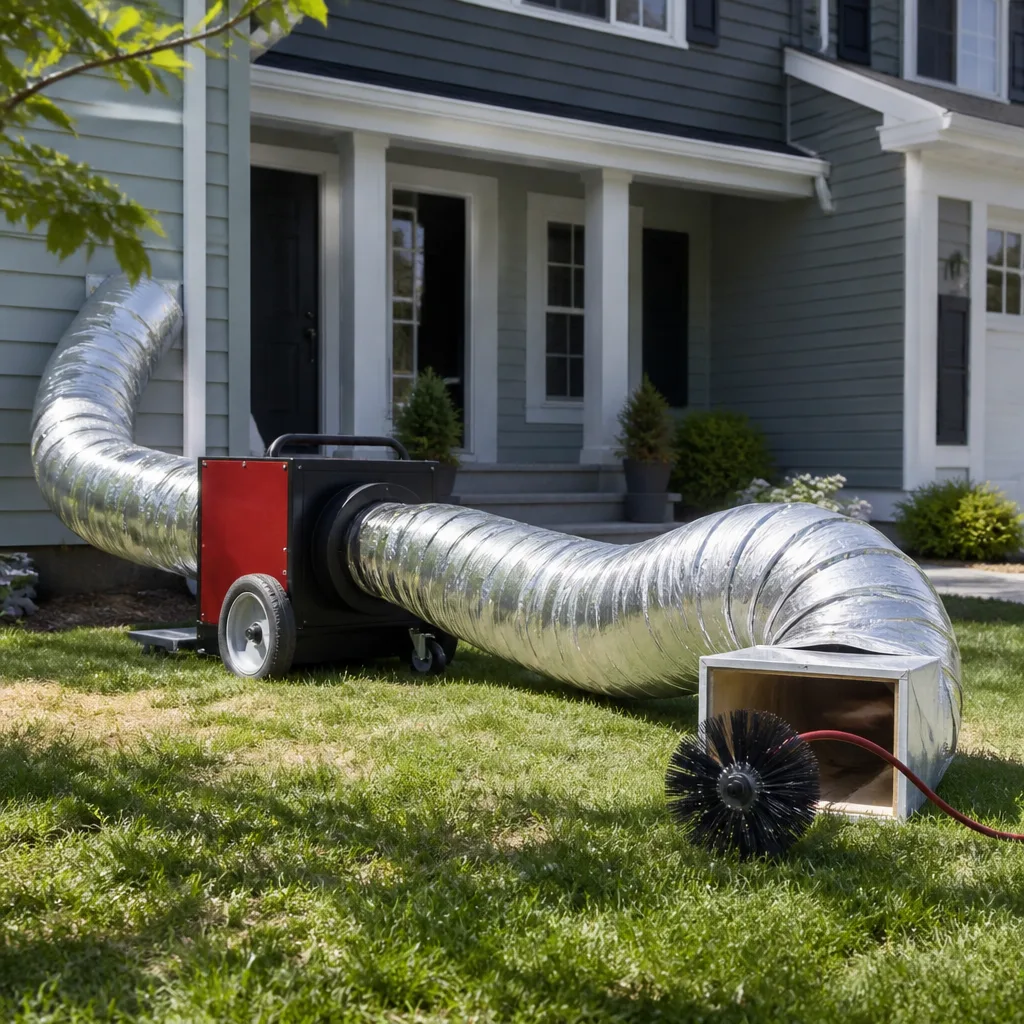 Whole-home duct cleaning
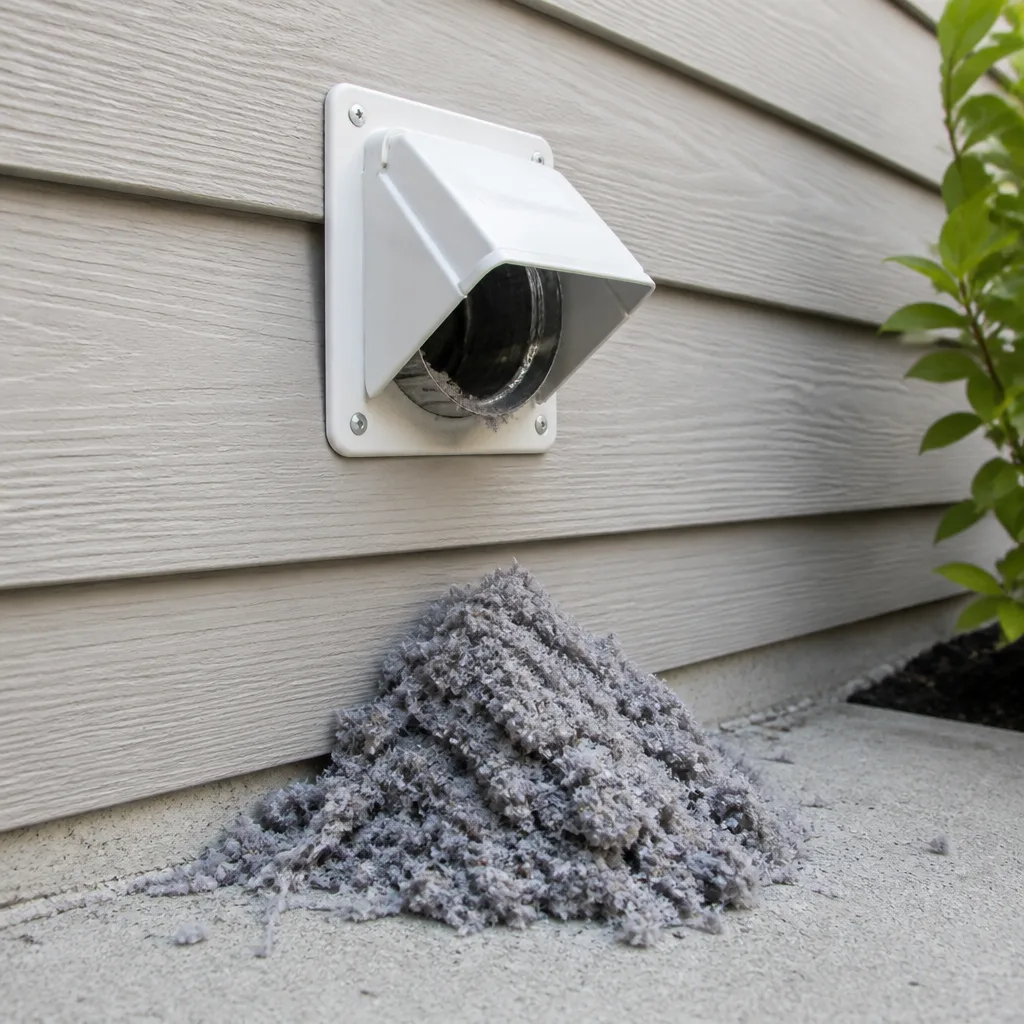 Dryer vent cleaning
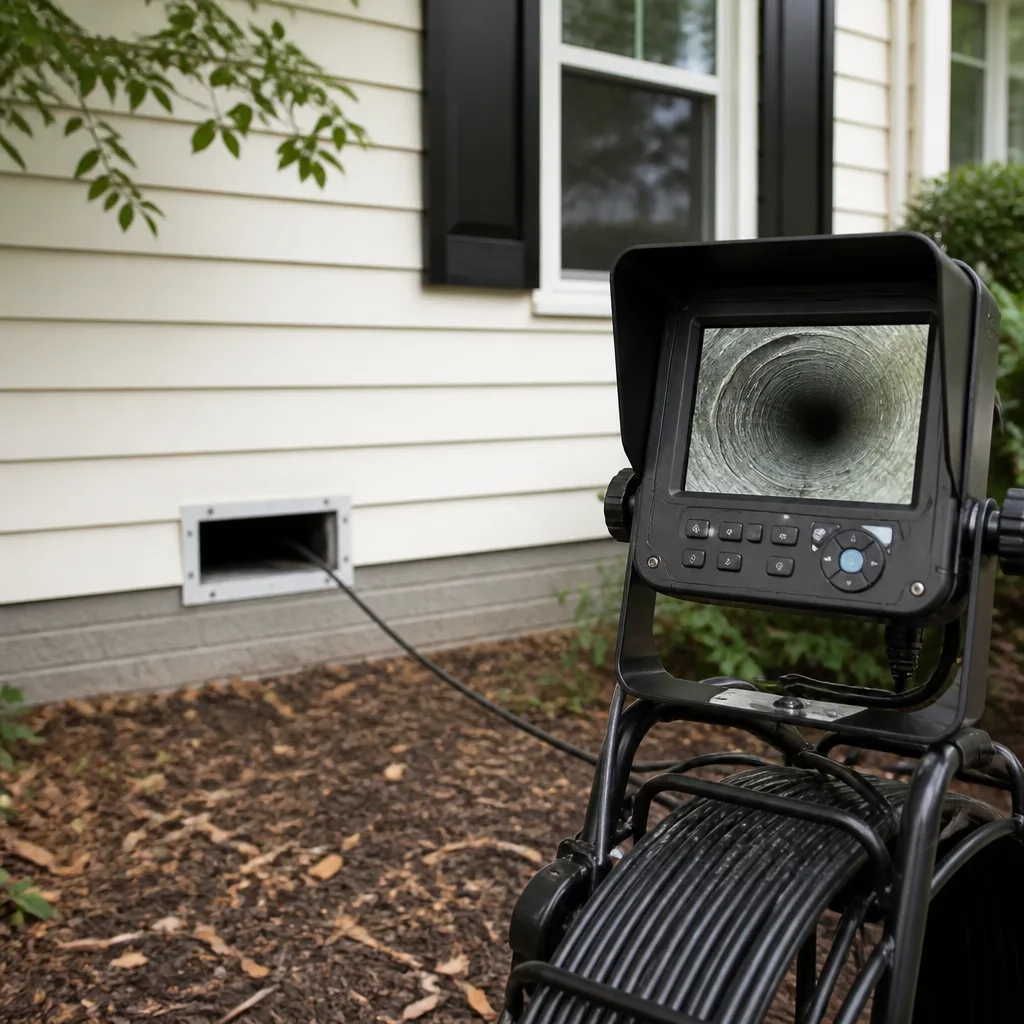 Camera inspection
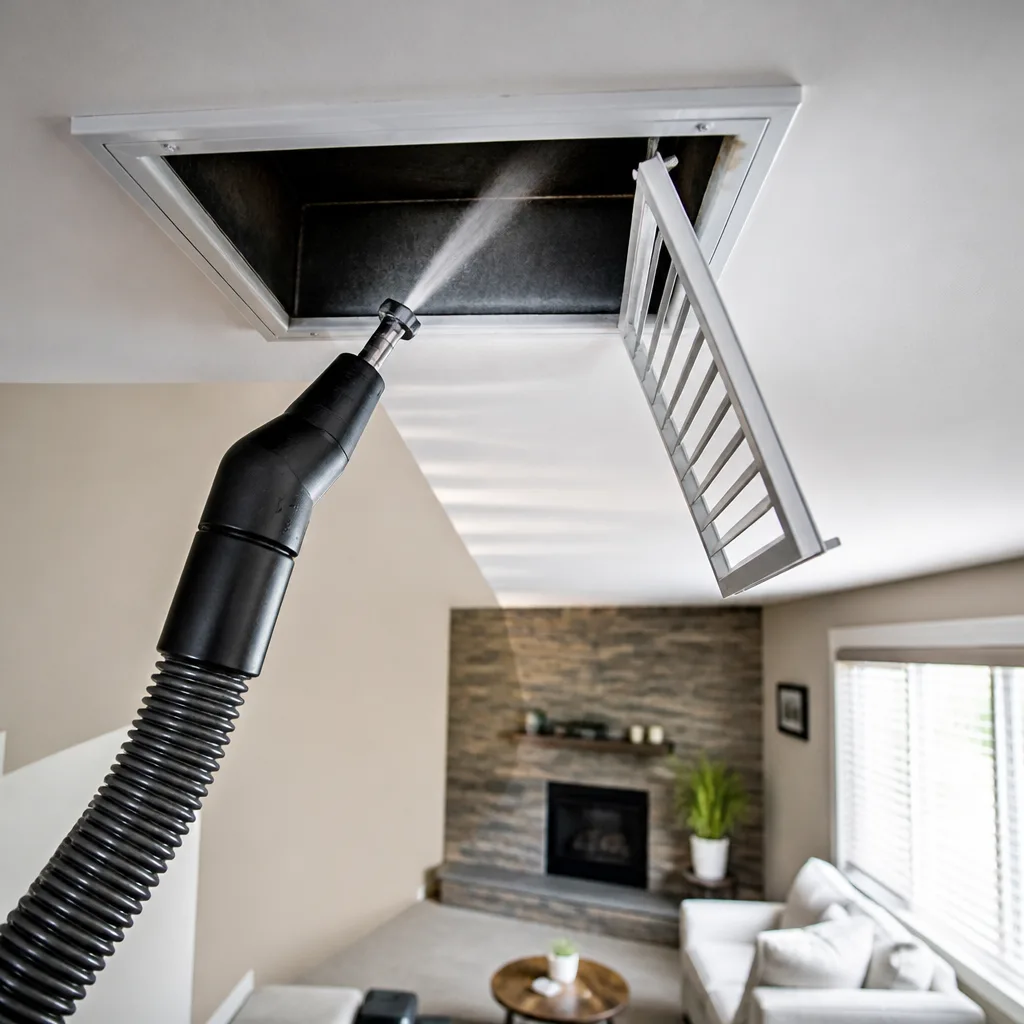 Sanitizing & deodorizing
Whole-system duct and dryer vent check with before-and-after photos - you see exactly what came out of your vents
That "$99 whole-house special" is a bait ad - the real number appears once they are in your hallway, or the "clean" is a shop-vac at the register. We photograph the inside of your ducts before and after instead.
Air Duct Cleaning Cost Breakdown: The Energy Corridor Homeowner’s Reference for 2026
The $89 duct cleaning special and the $650 professional service aren’t two prices for the same job. They’re prices for two fundamentally different scopes of work, and the gap between them is what most homeowners don’t discover until after the cheaper service is done. One clears what a shop vac can reach. The other opens the system, agitates every surface inside it, pulls the debris out under negative pressure, and seals what was leaking in the first place. This reference breaks down what actually goes into a real full-system cleaning in Energy Corridor, what each component costs, and how to read any quote you receive against the scope it really covers.
Quick Answer
A full-service air duct cleaning in Energy Corridor typically runs $350 to $700 for a single-system home, with larger homes and multiple HVAC systems pushing into the $700 to $1,200 range. Sanitizing, coil cleaning, and duct sealing are line items priced separately, usually $100 to $400 each depending on the scope. A legitimate quote itemizes every stage of the work; a number with no breakdown behind it is a number you can’t evaluate.
Styles & brands we work with
- Whole-home duct cleaning
- Dryer vent cleaning
- Camera inspection
- Sanitizing & deodorizing
Table of Contents
- What Actually Drives Cost in Energy Corridor
- Line-Item Breakdown of a Full-Service Cleaning
- Why Square-Footage Pricing Misleads
- Legitimate Add-Ons vs. Common Upsells
- Calculating ROI in a Houston Climate
- How to Compare Two Quotes Fairly
- Common Mistakes to Avoid
- Frequently Asked Questions
What Actually Drives Cost in Energy Corridor
Two homes on the same street can carry quotes that differ by several hundred dollars, and the reason is rarely the salesperson. It comes down to five variables that have real labor and equipment behind them.
Home size and system count. A single-story home in Energy Corridor with one central air handler means one set of supply and return runs, one plenum, and one coil to reach. A two-story home with a second system in the attic doubles the work: two air handlers, a longer run network, and often tighter access to the upper system. System count is the single biggest cost lever in this market, because most of the Energy Corridor’s newer townhomes and the mid-century homes closer to the Katy Freeway corridor were built to different layouts, and the second system is what surprises people.
Duct material type. Sheet-metal trunk lines tolerate aggressive mechanical agitation well. Flexible round duct, which is common in the attic systems here, needs gentler tooling and more time to clean without tearing the inner liner. Fiberboard duct, where it exists, adds another cost step because it requires lower-pressure handling and post-cleaning sealing. A quote that doesn’t ask what your ductwork is made of hasn’t estimated your job yet.
Accessibility. Vents under cabinets, returns tucked into closets, and attic air handlers reached through a small scuttle all add setup time. That’s honest extra cost. What isn’t honest is a technician arriving, discovering your system is more complex than the phone quote assumed, and converting a teaser price into a much larger invoice on the spot. One flat price per system, agreed before work starts, is the standard we hold to.
System condition. A system cleaned five years ago needs less time than one that’s never been opened. Heavy contamination means more vacuum passes, a filter change, and often a closer look at the coil and the returns. If you’ve noticed dust buildup on supply registers, musty odors when the air kicks on, or uneven airflow between rooms, the system is telling you it needs more than a surface pass.
Equipment. This is the quiet variable most quotes never mention. Professional-grade systems like Rotobrush and Nikro use high-volume negative pressure paired with mechanical agitation, so debris is captured and removed rather than stirred into the room. Consumer-grade vacuums can’t hold that pressure through a full run network. The equipment difference is a real cost, and it’s also the reason two quotes with the same scope can land at different numbers.
Line-Item Breakdown of a Full-Service Cleaning
This is where the real economics live. A professional air duct cleaning job isn’t one service. It’s a sequence, and each stage has a range you can sanity-check against any quote.
| Line Item | Typical Range | What It Covers |
|---|---|---|
| Initial inspection and camera check | $0 (usually included) | Access verification, duct material assessment, contamination level, locating leaks |
| Mechanical agitation and negative pressure vacuuming | $250-$500 single system | All supply and return runs, plenums, registers and grilles |
| Sanitizing | $100-$250 | Treatment of biological contaminants, odors, and post-removal surface residue |
| Coil cleaning (evaporator) | $150-$400 | Cleaning the indoor coil, which sits in the airstream and traps dust |
| Duct repair and sealing | $150-$400 | Closing leaking connections, torn flex liner, and gaps that bleed conditioned air |
| Filter replacement | $25-$80 | Fresh media filter sized to the system, matched to a Honeywell or Aprilaire filter cabinet where one is fitted |
Add the ranges together for a single-system Energy Corridor home and you land in the $650 to $1,100 zone for a complete job that includes sanitizing, coil work, and sealing. That’s the number the $89 special pretends is the same thing. It isn’t. See Air Duct Cleaning Energy Corridor for how we structure a full-system visit from inspection through sealing.
What the inspection stage actually answers
The inspection isn’t a sales pitch, it’s the foundation for the price. It tells a technician what material the ducts are made of, how much contamination is present, whether the system is starved for return air, and whether there’s a leak in the attic runs that’s pulling unfiltered air into the system. Every line item after it is priced off what that inspection finds. If a company won’t put an inspection on the work order before quoting, the quote is a guess with a price tag attached.
Why the sanitizing stage isn’t optional when it’s needed
Cleaning removes debris. Sanitizing addresses what’s left behind – biological growth, musty odor, residue on the coil and duct walls. Using products from Abatement Technologies and Guardsman, our technicians treat the system after vacuuming, not before, so the sanitizer reaches a clean surface rather than being applied over a layer of dust. When there’s visible growth or persistent odor, skipping this step means the smell comes back within a season.
Why Square-Footage Pricing Misleads
Pricing a duct cleaning by square footage is the industry’s favorite shortcut, and it’s the reason two quotes for the same home can be hundreds apart and neither one is reliable. Square footage tells you how big the house is. It says nothing about how much ductwork the air actually moves through.
A 1,800-square-foot Energy Corridor townhome with a tight ceiling layout and one system can need more cleaning time than a 2,600-square-foot ranch with generous attic access and a simple, short run network. The square-footage quote prices the floor plan. The per-system model prices the machinery, the run network, and the access problems the technician actually faces.
- Per-vent pricing tells you the count of registers but not the condition of the runs behind them. It also invites padding – some companies add vents to the invoice without cleaning them, or charge a teaser rate for the first several vents and a high rate for the rest.
- Per-system pricing is the honest unit in a market like Energy Corridor, because the system is the boundary of the work. One air handler, its supply and return runs, its plenum, and its coil are one job. A second system is a second job.
- Per-hour pricing is the least useful of the three, because the number tells you how fast the technician expects to work, not how much work there is.
When you get a per-system quote, ask one question: does that price include the returns, the plenum, and the coil, or only the supply runs? That single question separates a full-system cleaning from a partial pass dressed up as a bargain.
Legitimate Add-Ons vs. Common Upsells
Some add-ons genuinely fix a problem. Others get sold because they’re easy to add to an already-agreed price. Here’s how we separate them, because homeowners deserve to know which is which before a technician opens a catalog in the driveway.
Legitimate add-ons worth considering
- Evaporator coil cleaning. The coil sits directly in the airstream. A clean coil moves air better and takes load off the compressor, which matters in a Houston climate where the system runs long cooling cycles. Worth it when the inspection finds the coil fouled.
- Duct repair and sealing. A duct system that leaks 20 percent of its air into an attic is wasting money every hour it runs. Sealing the joints, connections, and torn flex liner is the single highest-ROI add-on in this market, and it’s the step most cleaning-only competitors skip. That’s the whole idea behind our HVAC cleaning and sealing work.
- High-quality filtration. Fitting a properly sized filter cabinet from a brand like Honeywell or Aprilaire changes how fast the system fouls after cleaning. It’s a real upgrade, not a gimmick.
Upsells that are often unnecessary
- Ozone treatment in an occupied home. Ozone is aggressive. It’s rarely the right tool for a home where people and pets live, and cleaning plus proper sanitizing handles most odor problems without it.
- Multiple rounds of sanitizer. One properly applied treatment after cleaning does the job. Repeated rounds sold as a “system” are usually priced for the invoice, not for the air.
- Cleaning ducts that don’t need it. If a professional inspection shows the system is clean and the return filter has been doing its job, cleaning is a waste of money. A company that will tell you so is the one to keep.
Sealing and sanitizing are what keep a cleaned system clean. When we say we clean the system and then make sure it stays clean, that’s the sequence – cleaning first, then sealing the leaks and treating what’s left.
Calculating ROI in a Houston Climate
The energy question is fair: does duct cleaning and sealing actually pay back? In this market, the answer is usually yes, but the math is different from a colder climate. Here, the cooling season is long, and the system runs for a lot of hours each year. That extends the payback window.
Duct leaks cost you two ways. First, cooled air escapes into an attic that’s already hot, so the system runs longer to hit the thermostat setting. Second, the leaks pull unfiltered attic air, dust, and insulation fibers into the return side, which fouls the coil and the filter faster. Sealing the leaks attacks both costs at once.
- Reduced run time. A sealed, clean system moves air more efficiently, so the compressor cycles less for the same comfort level. Every hour of run time you cut is an hour of electricity you don’t pay for.
- Longer HVAC life. A system that isn’t fighting a fouled coil and a leaking duct network runs under less load. The compressor is the expensive part, and it lasts longer when it’s not working overtime.
- Fewer filter replacements. A system that isn’t pulling attic dust into the return keeps a filter clean longer. That’s a modest annual saving, but it also means the coil stays cleaner between service calls.
- Avoided repair costs. Coil and blower failures tied to contamination are expensive. Cleaning and sealing is cheaper than a mid-season repair.
Across a Houston cooling season, the combined effect of a sealed system and a clean coil typically shows up as a noticeable drop in summer electric bills, though the exact figure depends on how leaky the original system was. The point is that a $650 full-system job isn’t just a cleanliness purchase. It’s a system-efficiency investment with a measurable return in a climate that runs the air conditioner hard.
And there’s a safety line that belongs in any ROI conversation. Dryer vent cleaning reduces fire risk, not just lint buildup. Lint in the vent is fuel, and a clogged vent is a fire hazard the cleaning service directly addresses. That’s a cost you can’t price against ROI, but it’s the reason the service is part of any full indoor-air assessment.
How to Compare Two Quotes Fairly
Two quotes are only comparable if both itemize the same stages. Print them and line them up against this checklist before you call either company back.
- Does the quote list every stage? Inspection, agitation and vacuuming, sanitizing, coil cleaning, and sealing should each appear as separate line items. A one-line quote hides the scope.
- Is it priced per system, not per vent? Per-vent pricing invites padding and hides what happens to the returns and plenum. Per-system pricing is the honest unit.
- Does it state what’s included before work starts? One flat price per system agreed in advance is the standard. If the price can change once the technician is on site, the quote wasn’t a quote.
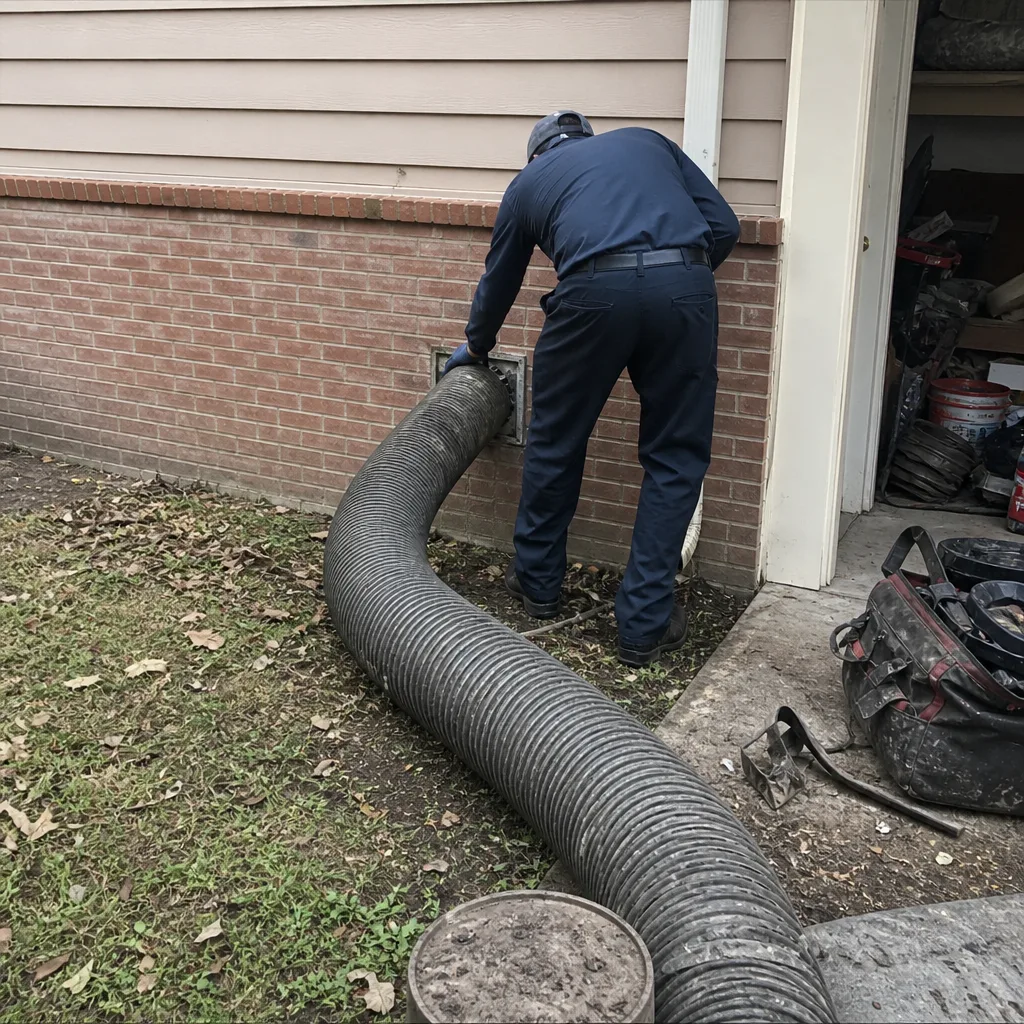
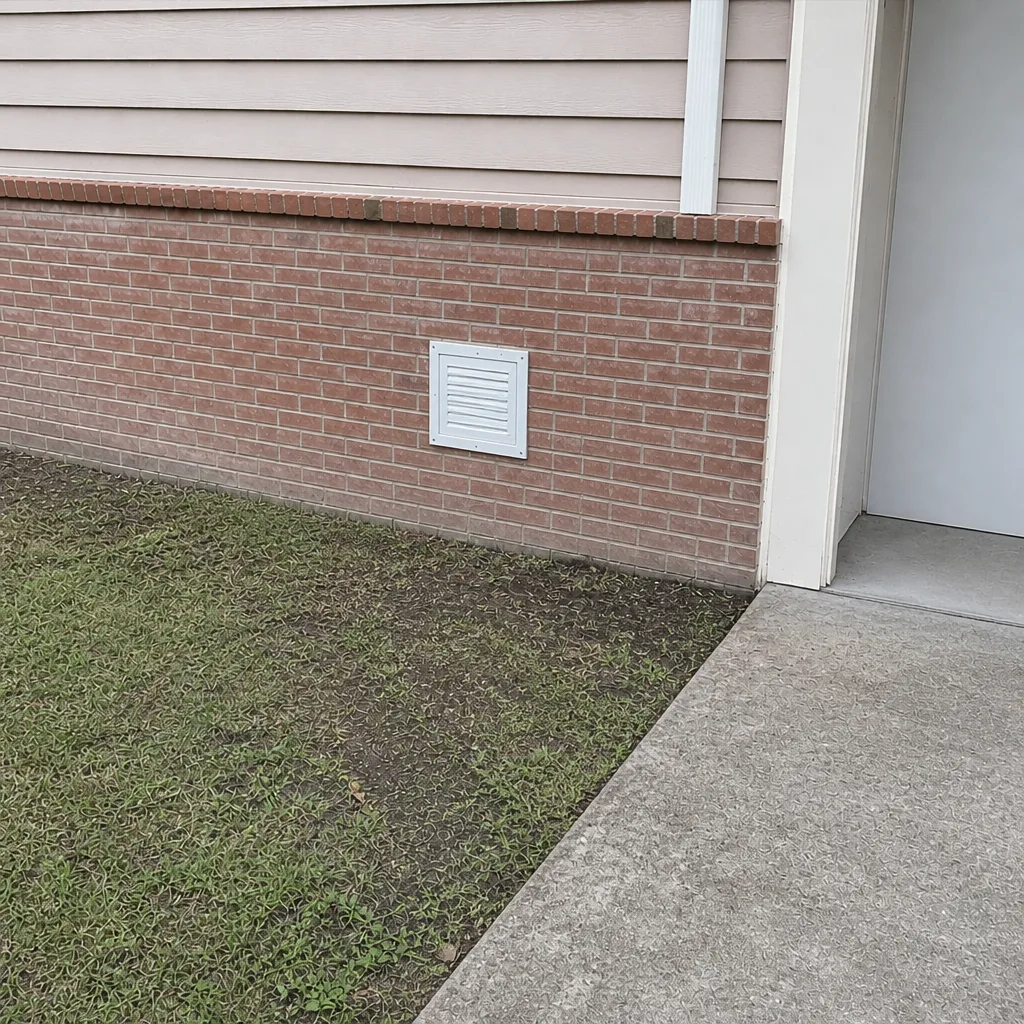
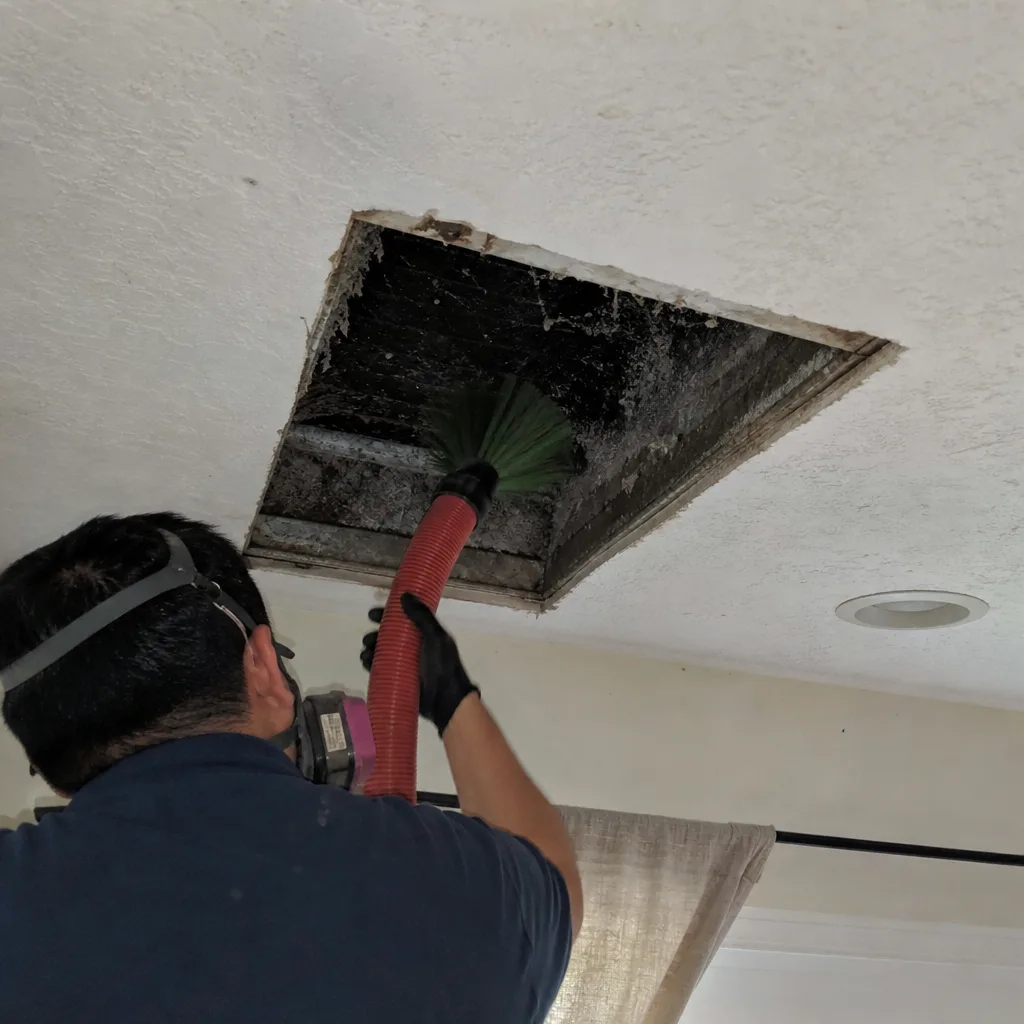
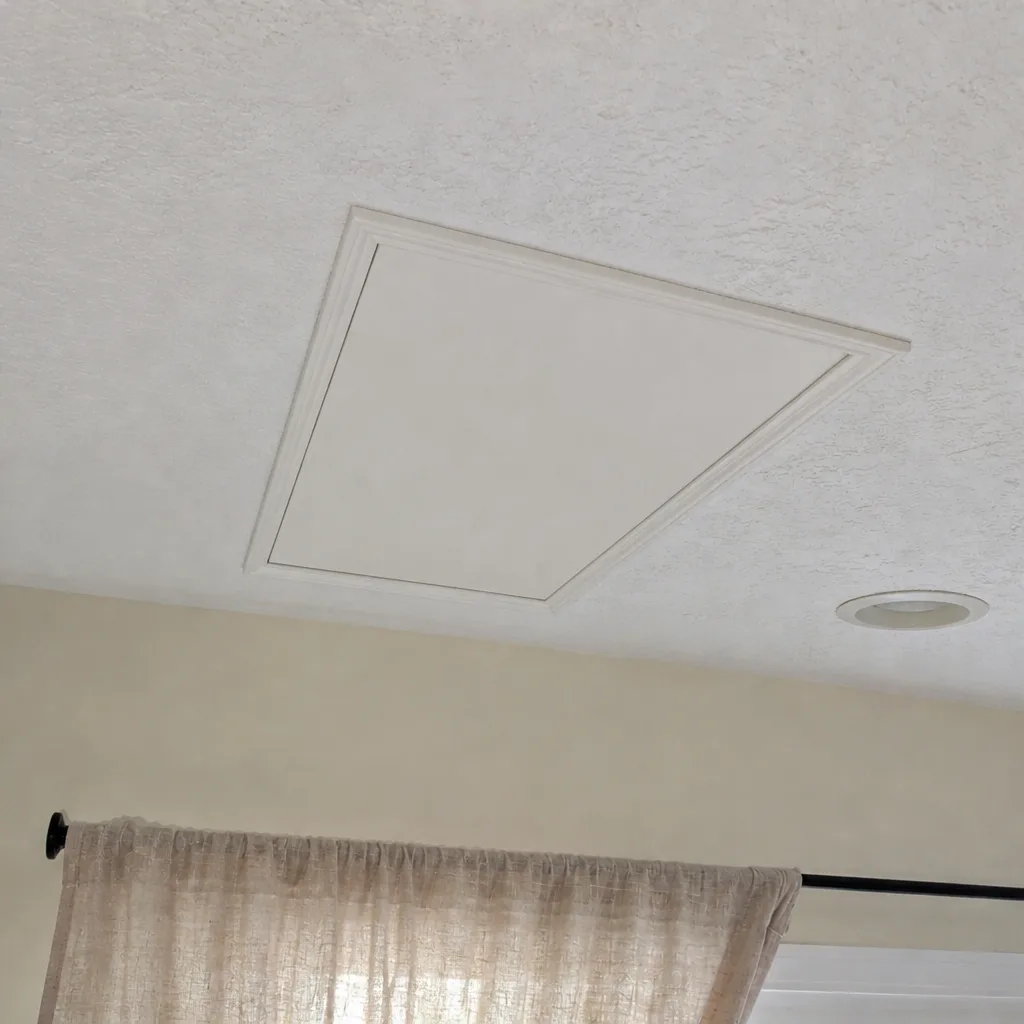
- Does it cover before-and-after photos? A company that photographs your own ducts before and after the cleaning is showing you the work was done. Ask for it in the scope.
- What equipment is being used? Ask directly. Professional-grade systems like Rotobrush and Nikro, paired with HEPA filtration, capture what they loosen. Consumer-grade vacuums can’t.
- Are add-ons optional and priced separately? Legitimate add-ons have a reason attached. If the add-on list is long and every item is “recommended,” ask which ones are actually necessary for your system.
When you’re ready to evaluate a real quote, we’ll walk through your system stage by stage and put one flat price per system in writing before any work starts.
Common Mistakes to Avoid
- Buying on the headline price alone. A teaser price is priced for the pitch, not the job. Compare the scope behind each number, because the cheapest quote and the most complete quote almost never describe the same work.
- Accepting a quote with no inspection attached. Without an inspection, the company hasn’t seen your duct material, system count, or contamination level. That means it hasn’t estimated your job, it’s guessing at it.
- Skipping the returns and the plenum. Many low-cost services clean the supply vents and stop. The returns and plenum are where a lot of the contamination collects, so a supply-only cleaning undersells what a full-system job includes.
- Paying for ozone treatment in an occupied home. It’s rarely the right tool when people and pets live in the house. Cleaning and proper sanitizing handle most odor issues without it.
- Skipping the sealing step. A cleaned system that still leaks will foul again within a season. Sealing is what turns a cleaning into a lasting fix, and it’s the step most cleaning-only competitors don’t offer.
- Hiring on a phone number and a price with no written estimate. In a market with this much quote variability, the written estimate is your protection. Ask for it before you book.
- Waiting until something smells. By the time an odor reaches the living room, the system has been fouling for a while. If it’s never been inspected, a check is cheaper than a repair.
See the difference
 Before
 After
 Before
 After
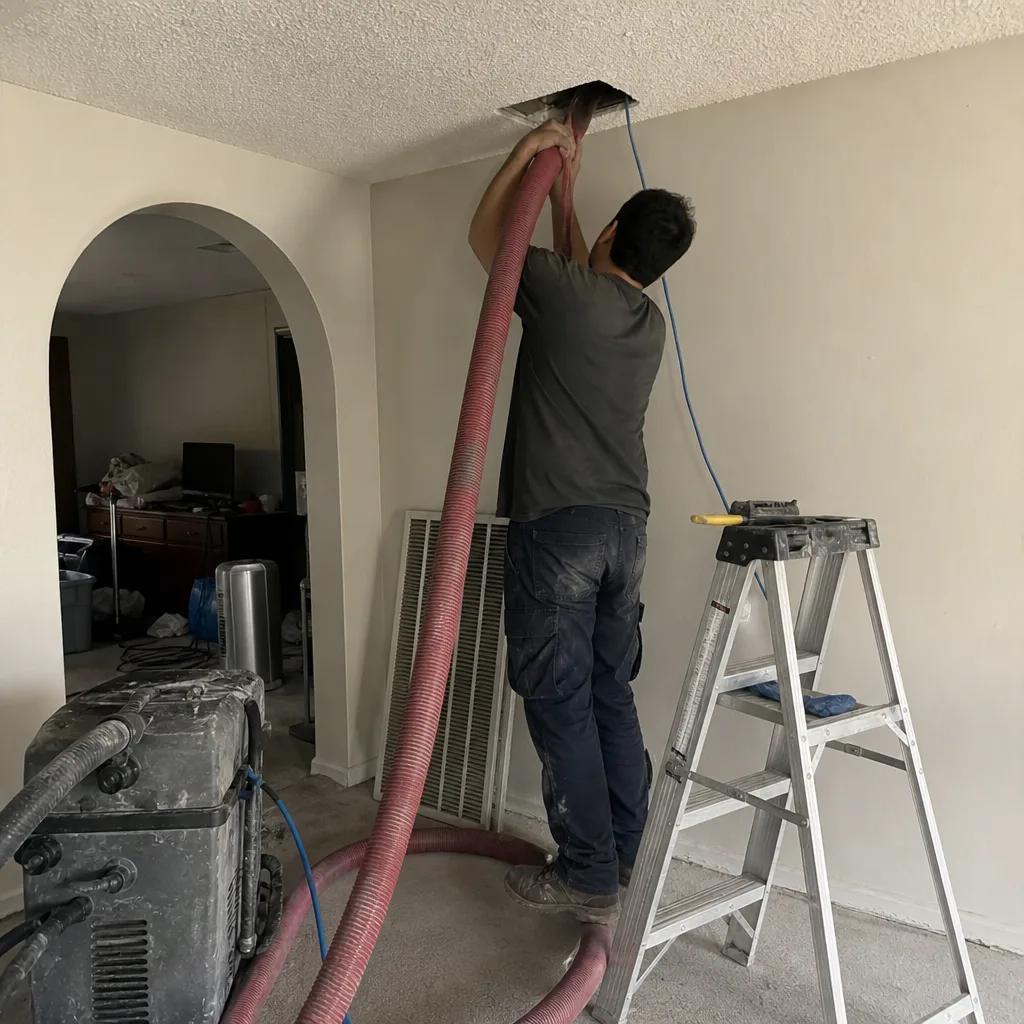 Before
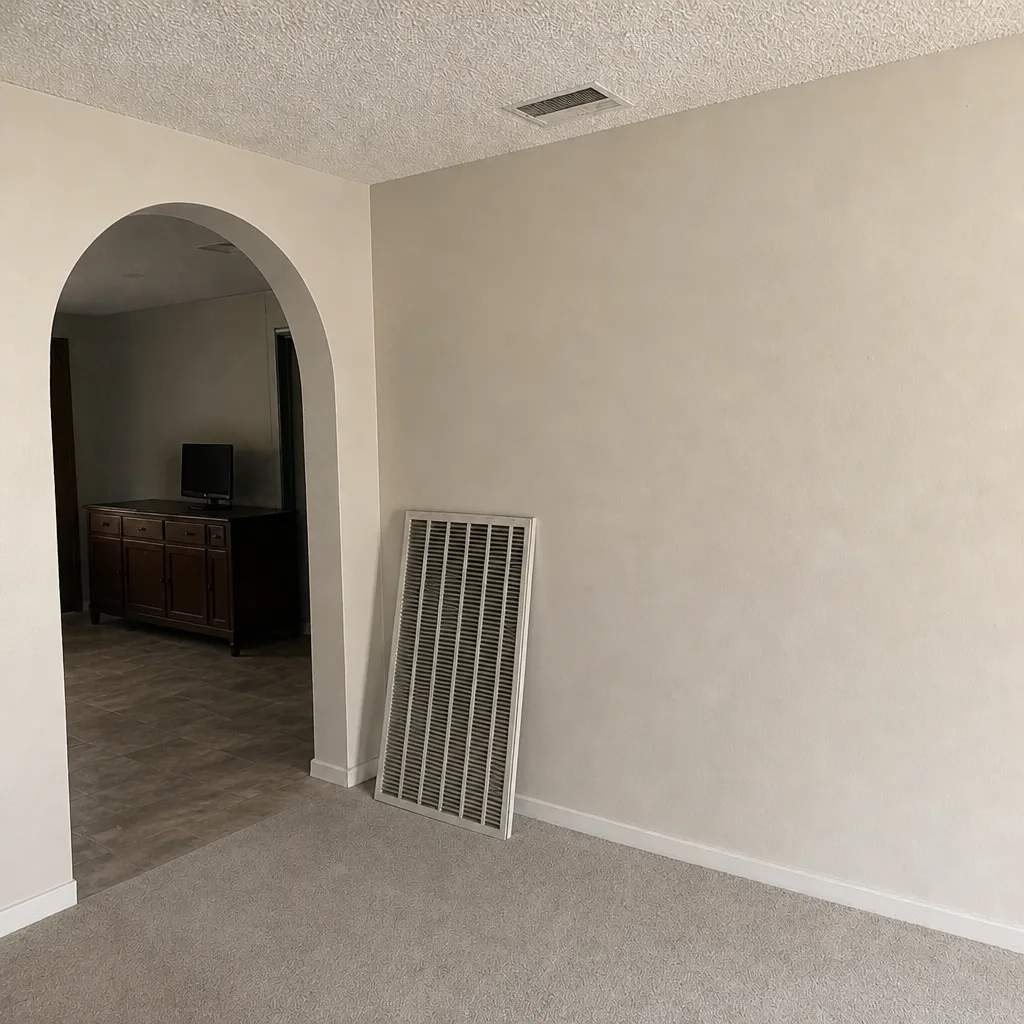 After
When to Call a Professional
Some problems are subtle, and some are obvious. Call a professional when you notice dust buildup returning to surfaces faster than before, a musty odor when the air handler kicks on, uneven airflow between rooms, or a visible layer of dust inside the supply registers. Call when the system is over ten years old and has never been inspected. Call when a dryer is taking longer than usual, because dryer vent cleaning is a fire-safety matter, not a convenience. Call when you’re about to replace a filter and find it caked in less than a month, which points to a source problem the filter alone won’t fix. And call when a quote you’ve received can’t be explained stage by stage. Air Duct Cleaning Energy Corridor offers free estimates in Energy Corridor – call (855) 726-7308. We answer 24/7. Fast dispatch from 7am to 7pm, Sunday through Friday.
Frequently Asked Questions
A full-service cleaning typically runs $350 to $700 for a single-system home, and $700 to $1,200 for larger homes with two systems. Sanitizing, coil cleaning, and duct sealing are priced as separate line items on top of that range. Call (855) 726-7308 for an exact quote – estimates are free.
Cheap quotes usually describe a smaller scope: supply vents only, no returns, no plenum, no sanitizing, no coil work, and no sealing. The price is low because the work is smaller, and it often grows once the technician is on site. One flat price per system agreed before work starts is the honest alternative. Call (855) 726-7308 to book a written estimate.
Ask for before-and-after photos of your own ducts, not stock images. A technician using professional equipment should also be able to show you what was removed and where the vacuum pulled from. A written scope with a photo record is how you verify the work. Call (855) 726-7308 and we’ll explain what’s included in the estimate.
Most homes in this market need a full-system cleaning every three to five years, sooner if there’s construction dust, pets, a smoker, or a history of moisture problems. A system that’s been sealed and kept filtered stays clean longer between visits. Call (855) 726-7308 for a free inspection and a clear recommendation.
Yes, because the cooling season is long and the system runs for many hours each year. That extends the payback window for cleaning and sealing, and it means a fouled coil or a leaky attic duct costs you more in run time than it would in a milder climate. The math favors doing it here. Call (855) 726-7308 to schedule an estimate.
Sealing covers the joints, connections, and torn flex liner that let conditioned air escape and unfiltered air enter. It matters because a cleaned system that still leaks will foul again within a season, and a leaking system wastes energy every hour it runs. It’s also the service most cleaning-only competitors don’t offer. Call (855) 726-7308 for a free estimate on a full-system job.
The Bottom Line
Duct cleaning pricing isn’t a single number – it’s a scope. The $89 special and the $650 full-system job aren’t competing prices; they’re different amounts of work. In Energy Corridor, a complete job for a single-system home typically runs $650 to $1,100 once sanitizing, coil cleaning, and sealing are included, and two-system homes run higher. The way to compare quotes is to line up the line items, not the totals. Look for a per-system price agreed in writing before work starts, professional-grade equipment, and before-and-after photos of your own ducts. Anything less, and the low price is just the first number, not the last.
If you’d rather have a straight answer than a sales pitch, call (855) 726-7308 for a free estimate. We answer 24/7. Fast dispatch from 7am to 7pm, Sunday through Friday.
Written by the team at Air Duct Cleaning Energy Corridor.