
Last updated November 25, 2026
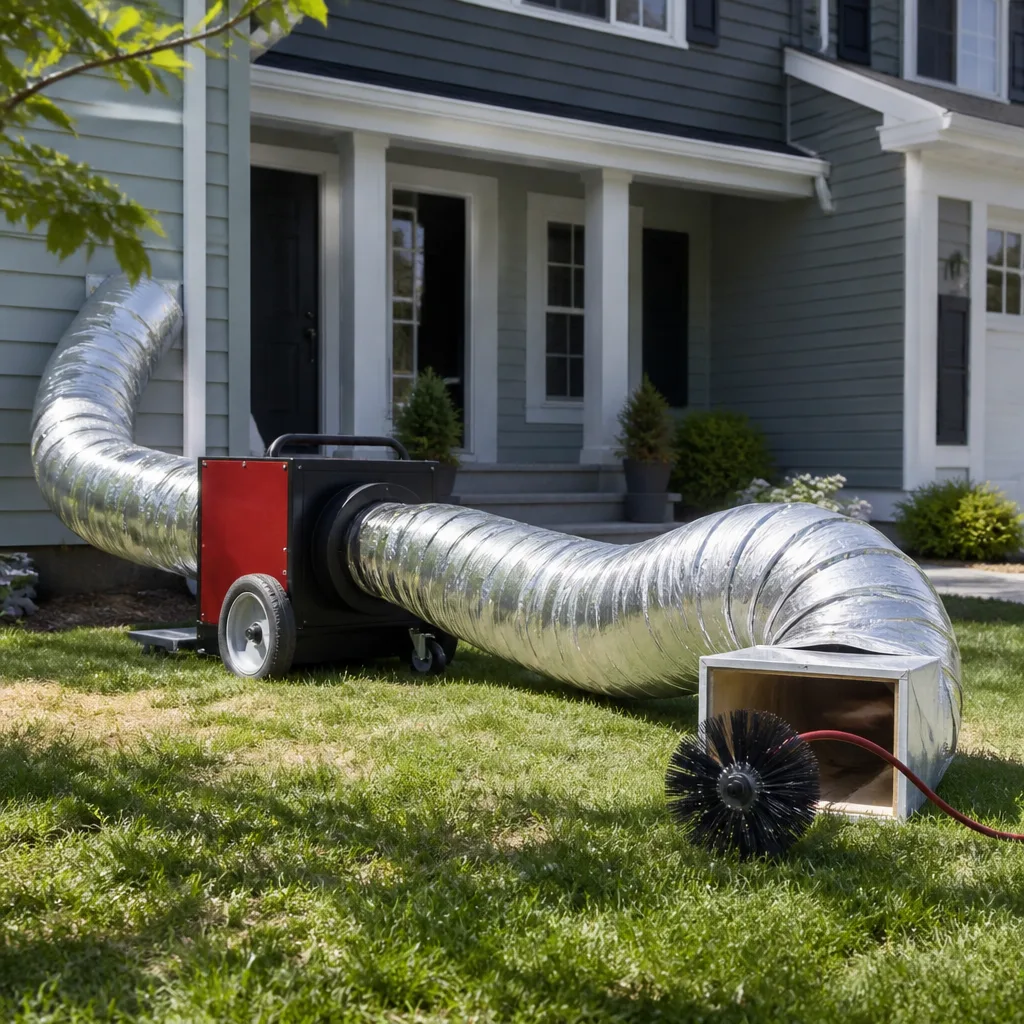 Whole-home duct cleaning
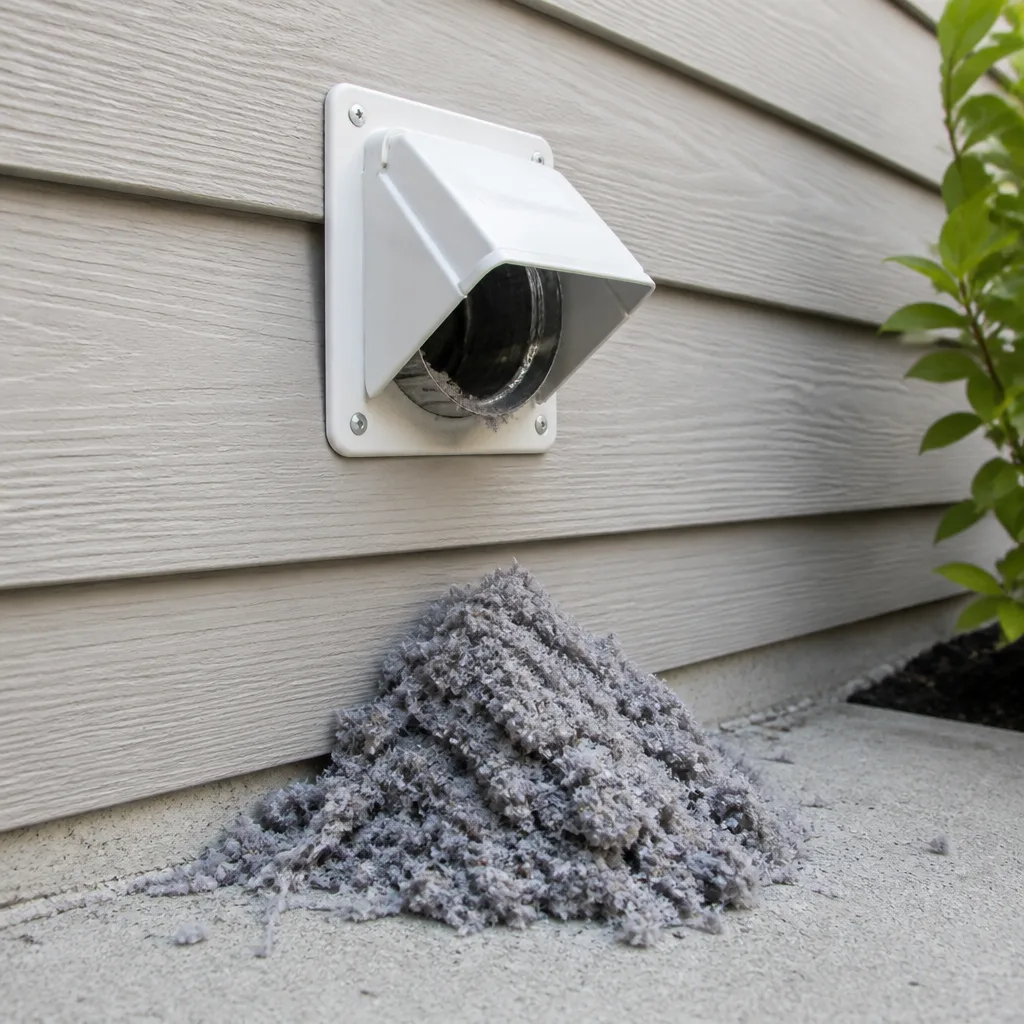 Dryer vent cleaning
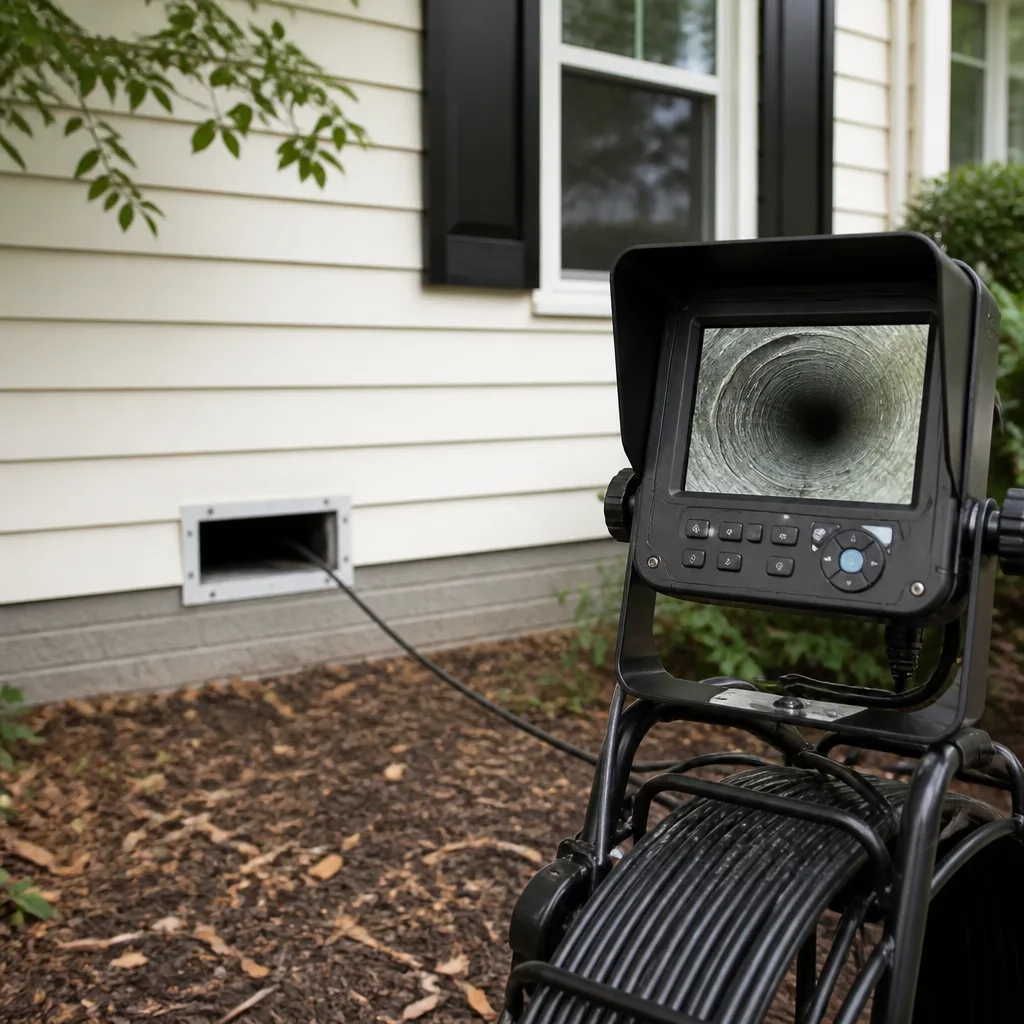 Camera inspection
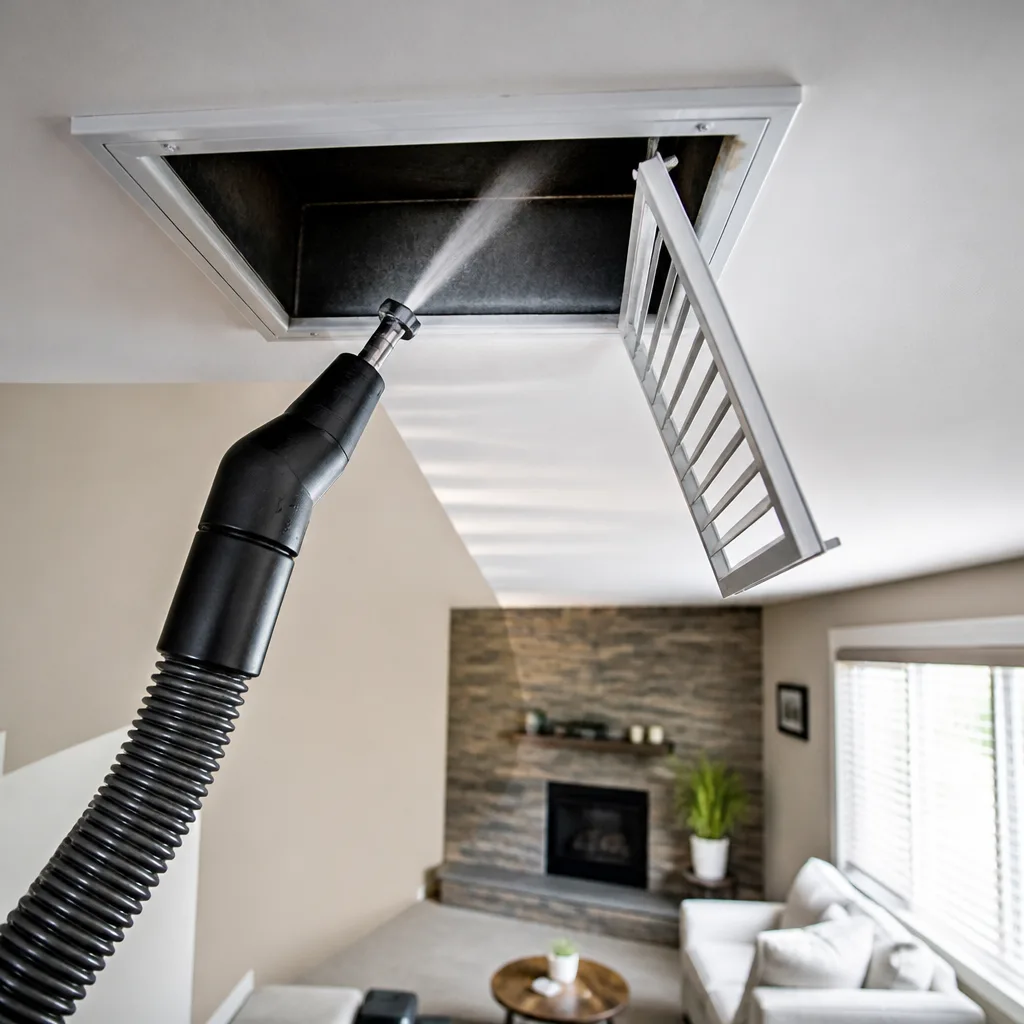 Sanitizing & deodorizing
Whole-system duct and dryer vent check with before-and-after photos - you see exactly what came out of your vents
That "$99 whole-house special" is a bait ad - the real number appears once they are in your hallway, or the "clean" is a shop-vac at the register. We photograph the inside of your ducts before and after instead.
The Complete Guide to Air Duct Cleaning in Energy Corridor
Most air duct cleanings in Houston only address the supply ducts, leaving the return side, the air handler cabinet and the coil untouched. That’s like mopping half the floor and calling it clean. The problem is worse in the Energy Corridor than in most of the country, because the system that’s supposed to filter your air runs nine months of the year in high humidity, pulling in whatever is in the air outside. In this guide we’ll walk through what a complete cleaning actually involves, component by component, what NADCA’s ACR standard requires versus what a cut-rate service delivers, and the red flags specific to Energy Corridor homes built in the 1980s through the 2000s.
Quick Answer
A complete air duct cleaning in Energy Corridor means cleaning every component that moves air through your home: supply ducts, return ducts, the air handler cabinet, the evaporator coil, the drain pan and the registers, using mechanical agitation tools rather than vacuum alone. In this climate, that work usually needs doing more often than the national guidance of three to five years, because the AC runs so much and the humidity feeds biological growth. A written estimate should lay out exactly which components are covered before any work starts.
Styles & brands we work with
- Whole-home duct cleaning
- Dryer vent cleaning
- Camera inspection
- Sanitizing & deodorizing
Table of Contents
- Why Energy Corridor’s Climate Accelerates Duct Problems
- The Full System Map: What Gets Cleaned and What Gets Skipped
- What the NADCA ACR Standard Requires vs. a $99 Service
- Mechanical Agitation vs. Contact Vacuum Only
- Red Flags in Energy Corridor Homes Built in the 1980s-2000s
- How Much Does Air Duct Cleaning Cost in Energy Corridor?
- How a Complete Cleaning Works, Step by Step
- How Often Does It Really Need Doing?
Why Energy Corridor’s Climate Accelerates Duct Problems
Houston’s subtropical humidity and long cooling season put more strain on a duct system than the national averages that most cleaning advice is based on. Your air conditioner does two jobs at once: it cools the air and it pulls moisture out of it. In the Energy Corridor, that second job runs hard from spring well into fall, which means the evaporator coil stays wet for much of the year. A wet coil is a surface where dust and biological growth collect, and that growth then gets carried downstream into the ducts.
Heavy runtime compounds it. A house that cools from April through October is moving far more air through its ducts than a comparable home in a milder climate. More air volume means more dust loading on the return grilles and more opportunity for debris to settle on the duct floor. When the system cycles off, that settled dust picks up moisture from the humid air and cakes onto the liner. Over a few cooling seasons it can build into a sticky layer that no vacuum alone will remove.
There’s also the outdoor air side. The Energy Corridor sits in one of the busier industrial corridors on the Gulf Coast, and the outdoor air that gets drawn into your return carries fine particulates that your filter is only partly designed to catch. That makes filtration and duct condition a two-part problem: better filtration slows the loading, but it doesn’t clean what’s already there. We find that homeowners in this part of Houston often need the full system addressed together, which is why we treat Air Duct Cleaning Energy Corridor as an indoor air quality service rather than a one-time vacuum job.
The Full System Map: What Gets Cleaned and What Gets Skipped
Think of your HVAC system as one connected loop, not a set of separate ducts. Air leaves the air handler, travels through the supply ducts to the registers, mixes with room air, and returns through the return grilles back to the air handler to start again. Every part of that loop touches the air you breathe, so a cleaning that stops halfway leaves contamination circulating. Here’s what a complete job covers:
- Supply ducts: The lines that carry conditioned air from the air handler out to each room. These are what most cleaners focus on, and they’re only part of the picture.
- Return ducts: The larger ducts that bring room air back to the air handler. They carry the dirtiest air in the system and are the most commonly skipped component.
- Air handler cabinet: The metal box that houses the blower and coil. Dust and debris collect on its interior surfaces and can be pulled straight into the supply side.
- Evaporator coil: The wet, finned coil where cooling and dehumidification happen. A soiled coil loses efficiency and becomes a site for biological growth.
- Drain pan: The pan under the coil that catches condensate. Standing water and biofilm here are a frequent source of musty odors.
- Registers and grilles: The visible vents in each room. They collect dust on the fins and need separate attention.
The reason this matters is simple. If a cleaner vacuums only the supply runs, the return side keeps feeding debris into the system and the wet coil keeps seeding growth. You’ve paid to clean half a loop. In our experience, the musty-smell complaints we hear from Energy Corridor homeowners almost always trace back to the coil, drain pan or return side, not the supply ducts they can see.
What the NADCA ACR Standard Requires vs. a $99 Service
NADCA’s ACR standard (Assessment, Cleaning and Restoration of HVAC systems) is the recognized industry benchmark for what a proper cleaning involves. It calls for a documented assessment before work begins, source removal of contaminants rather than merely redistributing them, cleaning of all system components that come into contact with the air stream, and verification afterward. Source removal is the key phrase: the goal is to physically remove debris from the system and take it out of the house, not to blow it around.
A very low advertised price usually delivers something narrower. Common shortfalls include:
- Supply ducts only, with the return side, air handler and coil left alone.
- Contact vacuuming through the registers with no agitation tools or access cuts into the ductwork.
- A quick pass over the visible vents rather than a full run from register to air handler.
- No assessment before the work and no verification after, so there’s no record of what was actually done.
- Add-on charges introduced once the technician is on site, turning a small advertised number into a much larger invoice.
We don’t work that way. The local professional we connect you with agrees one flat price per system before any work starts, so the written estimate is the number you pay. There’s no per-vent pricing and no teaser figure that changes once the equipment is in the driveway. You also get before-and-after photos of your own ducts, which is the clearest way to know the work was actually done. For a deeper dive into what shows up on those inspections, see the air duct cleaning overview.
Mechanical Agitation vs. Contact Vacuum Only
The single biggest difference between a thorough cleaning and a surface one is the method used to loosen debris. Contact vacuum only means running a hose against the duct surface and pulling what it can reach. It removes loose dust from the bottom of the duct but leaves the caked layer adhered to the walls. Mechanical agitation means using rotating brushes and whips to physically break that layer free while a vacuum captures it. That distinction decides whether the ducts are actually clean or just look cleaner from the register.
Professional systems like Rotobrush and Nikro are built for mechanical agitation. They combine a rotating brush head on a flexible shaft with high-powered negative pressure, so the brush scrubs the duct walls while the vacuum pulls the loosened debris into a collection unit outside the living space. That’s what “source removal” looks like in practice. Consumer-grade shop vacuums and long wands can’t replicate it, which is why we invest in professional equipment rather than shortcuts.
Here’s how a full mechanical cleaning usually runs:
- Assess the system. Check duct condition, airflow, filter condition and any visible growth or damage before work begins.
- Set up negative pressure. Connect a high-powered vacuum to the system and seal registers so loosened debris is pulled out rather than into the rooms.
- Agitate each run. Work a rotating brush or whip through every supply and return section, breaking debris free from the duct walls.
- Clean the air handler and coil. Open the cabinet, clean the blower, the evaporator coil and the drain pan as separate components.
- Sanitize where needed. Treat system surfaces with products like Abatement Technologies and Guardsman when assessment shows biological growth or contamination.
- Verify and document. Photograph the before and after, confirm airflow, and confirm the filter is correctly seated before finishing.
Filtration is the natural follow-up. We work with Honeywell and Aprilaire filtration solutions so the system stays cleaner between cleanings, and we address any leaks or gaps through Duct Repair & Sealing. Cleaning the system and then sealing it is how you make the result last, rather than watching it load up again within a season.
Red Flags in Energy Corridor Homes Built in the 1980s-2000s
A lot of Energy Corridor housing went up in the 1980s through the 2000s, and that construction era has a specific set of duct problems worth knowing. The most common is duct liner degradation. Many homes from that period used internal fiberglass liner for acoustic and thermal control in the air handler and main trunk. Over decades of hot, humid cooling cycles, that liner can fray, shed particles into the air stream, and trap moisture against the metal. When it starts breaking down, no amount of cleaning fixes it: the liner itself has to be addressed, and cleaning without addressing it just disturbs particles that keep coming back.
Other signs to watch for in a home of this age:
- Musty or sour odor when the air first comes on. That’s often biological growth on the coil or biofilm in the drain pan, not just dust.
- Uneven airflow between rooms. It can point to disconnected or crushed flexible duct in the attic, or to a return sizing problem rather than dirt.
- Visible debris or dust streaks at the registers, which suggests the duct walls have lost their smooth surface.
- Filter loading too fast. A filter that clogs in weeks rather than months often means debris is being shed somewhere in the system.
- High utility bills with no change in habits. A soiled coil and leaking ducts can both push runtime up without any obvious cause.
If those signs are present, a proper assessment comes before a cleaning. We find what’s causing the problem, not just what’s visible, and that means checking the liner, the seals and the coil rather than assuming new filtration will solve it. Cleaning a degraded liner and leaving it in place is how people end up paying for the same job twice.
How Much Does Air Duct Cleaning Cost in Energy Corridor?
Air duct cleaning in Energy Corridor typically costs between $350 and $900 for a whole-house system, depending on house size, how many runs there are, how accessible the ductwork is, and whether sanitizing or duct repair is needed. The written estimate sets the final price, and the number is agreed per system before any work starts. Any per-vent or teaser-coupon quote you see advertised is worth asking about in writing, because that’s where surprise charges come from.
Here’s a rough breakdown of what each part of a full job contributes:
- Supply and return duct cleaning: $350-$700 typical for a standard single-family system.
- Air handler, blower and coil cleaning: $150-$350, adding real value in this climate because the wet coil is the growth site.
- Sanitizing and contamination treatment: $100-$250, typically when assessment finds biological growth or odor.
- Duct repair and sealing: priced per job once the leaks and disconnected runs are identified.
- Dryer vent cleaning: a separate service usually in the $100-$200 range for a single vent run.
Why do some quotes come in far lower? Usually because they cover supply ducts only, skip the coil and air handler, or add charges once on site. The cheapest quote is the one that leaves out the components you can’t see. A whole-system quote that lists every component is the only one you can fairly compare. Call (855) 726-7308 for an exact quote, and the estimate is free.
How a Complete Cleaning Works, Step by Step
A complete cleaning on a typical Energy Corridor home takes a few hours and follows the same sequence every time. Here’s what a proper job looks like from the homeowner’s side:
- Assessment and written estimate. We inspect the system, note duct type, liner condition, coil condition and any leaks, and put one flat price per system in writing.
- Protection and pressure setup. Registers are covered and a high-powered vacuum is connected so debris leaves the house rather than settling in it.
- Agitation of every run. Rotating brush and whip tools work through supply and return ducts, scrubbing the walls while negative pressure captures what’s loosened.
- Component cleaning. Air handler blower, evaporator coil and drain pan are cleaned as separate items, since they’re where moisture-driven growth lives.
- Sanitizing where the assessment calls for it. Abatement Technologies and Guardsman products are used on surfaces showing growth, not as a default upsell.
- Sealing and repair. Gaps, disconnected joints and leaking seams are sealed so the cleaned system stays clean and the airflow stays where it’s meant to go.
- Verification with photos. You see before-and-after photos of your own ducts, along with any repair notes, before payment.
The dryer side deserves a mention too, because it’s a separate safety system. Lint accumulation in a dryer vent is a fire risk, not just an efficiency issue, and it’s worth having checked by a professional rather than ignored. Our dryer vent cleaning service handles that as its own job, and you can have it scheduled alongside a duct cleaning without calling another contractor. HVAC system cleaning works the same way: the blower, coil and cabinet get cleaned as part of the same visit when the scope calls for it.
How Often Does It Really Need Doing?
For most Energy Corridor homes, a full duct cleaning every three to five years is a reasonable baseline, but this climate pushes many households toward the shorter end of that range. The national guidance was written with average runtimes and average humidity in mind. Nine months of cooling in Houston’s humidity is not average, and the wet coil surfaces that come with it load up faster. Homes with pets, recent renovation, or occupants with respiratory sensitivities often need attention on a tighter cycle.
Signs it’s time, regardless of the calendar:
- Visible dust streaking at registers, or dust settling on surfaces shortly after cleaning.
- A musty smell when the air first comes on in the morning or after the system has been idle.
- Allergy symptoms that seem worse indoors than out, especially during the cooling season.
- A recent renovation that generated drywall dust, which travels straight into the return side.
- Utility bills climbing with no change in how the house is being used.
Rather than guess, have the system assessed. A written assessment tells you what state the ducts, coil and liner are actually in, which is a more useful answer than a fixed number of years. If it’s been long enough that you can’t remember the last cleaning, it’s worth a look.
Common Mistakes to Avoid
- Assuming a low price includes the whole system. A figure that covers supply ducts only will often balloon once the technician inspects the return side and coil. Ask in writing which components the price covers.
- Accepting a vacuum-only cleaning. Contact vacuuming leaves the caked layer on the duct walls untouched, and in Energy Corridor humidity that layer is exactly what re-feeds the problem. Insist on mechanical agitation and source removal.
- Skipping the evaporator coil and drain pan. These are the wettest surfaces in your system and the most common source of musty odors in this climate. Cleaning the ducts and leaving a soiled, damp coil defeats the point.
- Ignoring duct liner degradation in older homes. Many Energy Corridor houses built in the 1980s-2000s have internal liner that can fray with age. Cleaning without assessing it just disturbs particles that keep coming back.
- Treating sanitizing as a default upsell. Sanitizing should follow an assessment that finds biological growth, not arrive automatically with every cleaning. Ask why it’s recommended.
- Cleaning without sealing leaks. A cleaned system with open seams and disconnected runs pulls unconditioned attic air straight back in. Cleaning and sealing belong together.
- Overlooking the dryer vent. It’s a separate system and a distinct fire risk. It deserves its own check, not a vague mention in a duct cleaning quote.
See the difference
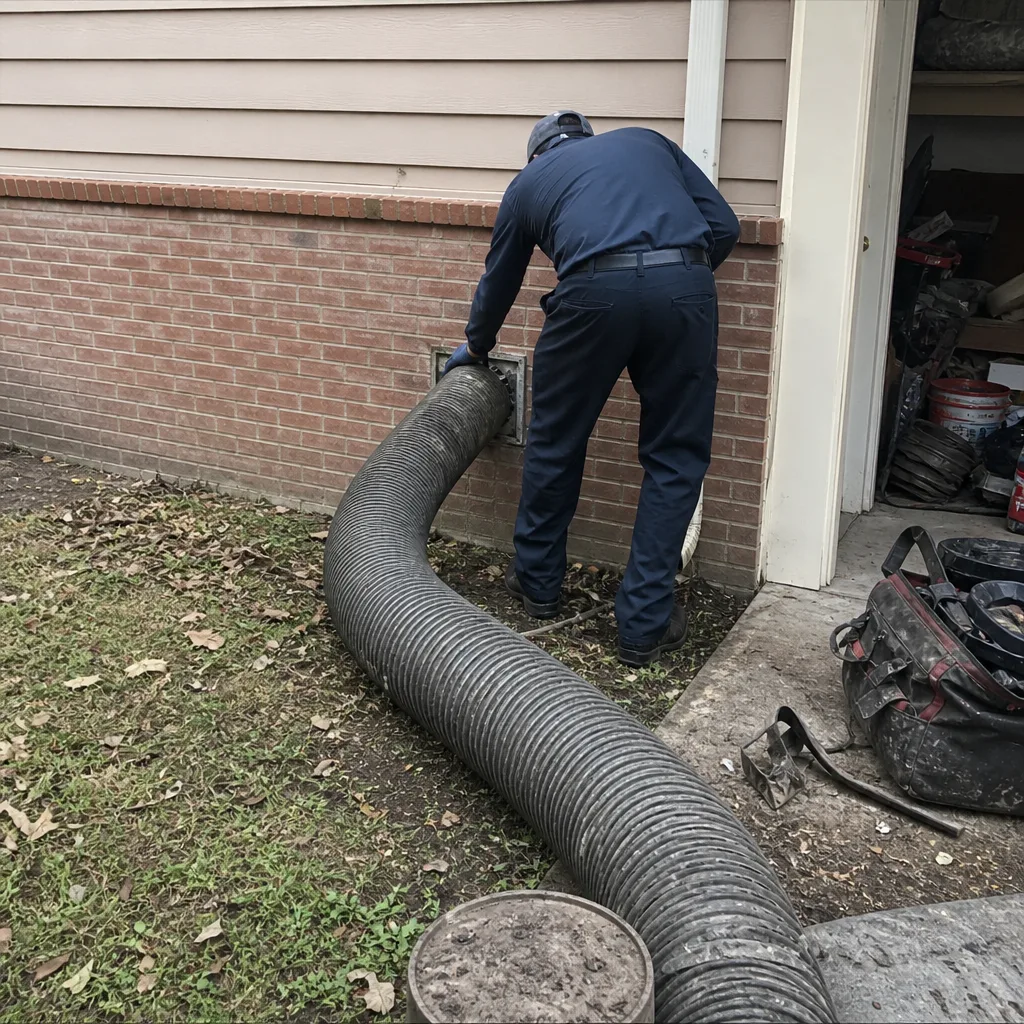 Before
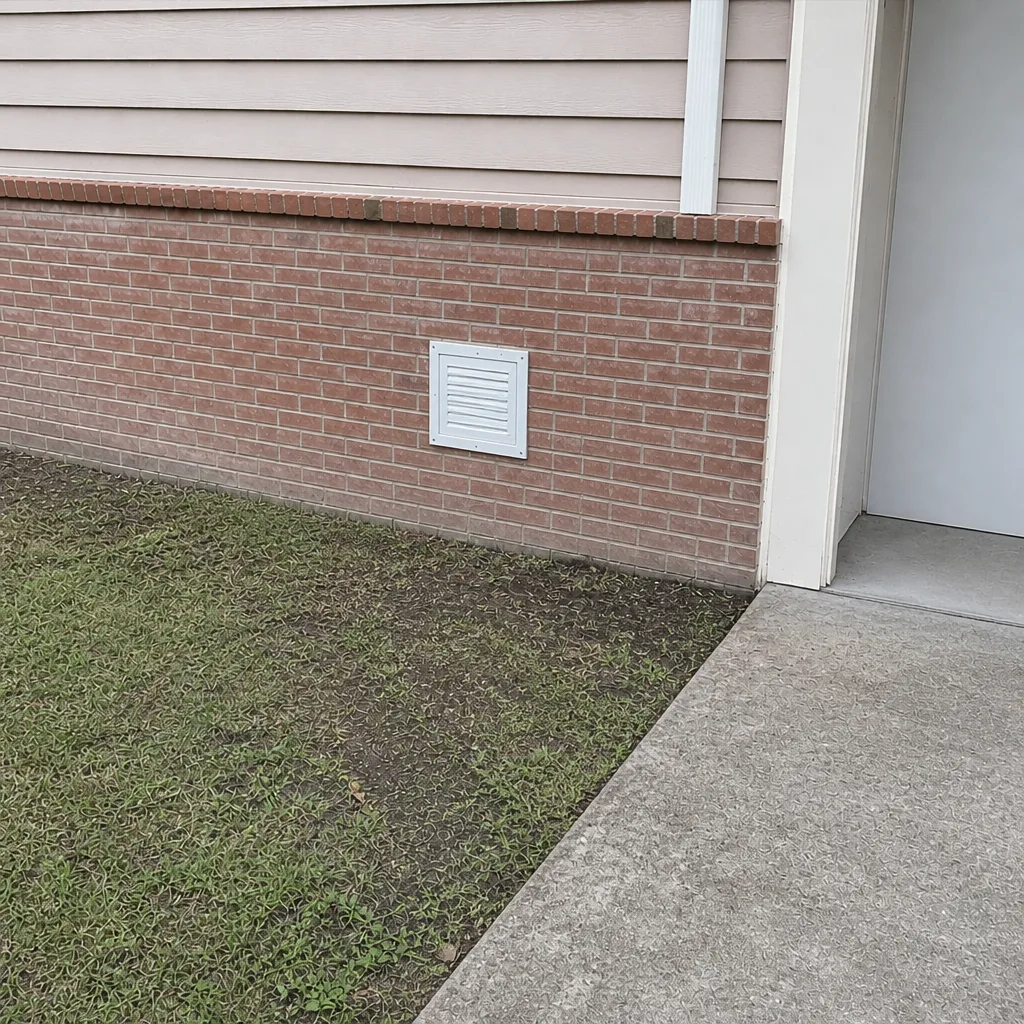 After
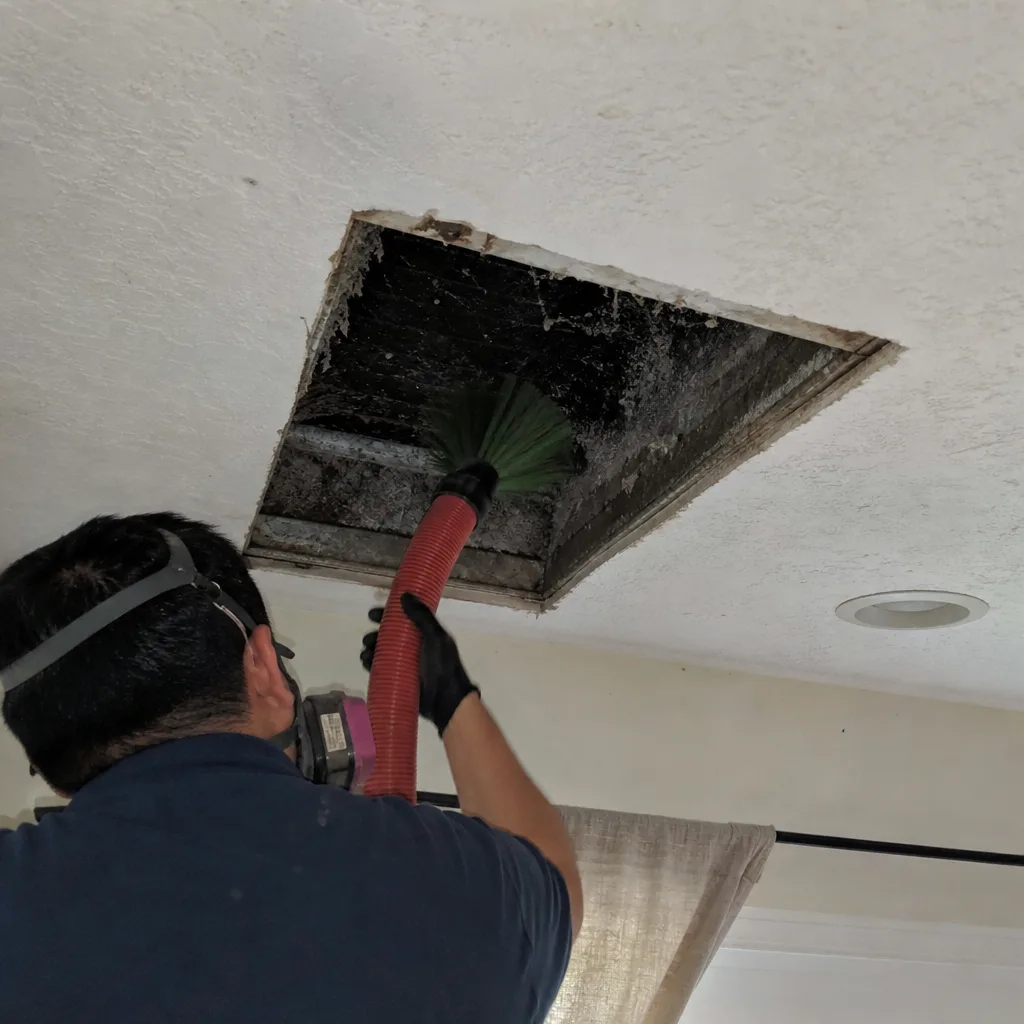 Before
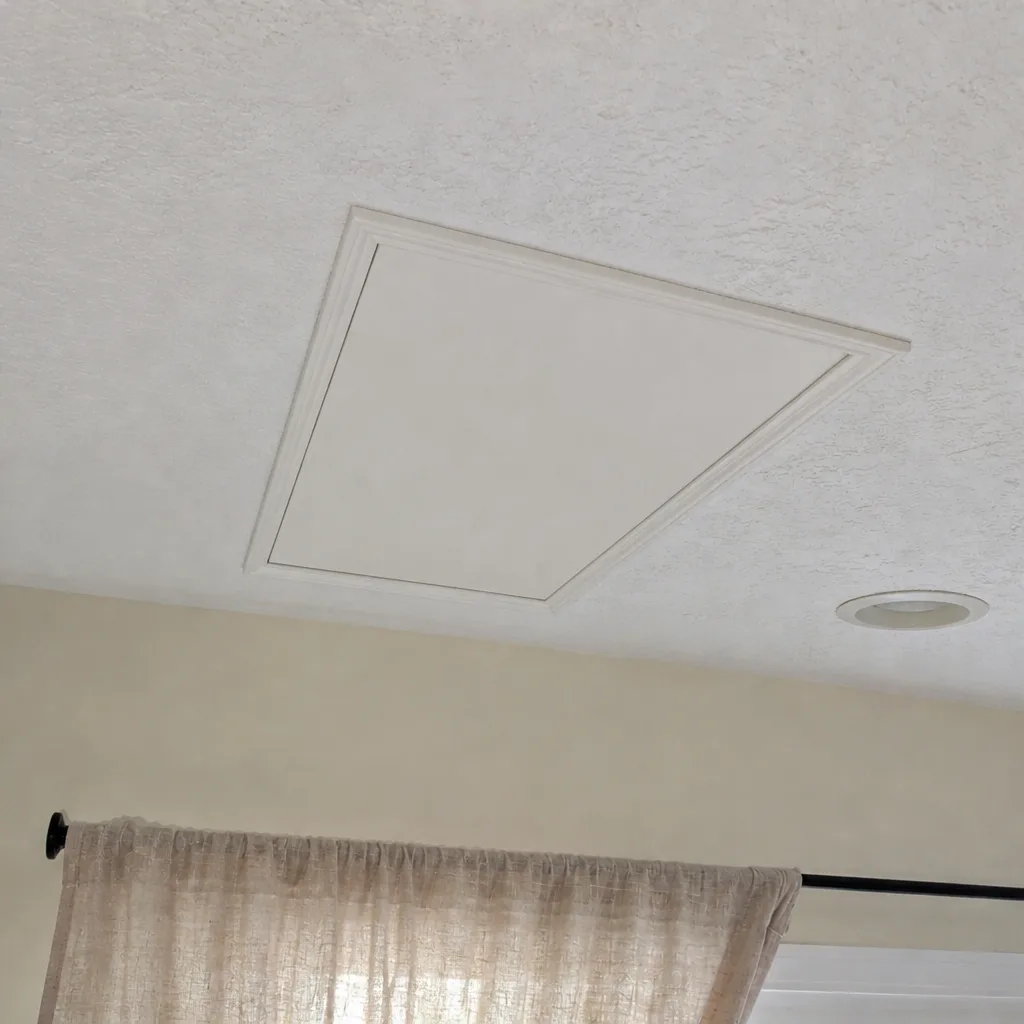 After
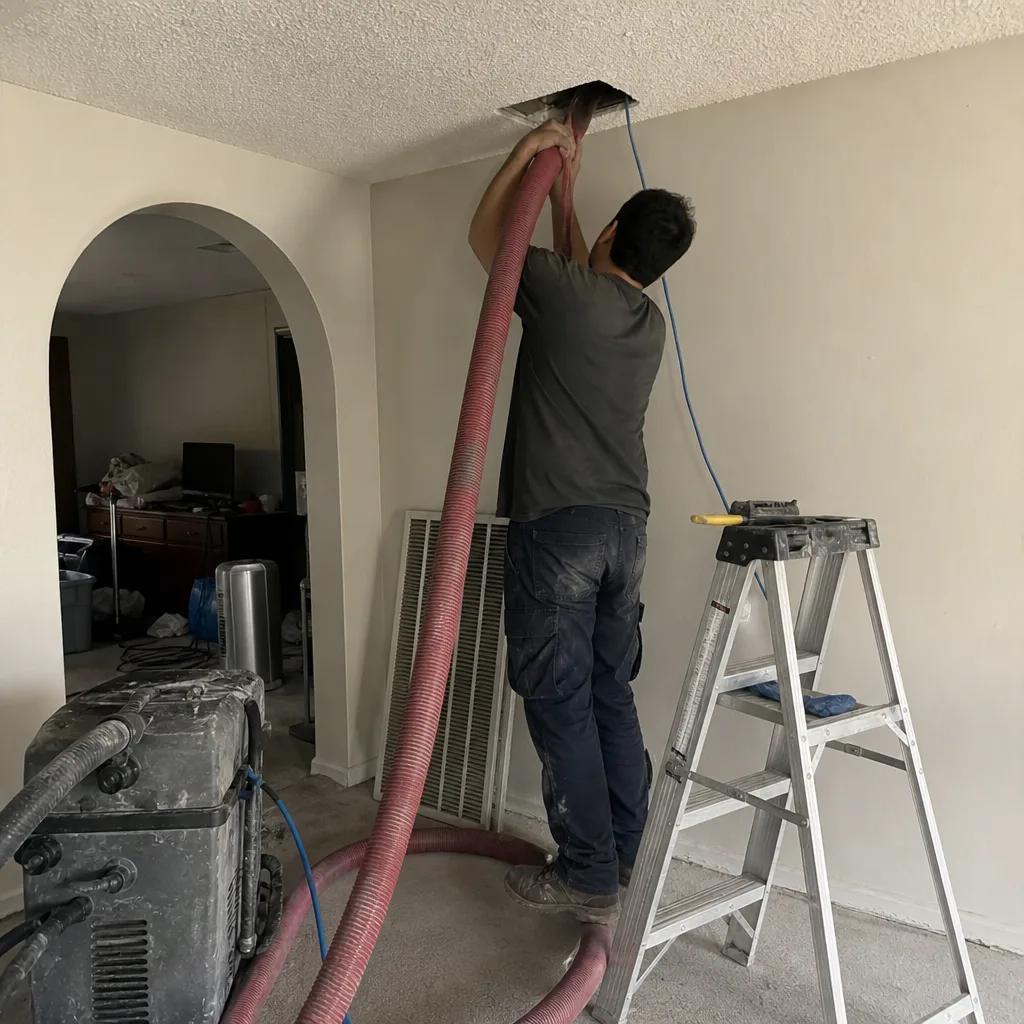 Before
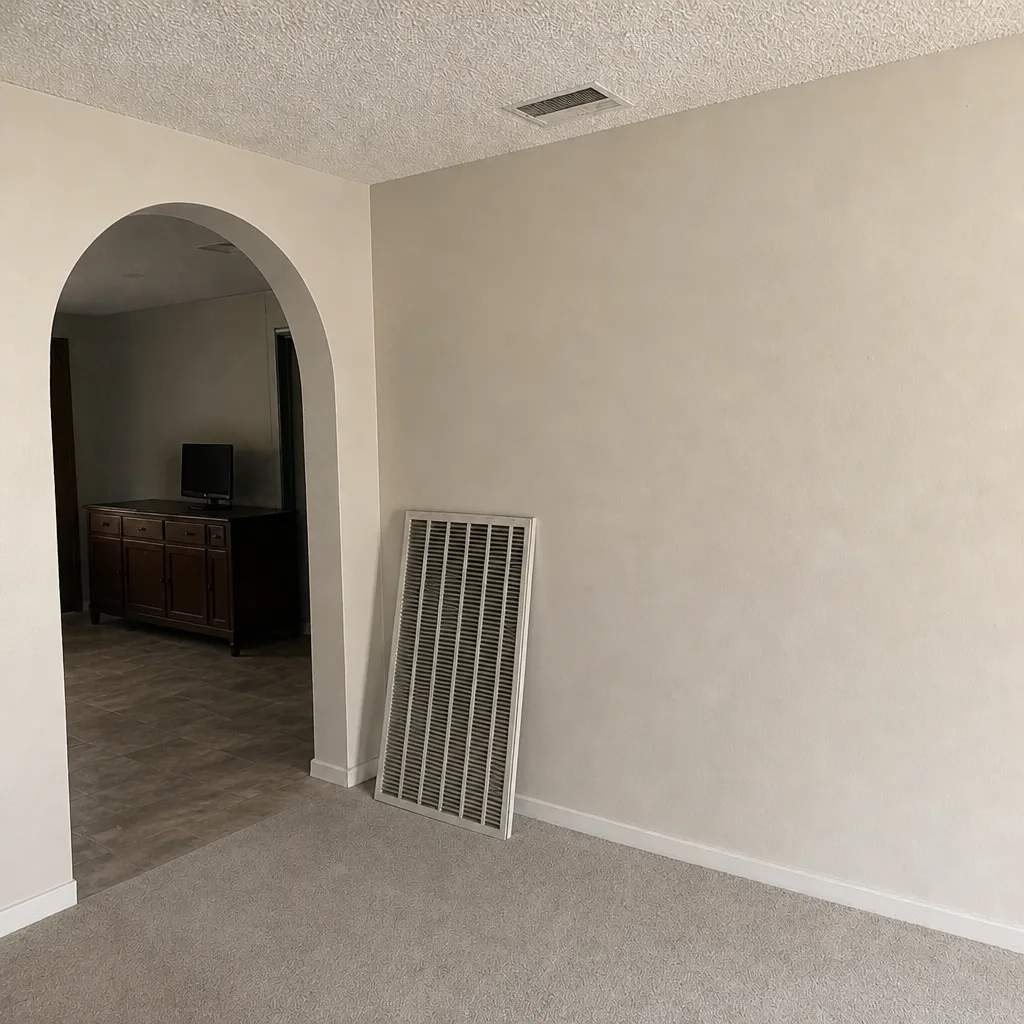 After
When to Call a Professional
Call a professional when the signs point to something beyond surface dust: a persistent musty smell that returns quickly after the air comes on, visible debris or liner particles at the registers, a filter that loads far too fast, or heating and cooling bills that climb without explanation. In Energy Corridor’s humidity, these often trace to the coil, drain pan or liner rather than the supply ducts, and those are components you can’t assess from the vent. If you’ve never had the system inspected, or you can’t remember the last cleaning, that’s reason enough to get a written assessment before deciding on anything. Air Duct Cleaning Energy Corridor offers free estimates in Energy Corridor. Call (855) 726-7308. We answer 24/7. Fast dispatch from 7am to 7pm, Sunday through Friday. Our technicians have up to 15 years of experience, and the local pro is licensed and insured as their state requires.
Frequently Asked Questions
Air duct cleaning in Energy Corridor typically costs $350-$900 for a whole-house system, with the exact figure depending on house size, how many runs there are, and whether sanitizing or duct repair is included. The written estimate sets the final price, agreed per system before any work starts, so there’s no per-vent pricing or surprise charge on the day. Call (855) 726-7308 for an exact quote, and the estimate is free.
Cheaper quotes usually cover less: supply ducts only, no return side, no air handler or coil cleaning, and no mechanical agitation. They may also start low and add charges once the technician is on site. The only fair comparison is a written quote that lists each component covered, because a low number that skips half the system means paying twice later.
Ask for before-and-after photos of your own ducts along with a written summary of what was cleaned. A proper job also includes a verification step at the end: airflow checked, filter correctly seated, and any repairs noted. If a cleaner can’t show you the condition of the system before and after, there’s no way to confirm what happened.
Every three to five years is a reasonable baseline, and many Energy Corridor homes lean toward the shorter end because the AC runs nine months of the year in high humidity. Homes with pets, recent renovation or allergy sufferers often need attention sooner. An assessment tells you what your specific system needs rather than relying on a fixed interval. Call (855) 726-7308 to book one, and the estimate is free.
Yes, when the odor is coming from the system, and in our experience in this climate it usually traces to the evaporator coil, the drain pan or the return side rather than the supply ducts. Cleaning those components and sanitizing where assessment finds growth is what resolves it. Cleaning the ducts alone often leaves the actual source untouched.
We cover five services under one roof: air duct cleaning, dryer vent cleaning, HVAC cleaning, air quality and sanitizing, and duct repair and sealing. That means one contractor for the whole indoor air quality chain rather than separate calls. You can reach us at (855) 726-7308. We answer 24/7. Fast dispatch from 7am to 7pm, Sunday through Friday.
The Bottom Line
A complete air duct cleaning in Energy Corridor is a system-level job: supply ducts, return ducts, air handler, coil, drain pan and registers, cleaned with mechanical agitation and removed from the home. The climate here makes it a higher priority than the national averages suggest, and the homes built in the 1980s-2000s carry their own risks in the form of duct liner degradation. The cheapest quote usually skips what you can’t see. One flat price per system, agreed before work starts, with before-and-after photos of your own ducts, is the way to know you got a real cleaning. Call (855) 726-7308. We answer 24/7. Fast dispatch from 7am to 7pm, Sunday through Friday. The estimate is free.
Written by the team at Air Duct Cleaning Energy Corridor.