
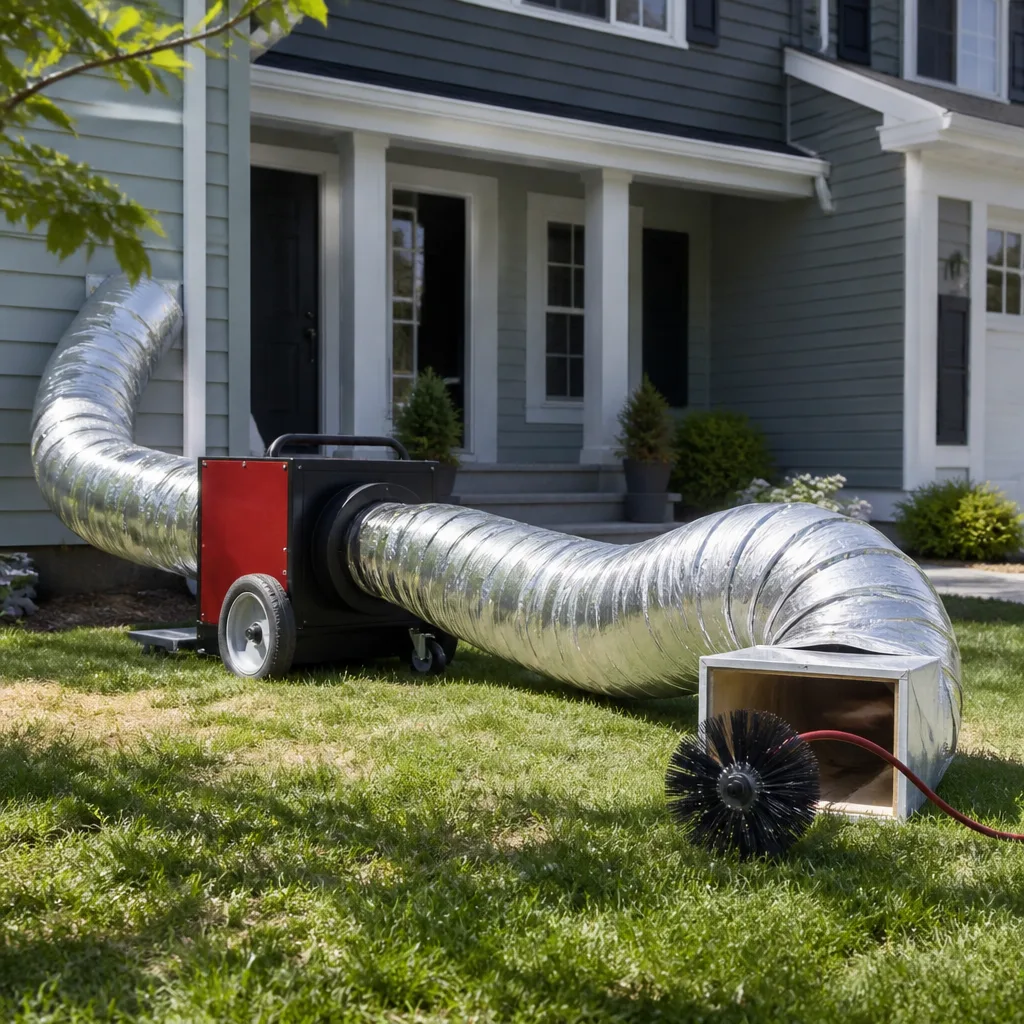
 Whole-home duct cleaning
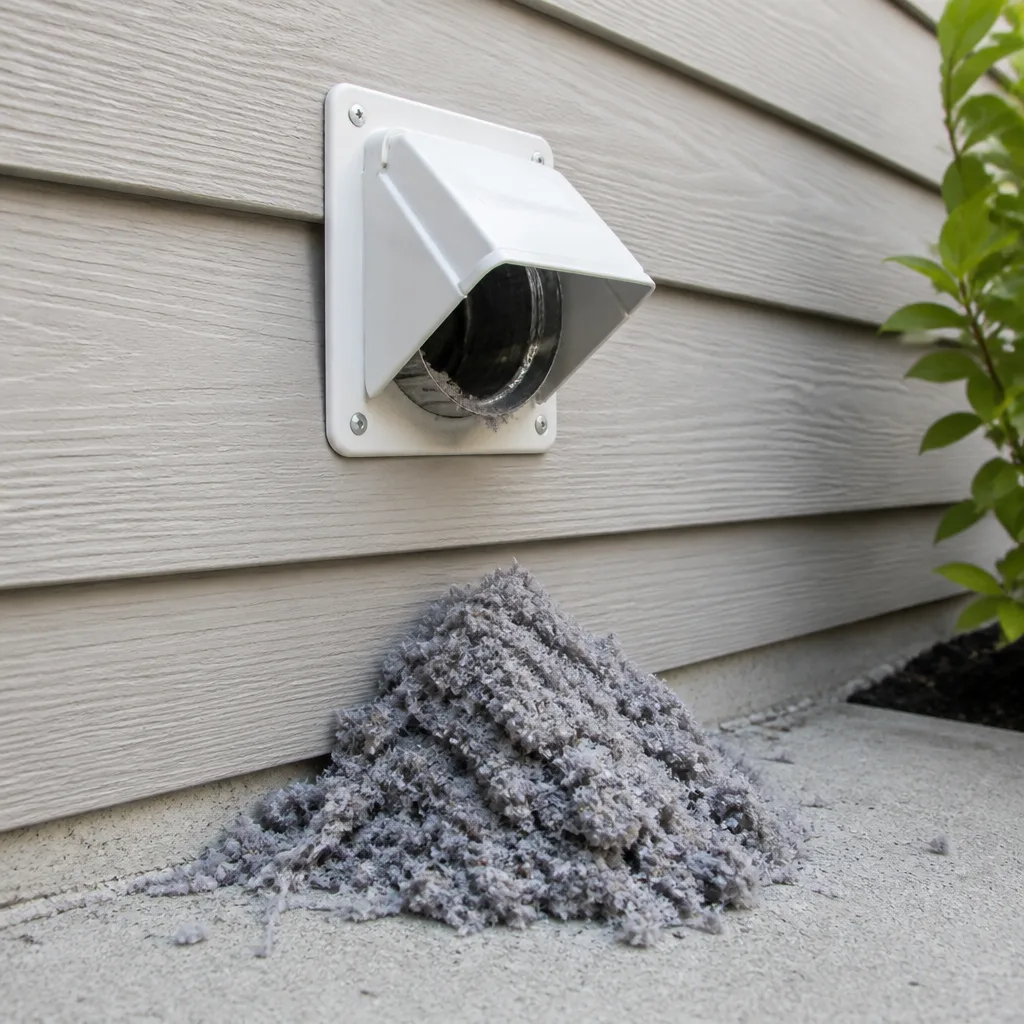 Dryer vent cleaning
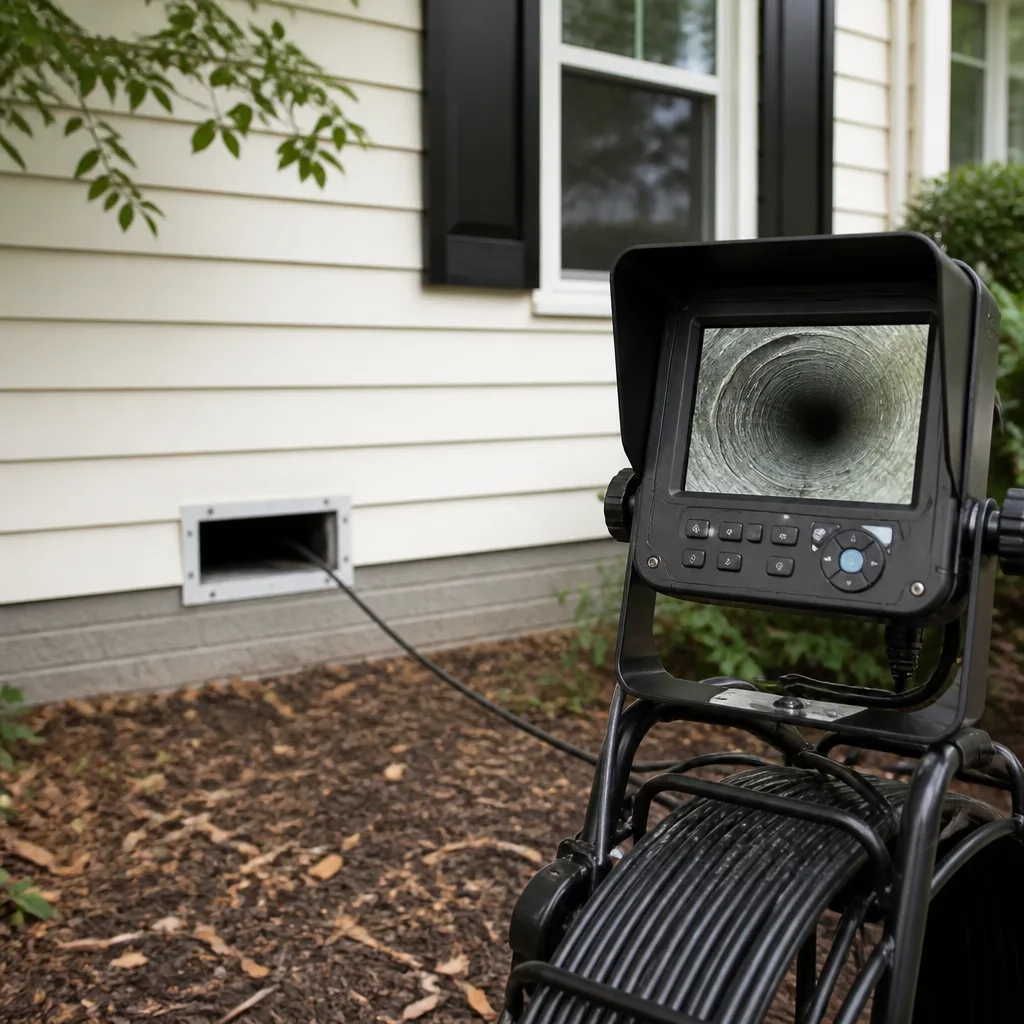 Camera inspection
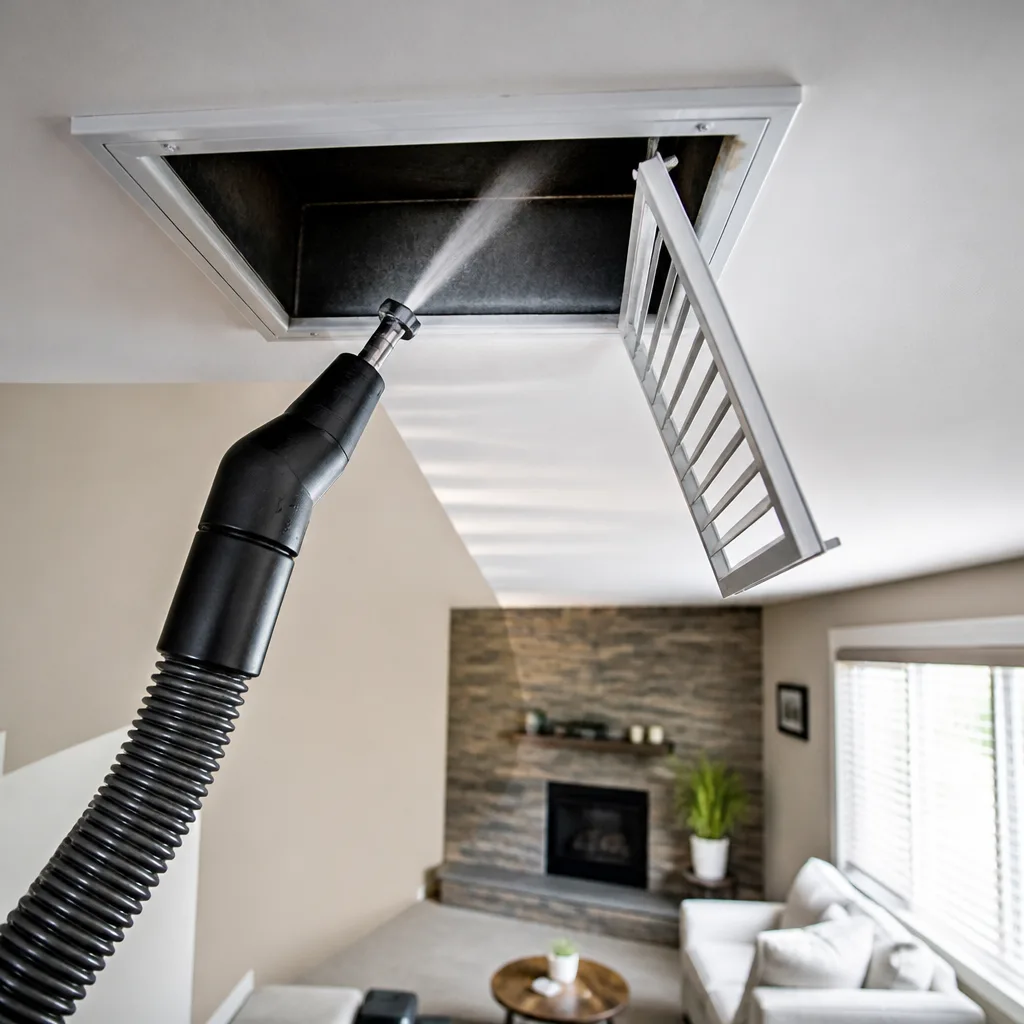 Sanitizing & deodorizing
Whole-system duct and dryer vent check with before-and-after photos - you see exactly what came out of your vents
That "$99 whole-house special" is a bait ad - the real number appears once they are in your hallway, or the "clean" is a shop-vac at the register. We photograph the inside of your ducts before and after instead.
Why Energy Corridor Homeowners Choose Trane Air Duct Cleaning
We provide independent Trane air duct cleaning and duct-system service in Energy Corridor, TX. What makes our Trane work different is that we treat the duct system and the air handler as one machine: we clean the ducts, video-inspect the runs, seal the leaks that pull attic air into the supply, and clean the coil and blower while the system is open. We’re an independent Trane service provider, not a manufacturer-authorized agent, and Air Duct Cleaning Energy Corridor is not affiliated with or endorsed by Trane. Our technicians have up to 15 years of experience, and we’ve spent much of that time inside Trane air-handler closets and attic duct runs in Energy Corridor’s humid, slab-foundation housing. Call (855) 726-7308 for a free estimate.
Why Trust Air Duct Cleaning Energy Corridor for Your Trane Air Duct Cleaning?
We know how Trane equipment is actually built and how it fails in this climate. Trane’s air handlers and duct configurations show specific, repeatable patterns: flex duct that kinks in a tight closet, plenum connections that were never mastic-sealed, coils that develop micro-leaks over years of thermal cycling. We look for those patterns first, because fixing what’s causing the problem beats vacuuming what’s visible.
Our technicians work on Trane systems often enough to recognize when a symptom points to the ducts and when it points to the equipment itself. That matters when a customer has already been told they need a new system. We use quality parts that fit Trane equipment, and we follow practices that keep your warranty intact: we don’t alter factory components, we don’t cut corners on sealing that affects airflow and static pressure, and we document what we find with before-and-after photos so you can see the work.
We also carry the professional equipment the job requires. Rotobrush and Nikro duct cleaning systems, Abatement Technologies and Guardsman sanitizing products, and Honeywell and Aprilaire filtration solutions. Professional equipment, not shortcuts. That’s the standard we hold on every Trane job in Energy Corridor, whether it’s a single-family home or a mid-rise along the I-10 corridor.
Styles & brands we work with
- Whole-home duct cleaning
- Dryer vent cleaning
- Camera inspection
- Sanitizing & deodorizing
Common Trane Air Duct Cleaning Problems We Fix in Energy Corridor
These are the failure modes we find most often on Trane systems in Energy Corridor. They aren’t random. Each one traces back to how the equipment is installed and how the local climate stresses it.
- Flex duct sag and kinks in Trane S-Series air-handler closets. Flexible duct runs in tight closets kink or sag when they’re not supported properly. That reduces airflow and raises static pressure, which can trip the unit’s limit switch and leave rooms that never quite cool. In Energy Corridor’s hot attics, the duct itself also degrades faster, so sagging runs get worse over a few summers.
- Evaporator coil micro-leaks on Trane XR-series systems. Vibration and thermal cycling stress the brazed U-bends, and small leaks develop over time. The first sign is usually low refrigerant charge and a frozen suction line, not a visible puddle. Owners often assume it’s a duct problem when it’s actually the coil losing charge.
- Return duct chases without proper mastic sealing. Many Trane installations have a plenum-to-return connection that was never sealed correctly. That gap draws attic or garage air straight into the system, which means you’re cooling air you didn’t intend to cool and pulling in dust, humidity, and whatever else is in that space. Gulf Coast humidity makes this worse: moist attic air entering the return feeds condensation and microbial growth inside the system.
- Blower wheel imbalance on Trane XV variable-speed blowers. Dust builds unevenly on the blower wheel, and on a variable-speed unit that imbalance shows up as noise and erratic CFM delivery. The system is trying to hit a target airflow it can’t reach cleanly. It’s a duct-and-equipment problem at the same time.
- Long attic flex-duct runs that separate at the collars. Standard configuration here is an attic-mounted air handler with long flex-duct runs. Those runs pull apart at the collars as the duct ages and the attic heat does its work, and every separation is a leak pulling hot attic air into the supply. Video inspection is the only reliable way to find them all.
Trane Parts & Our Repair-vs-Replace Approach
For critical components like blower wheels and coil assemblies, we use OEM Trane parts when they’re available. For repairs where performance and code compliance are met, we use quality aftermarket flex duct, mastic, and insulation. We don’t claim to stock or carry genuine Trane parts, and we’re not a Trane dealer. We’re an independent service provider that works on Trane equipment and uses the right parts to keep it running correctly.
The repair-or-replace decision is where we’re most direct with customers. If the air handler is over 12 years old and the coil is leaking, replacement often beats repeated repairs. You’re putting money into a system that’s near the end of its useful life, and another leak or blower failure is likely soon. If the equipment is younger or the problem is a duct issue, repair usually wins. We tell you which side of that line you’re on and why. Call (855) 726-7308 for a free estimate and we’ll walk you through it.
Our Trane Service Process – Step by Step
- 1
Diagnosis. We start with a video inspection of the duct system, then check the air handler: coil condition, blower cleanliness, static pressure, and refrigerant charge where it applies. On Trane systems, static pressure tells us a lot about whether flex duct is kinked or a plenum is leaking, and it points us to the right service before we touch anything.
- 2
Repair or install. Based on what we find, we clean the system, seal the leaks with mastic, repair separated runs, clean the evaporator coil and blower, or replace components that are failing. If it’s a replacement, we match the part to the Trane equipment it fits.
- 3
Test. We recheck static pressure and airflow after the work, and we verify the system is holding what it should. You get before-and-after photos of your own ducts and air handler so you know what changed.
- 4
Warranty. We keep your warranty intact by using parts that fit and following practices that meet manufacturer requirements. We document the work so there’s a record if anything comes up later.
A typical Trane system in a slab-foundation home here has flex duct runs in the attic that sag and separate at the collars, pulling hot attic air into the supply. A qualified pro uses video inspection to map the leaks, reseals the plenum and collars with mastic, and cleans the evaporator coil and blower while the system is open. The usual fix is duct sealing plus coil cleaning, not a full replacement.
See the difference
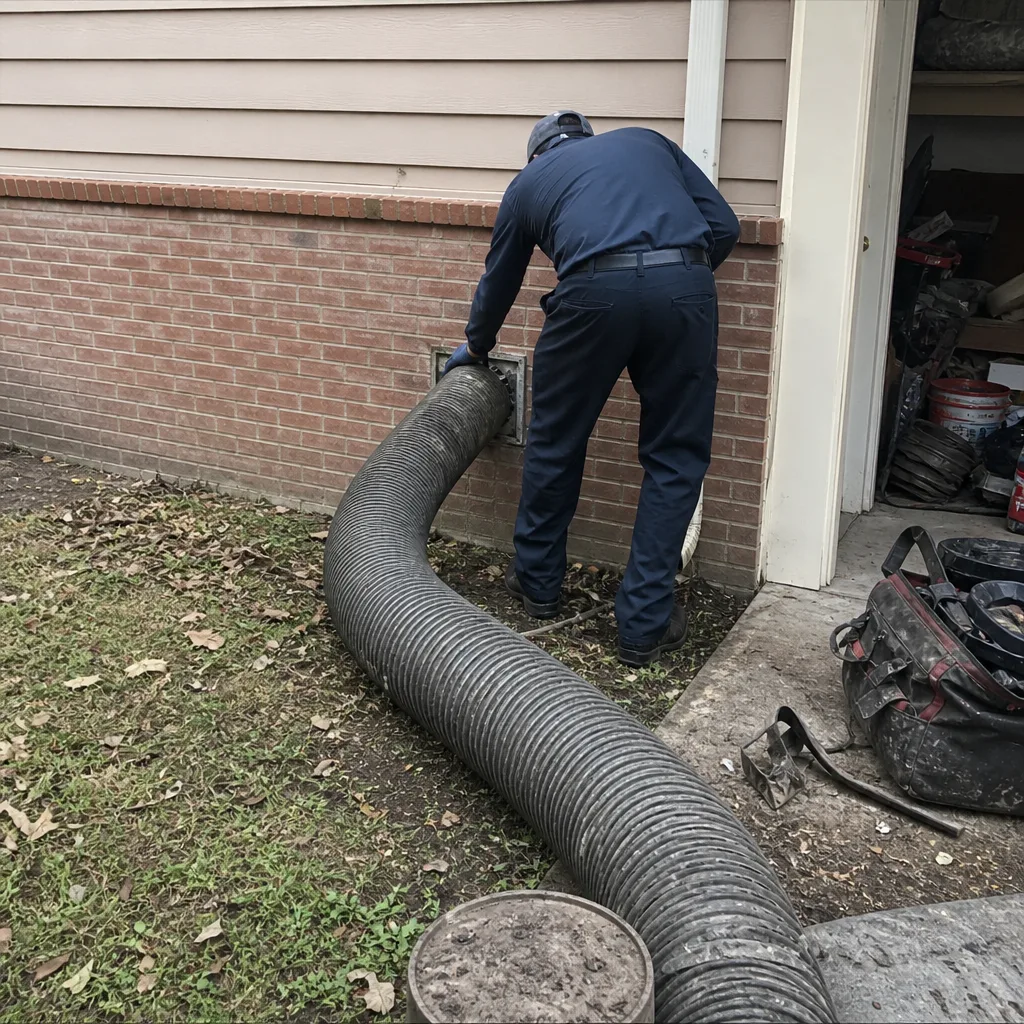 Before
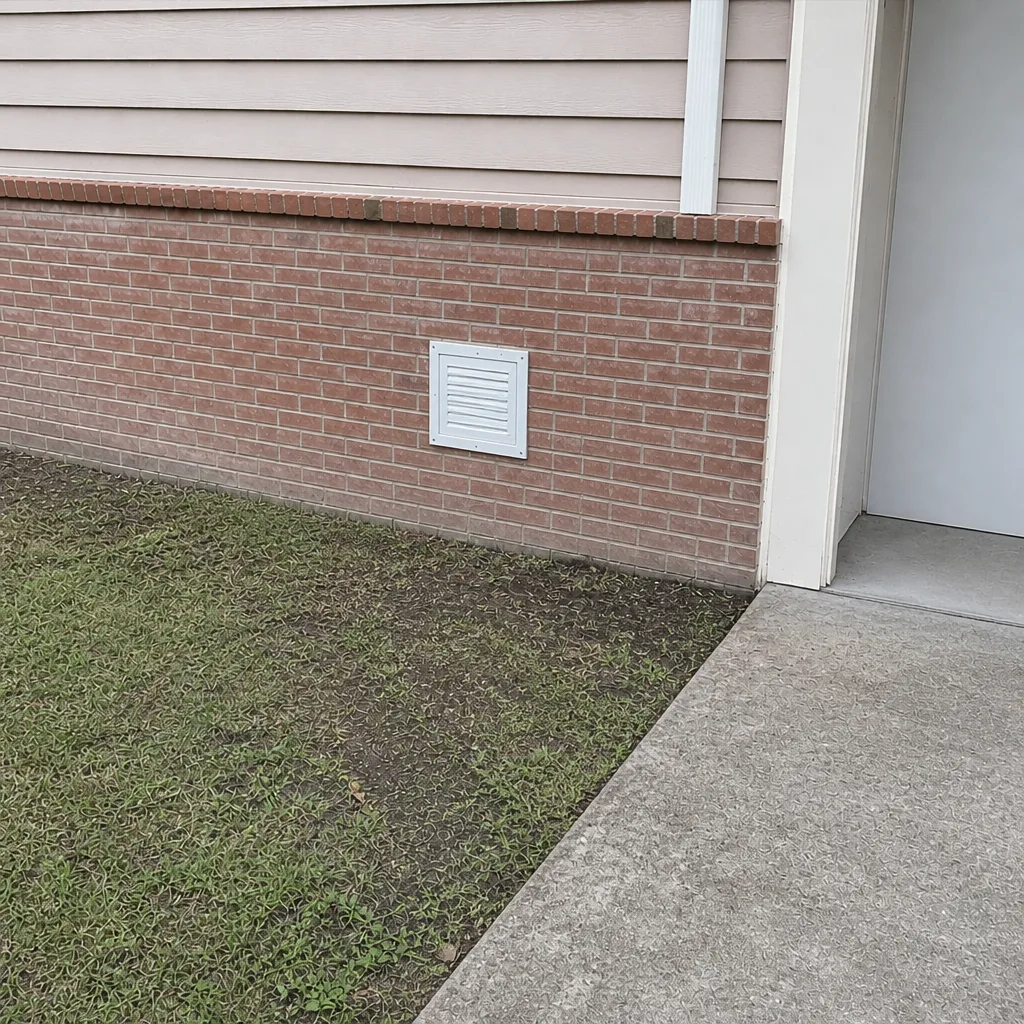 After
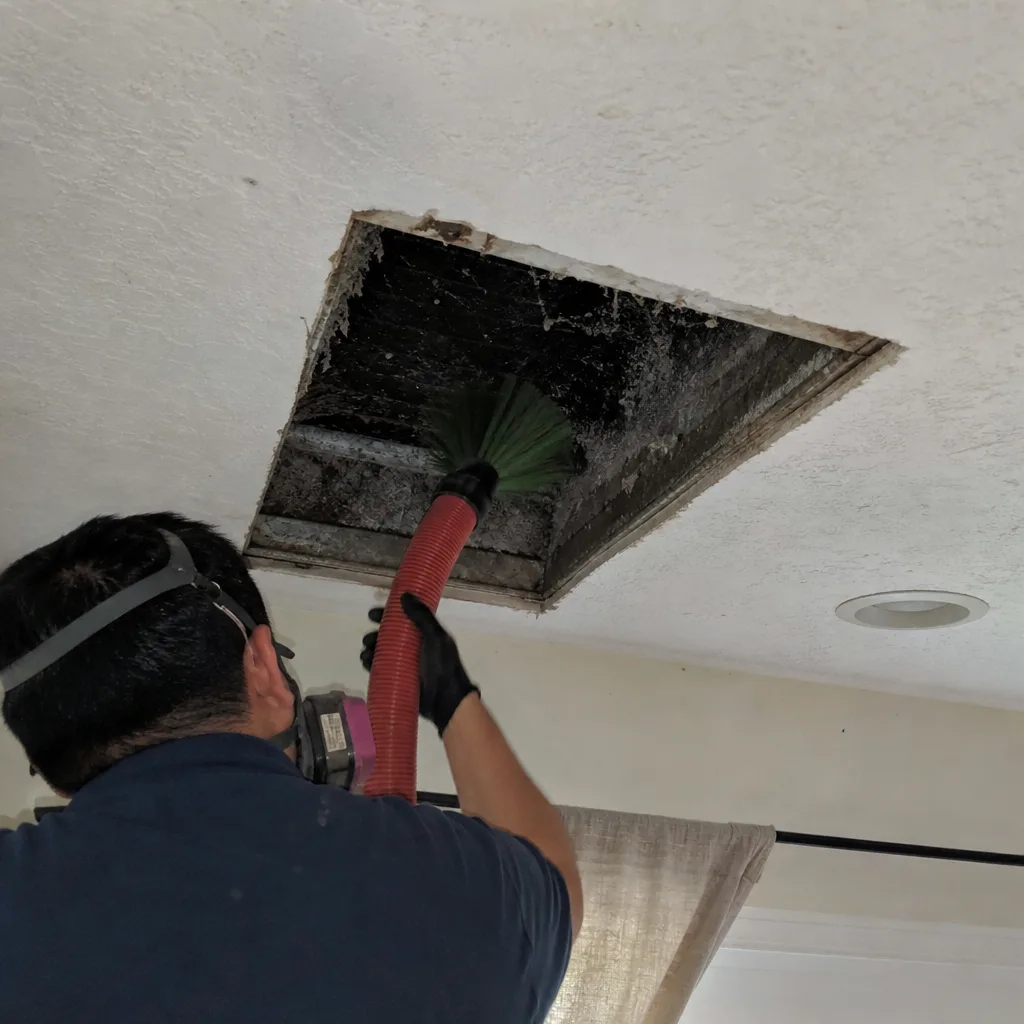 Before
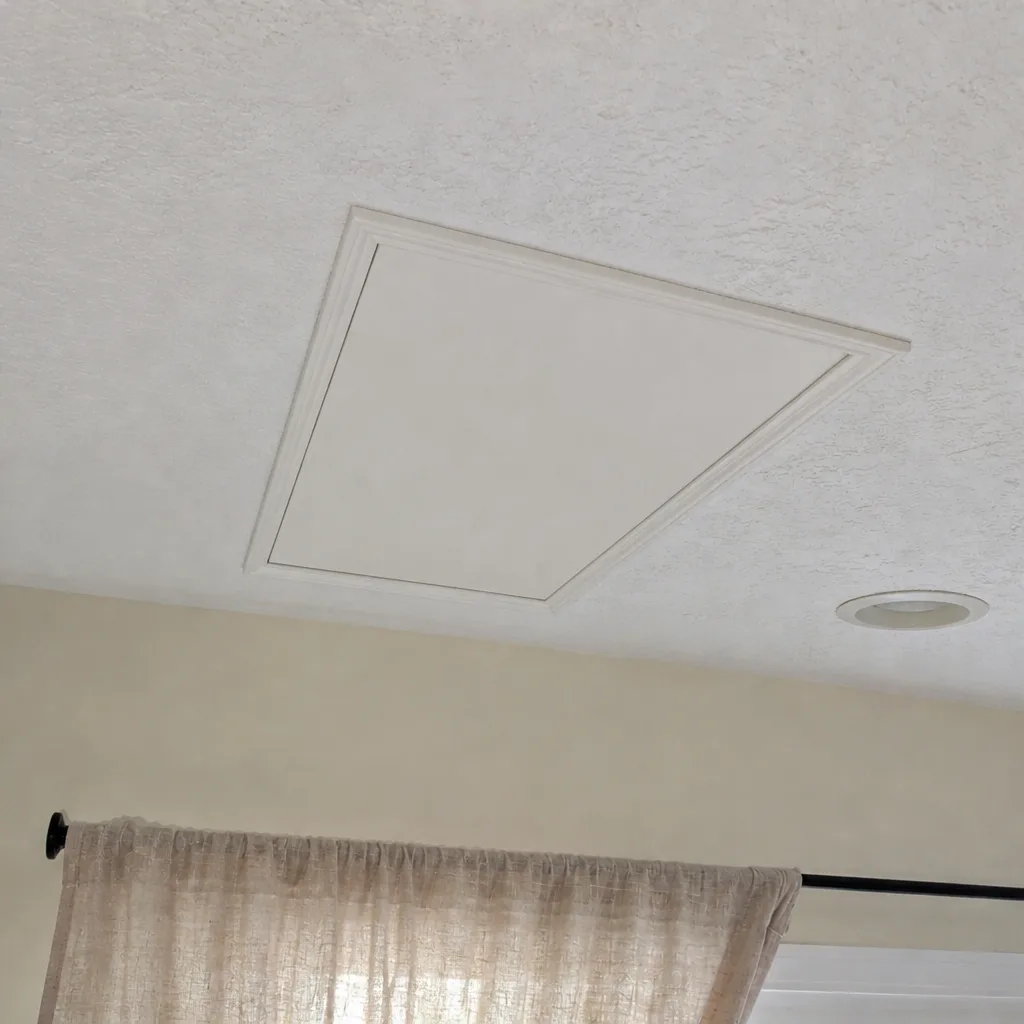 After
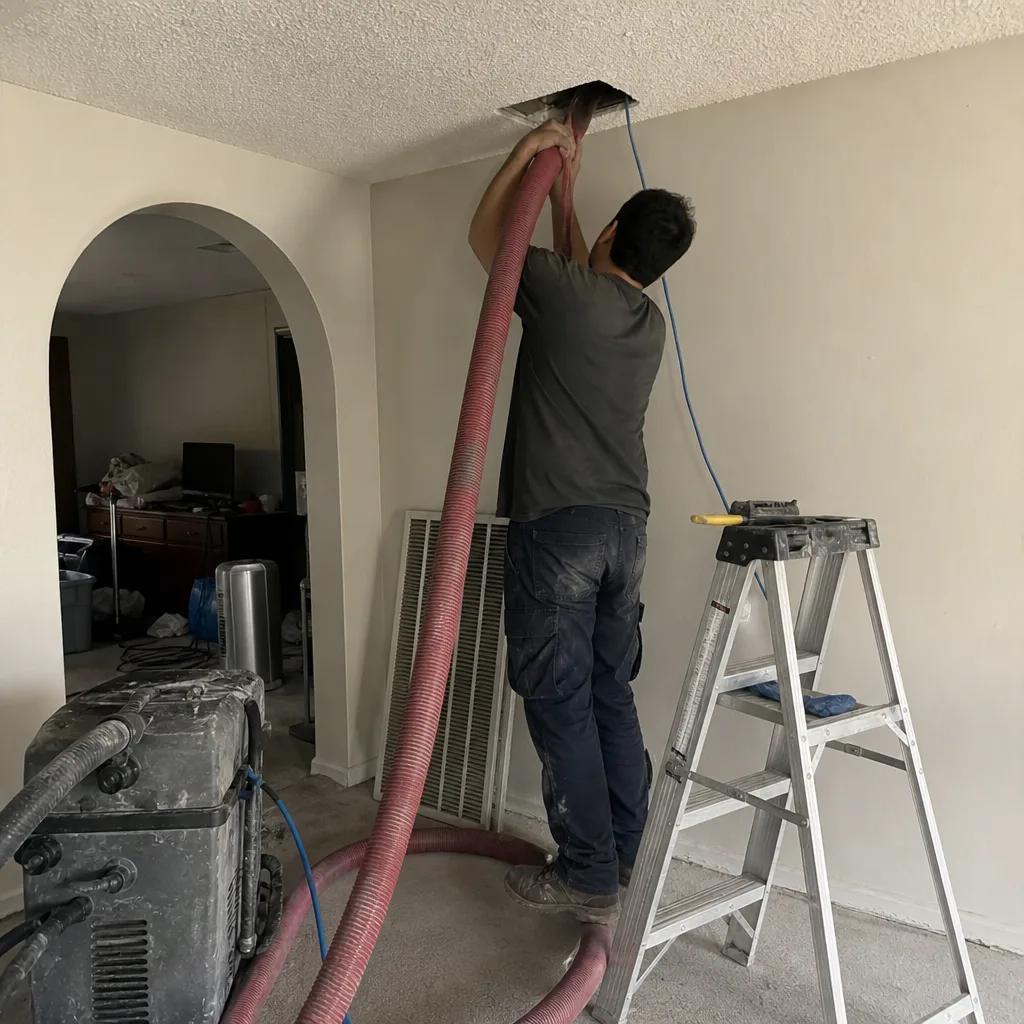 Before
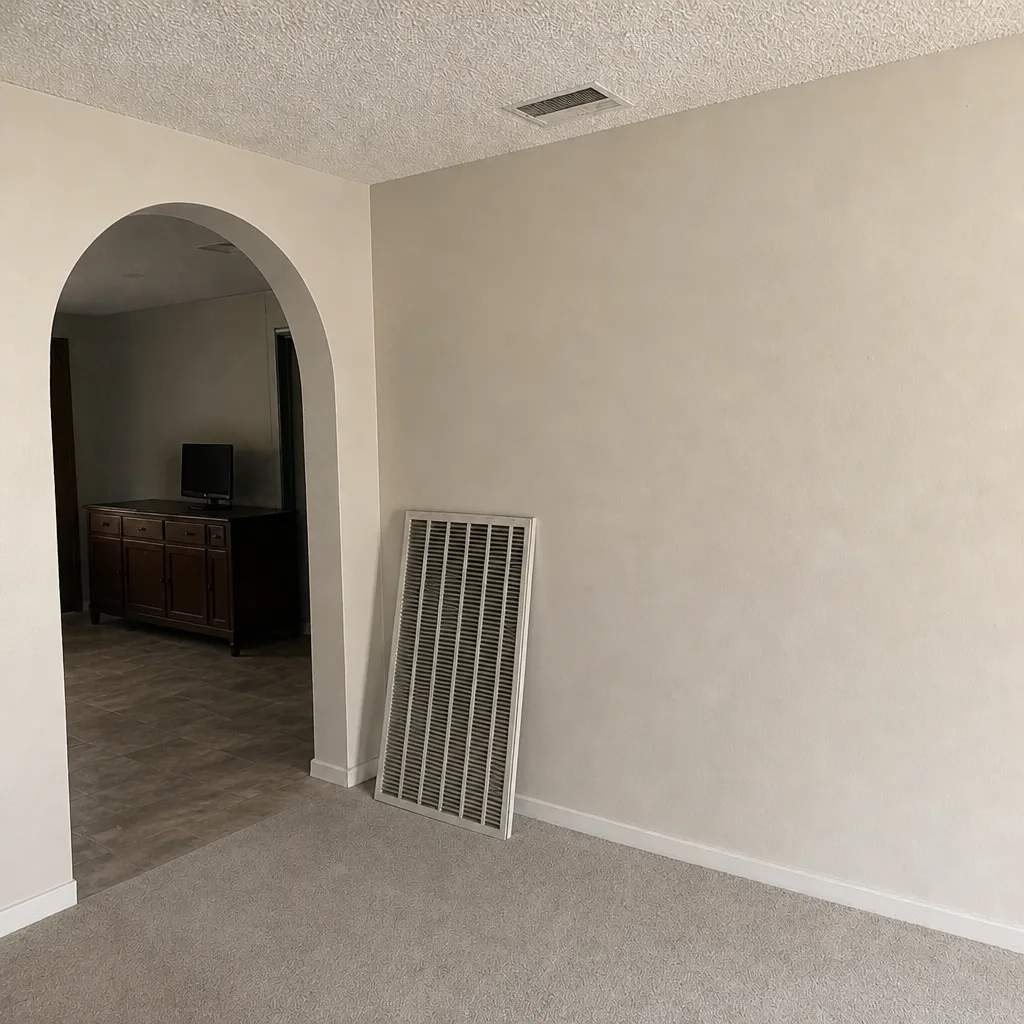 After
Trane Products We Service & Install in Energy Corridor
We service and install Trane air handlers and duct systems, including the S-Series S8 and S9 air handlers, the XR series (XR13, XR14, XR16), the XLi series (XLi15, XLi18, XLi20), and the XV series (XV18, XV20i). Each of those families has different airflow characteristics and different duct requirements, and variable-speed XV units are especially sensitive to duct leakage and blower imbalance. We also handle the duct work around them: full system cleaning, video inspection, and duct sealing. That’s the full chain, from the ducts to the air you breathe.
We Also Service These Brands
We’re not dependent on one brand. We also service Lennox and Carrier systems in Energy Corridor, and the duct and air-handler principles are largely the same across all of them. Trane equipment has its own patterns and its own parts, and we know those well, but if your home has a Lennox or Carrier system, we can still clean, seal, and inspect the ducts and diagnose the air handler. Call us and we’ll tell you what your system needs.
FAQs – Trane Air Duct Cleaning Service in Energy Corridor
No. We are an independent Trane service provider, not authorized, certified, or endorsed by Trane. We work on Trane equipment and understand its designs, but we don’t represent the manufacturer or claim any factory certification. Our credibility comes from hands-on work with these systems in Energy Corridor homes and buildings. Call (855) 726-7308 for a free estimate.
Possibly, but “looks fine” from the outside is the problem. Flex duct that separates at the collars or lacks mastic at the plenum looks intact from a few feet away and still leaks. Video inspection finds those leaks, and sealing them often restores cooling without touching the equipment. It’s also worth checking refrigerant charge, because a slow leak at the coil shows up the same way. Call (855) 726-7308 and we’ll diagnose it properly.
Trane doesn’t publish a single mandated cleaning method for XV systems, but variable-speed equipment is less forgiving of duct problems than single-speed equipment. Dirty blower wheels and leaky ducts throw off the airflow the system is trying to maintain. We use Rotobrush and Nikro equipment because they clean without driving debris further into the system, and we recheck static pressure afterward. Call (855) 726-7308 for an exact quote – estimates are free.
In this climate, annual coil cleaning is a reasonable baseline for S-Series air handlers, and more often if you’re seeing musty odors or high humidity indoors. Gulf Coast dew points stay in the 70s through long cooling seasons, and attic air handlers sit in 130°F+ attics, so moisture and microbial growth in ducts and air-handler closets are a year-round concern here, not a seasonal one. Spring pollen from the Katy prairie grasses and live oaks adds to the load. Call (855) 726-7308 to schedule an inspection.
Sometimes, but not always. Duct sealing fixes noise caused by static pressure that’s too high because the system is pushing against leaks and kinked flex duct. If the noise is coming from the blower itself, that’s blower wheel imbalance from dust buildup, and cleaning the wheel is the actual fix. A lot of XV20i noise complaints turn out to be both at once. Call (855) 726-7308 and we’ll find out which one you have.
That depends on the coil. If the XLi system is 15 years old and the coil is leaking at the U-bends, replacement often beats repeated repairs, and cleaning the ducts without addressing the coil just delays the decision. If the coil is sound and the problem is duct leakage, cleaning and sealing are worth doing. We give an honest call either way. Call (855) 726-7308 for a free estimate.
Air duct cleaning in Energy Corridor typically runs a few hundred dollars for a whole-home system, with the exact figure set by the written estimate after we inspect the system. Jobs that include duct sealing, coil cleaning, or sanitizing cost more because they’re doing more of the work. We price one flat rate per system agreed before work starts, no per-vent pricing, and before-and-after photos of your own ducts. Call (855) 726-7308 for an exact quote – estimates are free.
Book Your Trane Service in Energy Corridor, TX
If your Trane system is running hot, noisy, or leaving rooms uneven, the ducts and the air handler are the place to start. We clean the system, then we make sure it stays clean with sealing and repair. Call Air Duct Cleaning Energy Corridor at (855) 726-7308 for a free estimate. We answer 24/7. Fast dispatch from 7am to 7pm, Sunday through Friday.
Written by the team at Air Duct Cleaning Energy Corridor.