
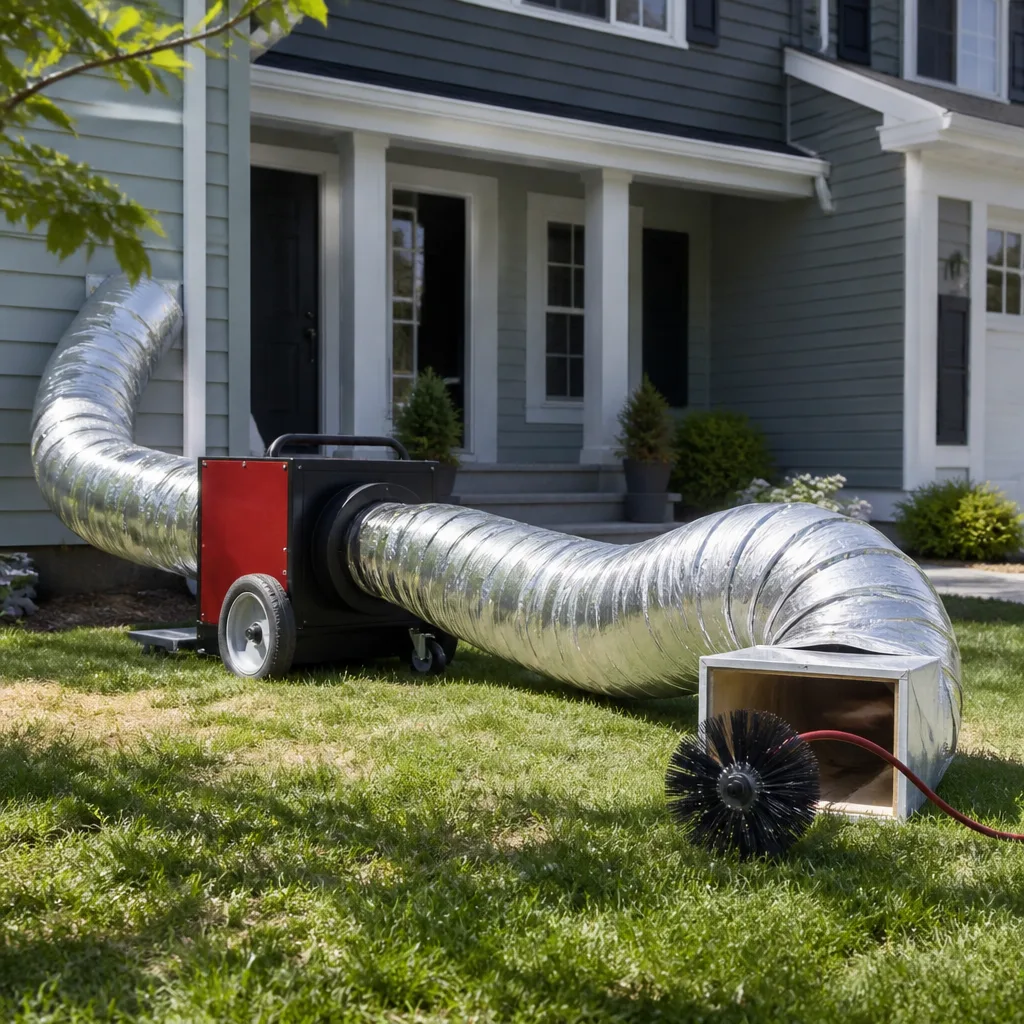
 Whole-home duct cleaning
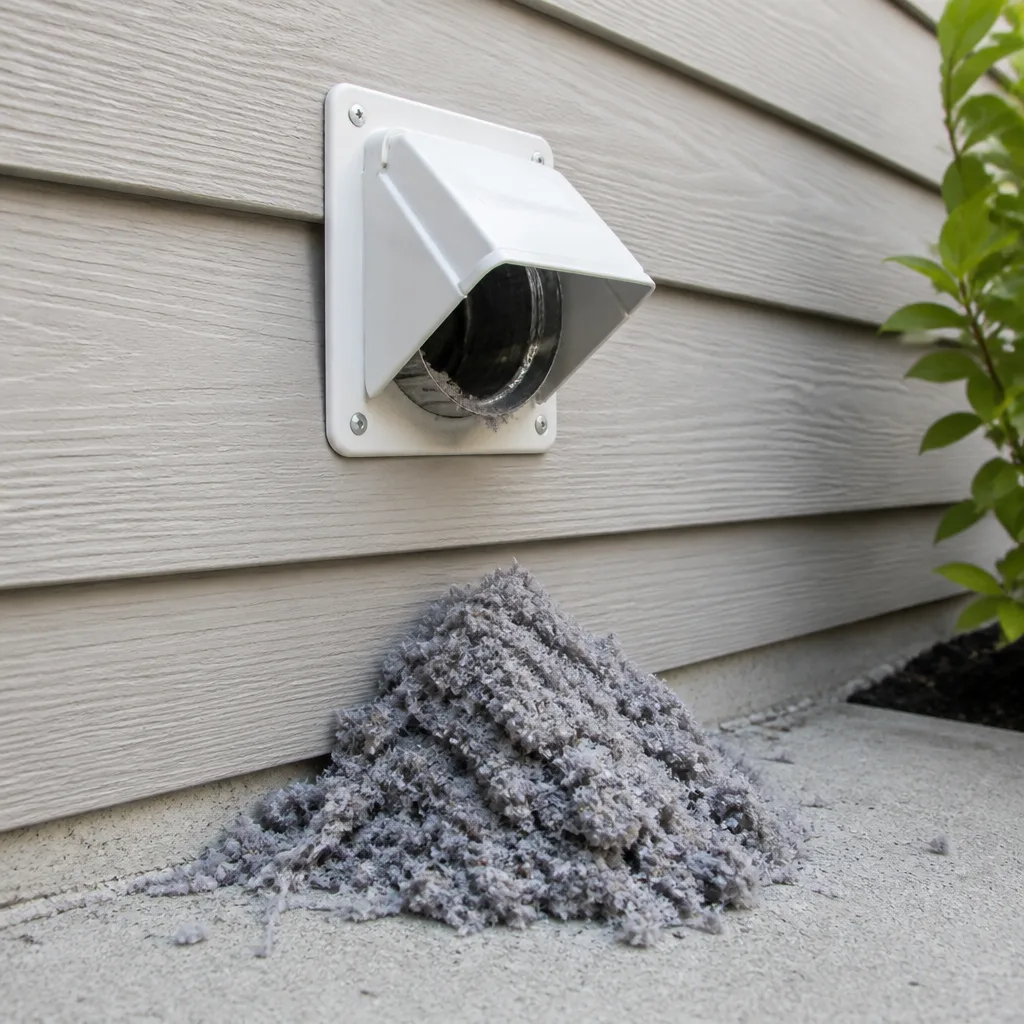 Dryer vent cleaning
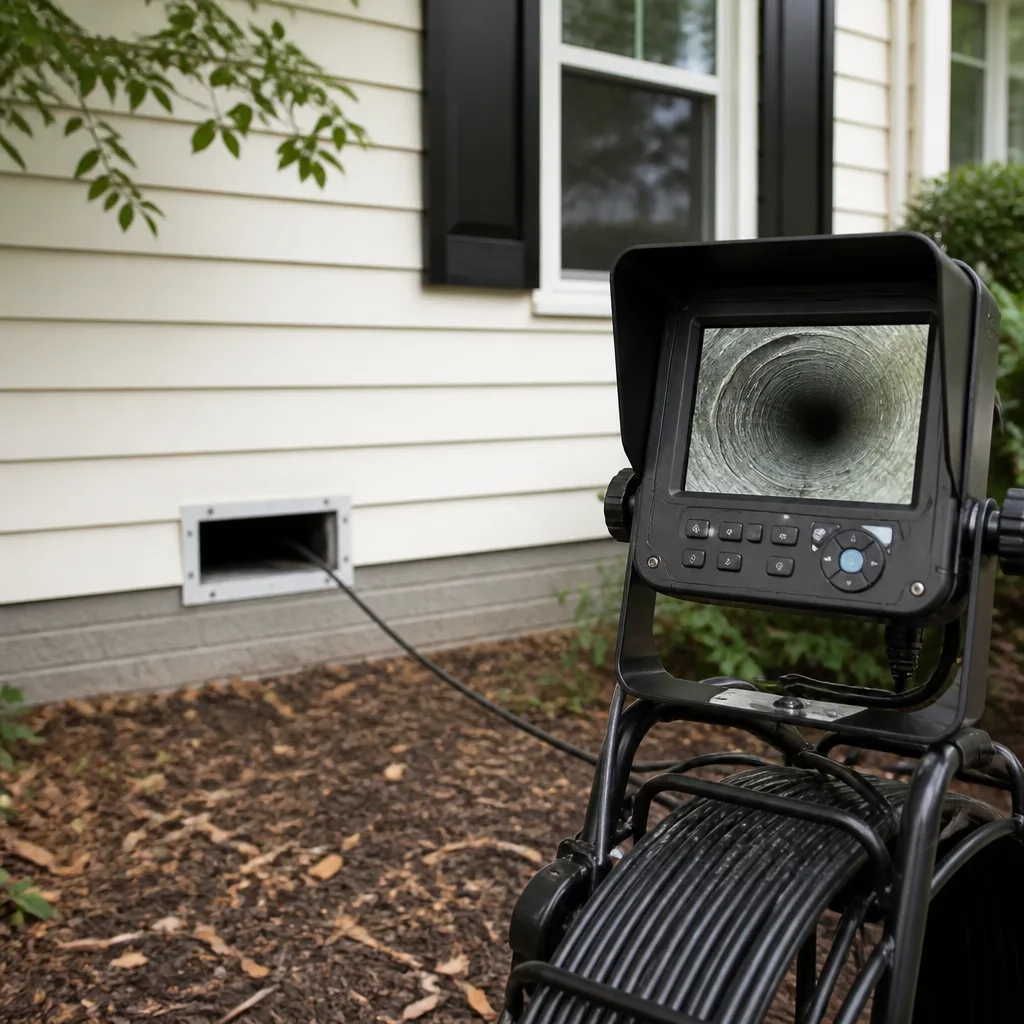 Camera inspection
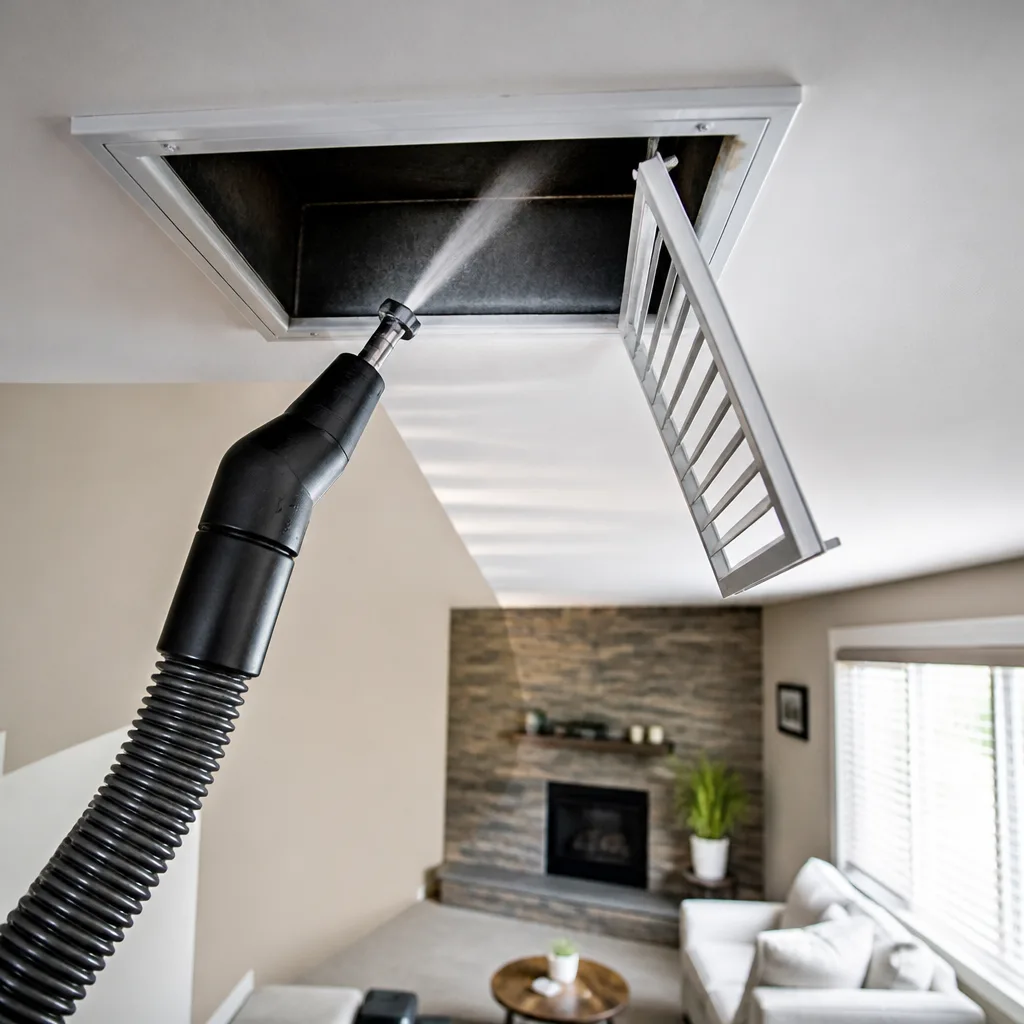 Sanitizing & deodorizing
Whole-system duct and dryer vent check with before-and-after photos - you see exactly what came out of your vents
That "$99 whole-house special" is a bait ad - the real number appears once they are in your hallway, or the "clean" is a shop-vac at the register. We photograph the inside of your ducts before and after instead.
Styles & brands we work with
- Whole-home duct cleaning
- Dryer vent cleaning
- Camera inspection
- Sanitizing & deodorizing
See the difference
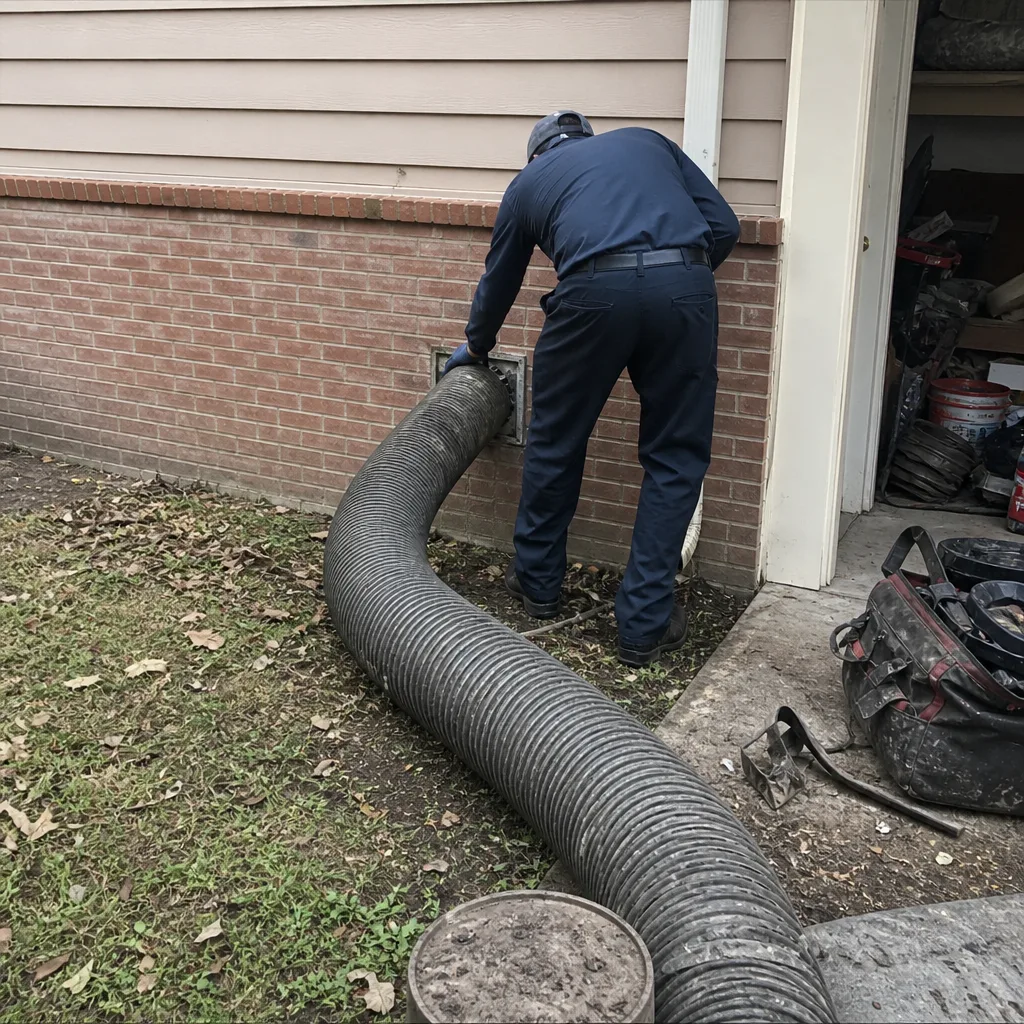 Before
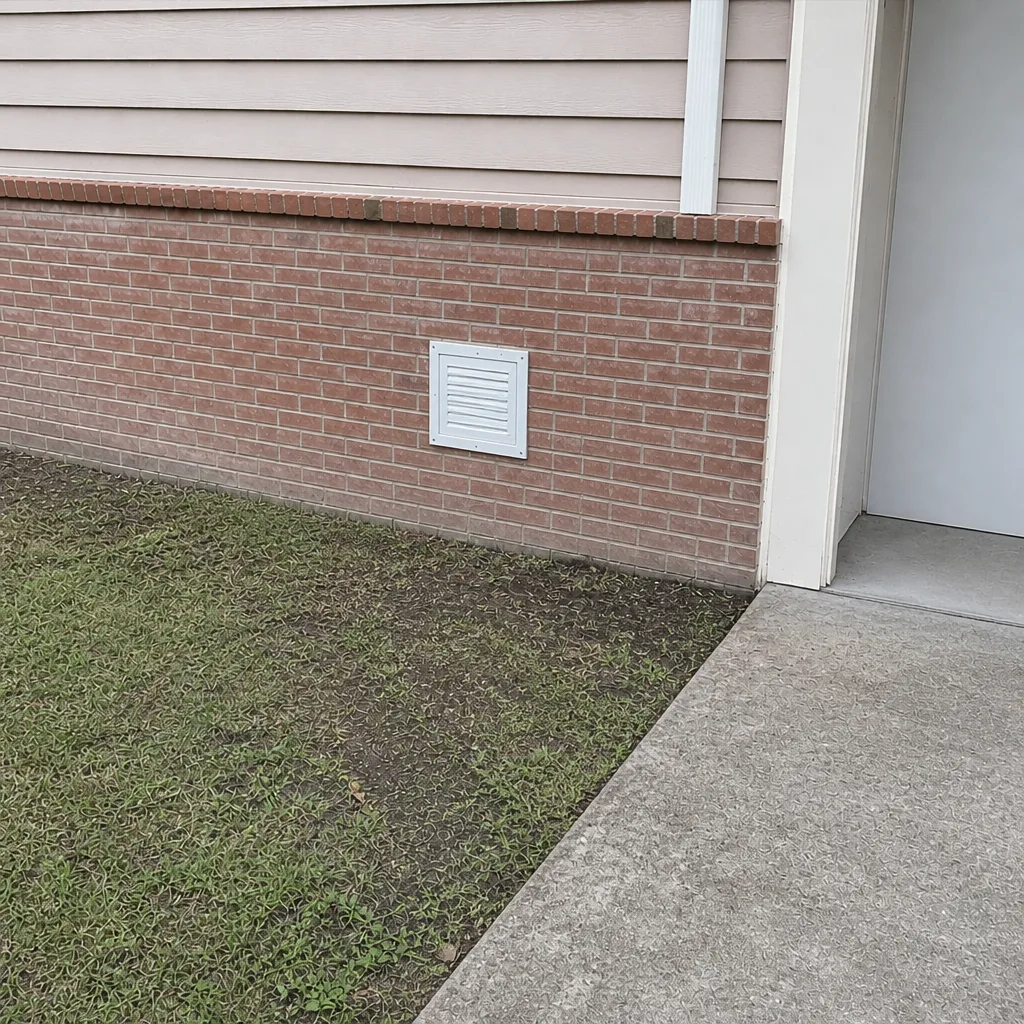 After
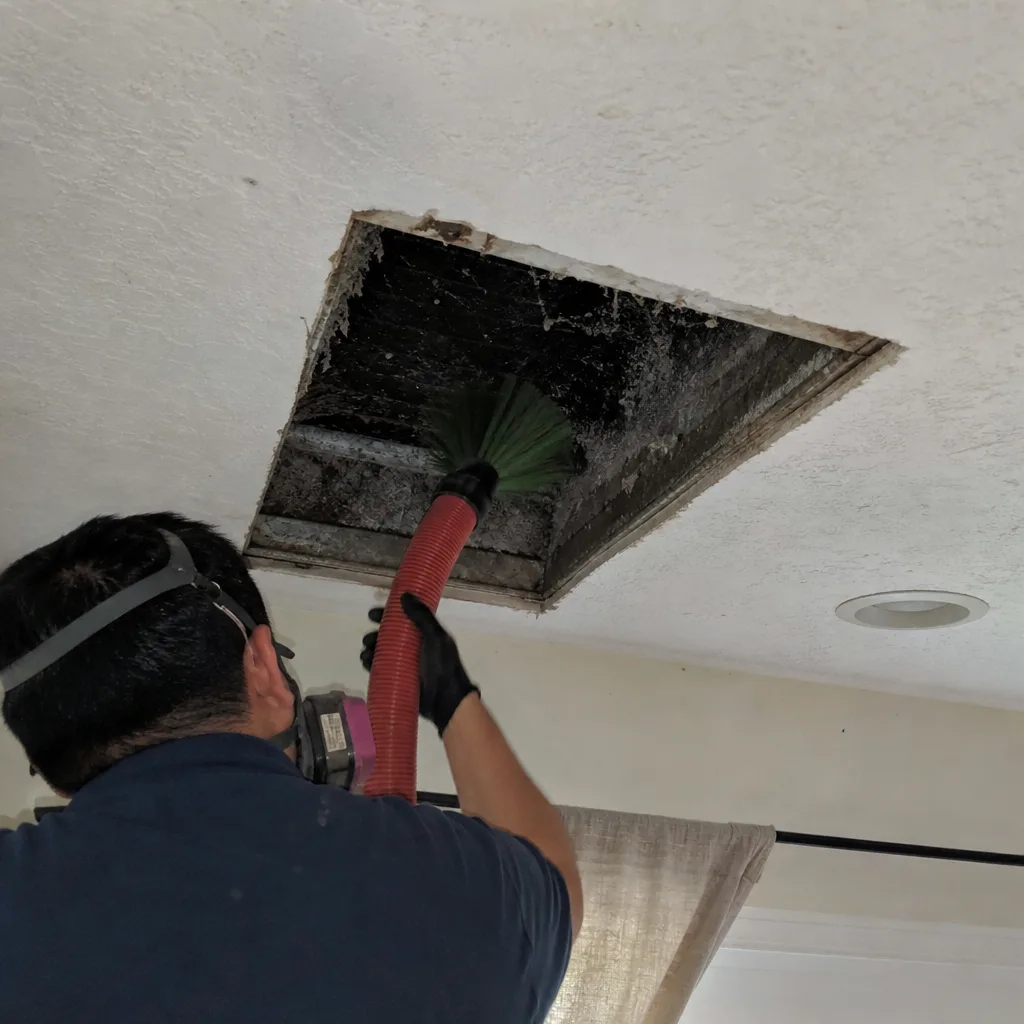 Before
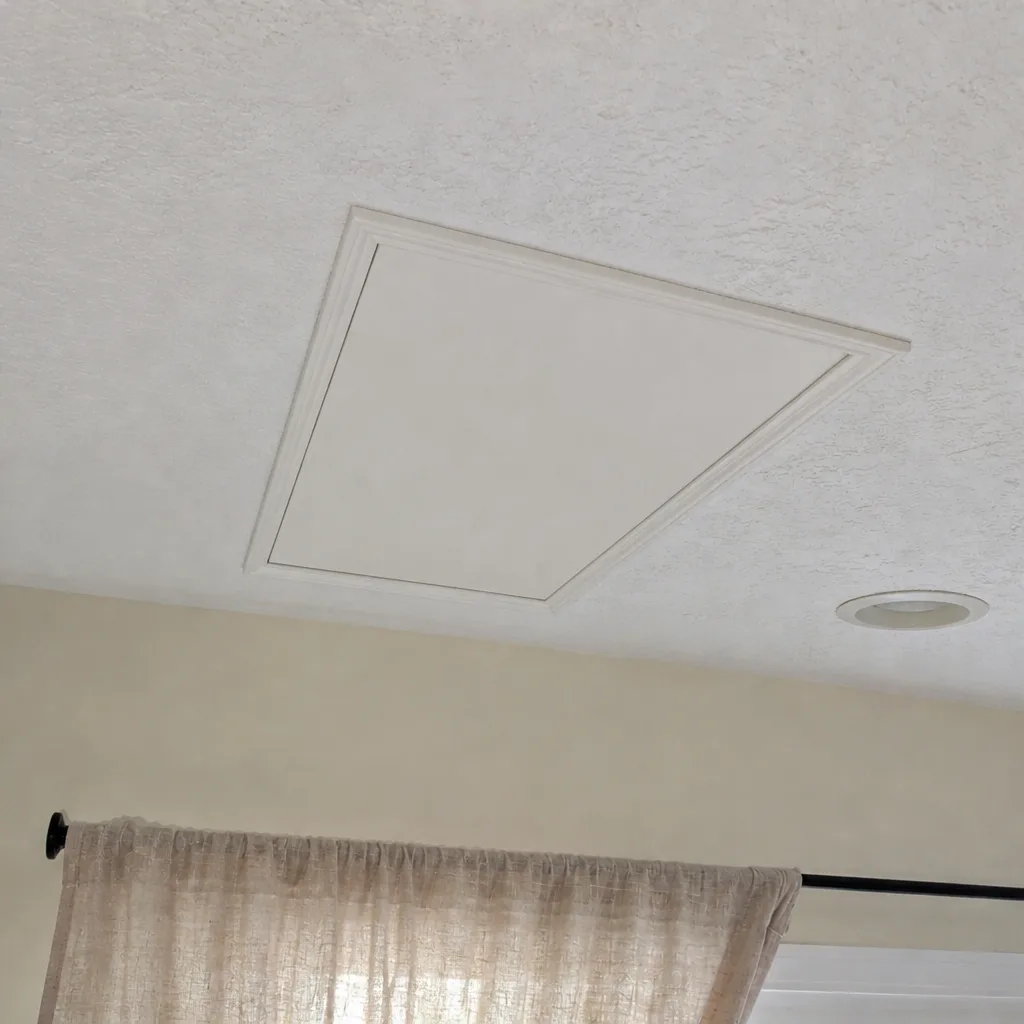 After
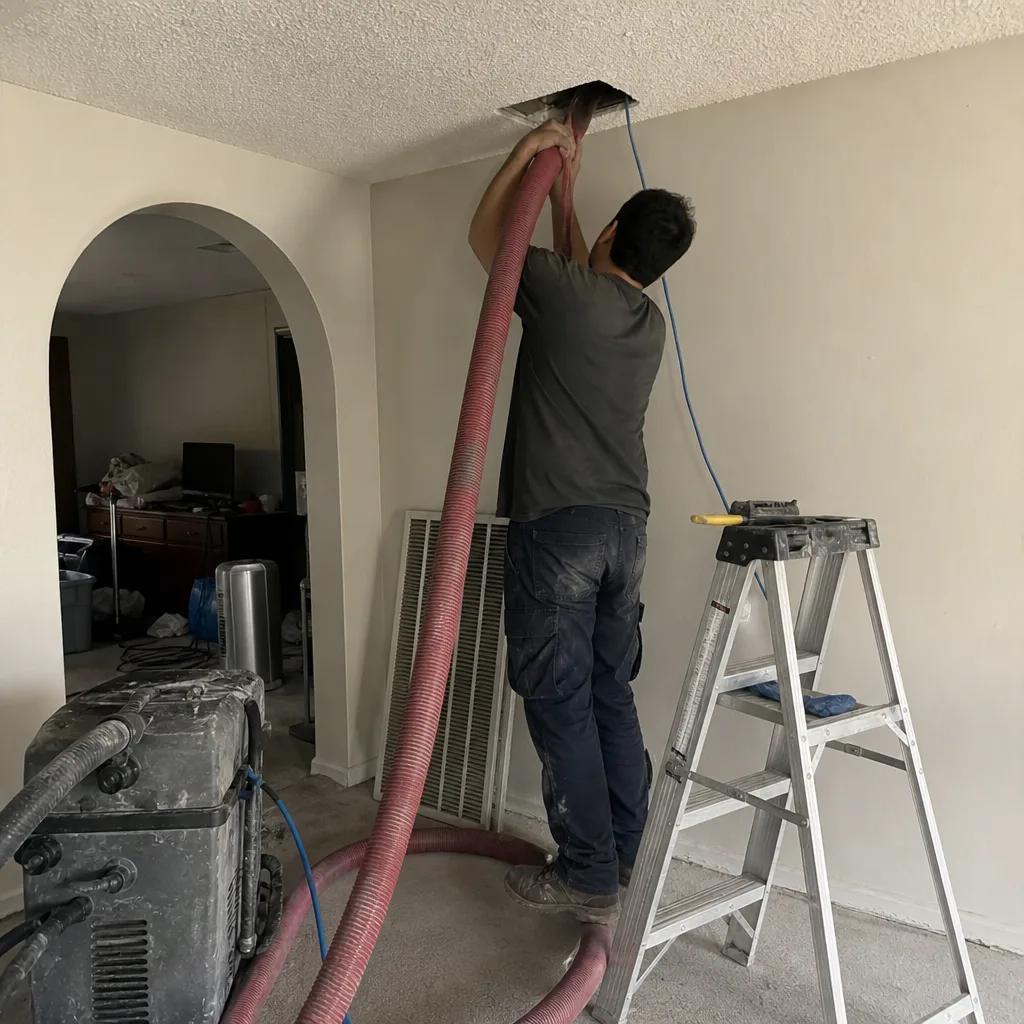 Before
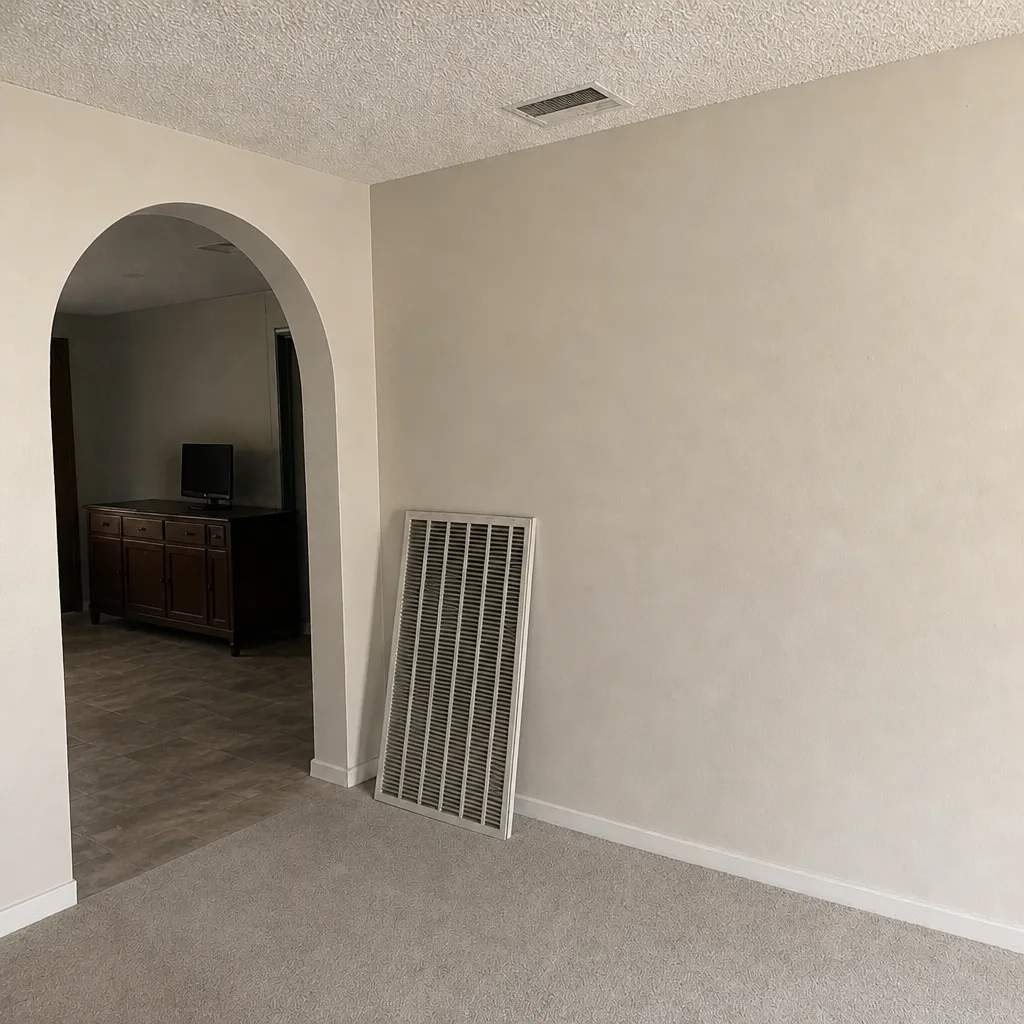 After
How Much Does Duct Repair & Sealing Cost in Energy Corridor?
Duct repair and sealing in Energy Corridor typically runs $320 to $1,500 for most homes, with the average project landing around $600. Small sealing jobs on a few accessible leaks sit at the low end, while full duct replacement or major trunk-line repairs push toward the top of that range. The written estimate you get after an inspection sets the final price, and it’s free.
That range covers both the fix and the sealing that keeps it fixed. Sealing alone doesn’t correct crushed flex runs or disconnected joints, and repairing without sealing leaves the rest of the system leaking. The Energy Corridor’s mix of older 1970s and 1980s subdivisions alongside newer construction off Eldridge Parkway means the diagnosis matters as much as the repair. A home near Memorial City with attic ducts that have baked through 40 summers has different problems than a newer build off Briar Forest Drive.
We handle this as a full-system job: we find what’s causing the air loss, repair it, then seal the whole system so the fix holds. Call (855) 726-7308 for a free estimate. We answer 24/7, with fast dispatch from 7am to 7pm, Sunday through Friday.
Duct Repair & Sealing Cost Breakdown (2026)
Here are the line-item ranges we see in the Energy Corridor market for 2026. Every project is quoted per job after inspection, and the written estimate is what you pay.
| Service | Typical Cost Range | What It Covers |
|---|---|---|
| Leak inspection and pressure assessment | $0 (free with estimate) | Full walkthrough of attic and crawlspace runs, leak mapping, airflow readings |
| Spot sealing (5-15 leaks) | $320 – $550 | Mastic and foil-tape sealing on accessible joints, boots, and plenum connections |
| Full-system duct sealing | $550 – $950 | Aerosol or manual sealing across the entire distribution system |
| Flex duct run replacement (per run) | $180 – $350 | New insulated flex run, properly supported and sealed at both ends |
| Rigid duct repair or section replacement | $400 – $850 | Sheet metal repair, new sections, and reconnection of separated trunk lines |
| Disconnected or crushed trunk repair | $600 – $1,200 | Major trunk-line work, often requiring attic access improvements |
| Plenum and boot sealing | $250 – $450 | Sealing at the air handler and at each register boot |
| Duct insulation upgrade | $350 – $700 | Replacing failed or missing insulation on attic runs |
| Full duct replacement | $1,200 – $4,500 | Complete system replacement when repair isn’t cost-effective |
What pushes a job up? Attic access is the biggest variable. Homes in the Energy Corridor with low-pitch roofs and tight attic clearances take longer to work in, and that labor shows up in the quote. The number of separate runs matters too, since a 2,000-square-foot home off Memorial Drive with a long trunk run and a dozen branches costs more to seal than a compact layout. Replacing flex runs costs more per foot than sealing existing ones. And if we find a collapsed trunk buried under insulation or a return that’s pulling from a hot attic, that’s a repair, not a sealing job.
What Affects Duct Repair & Sealing Pricing in Energy Corridor
- Attic conditions and access. Houston’s heat and humidity are hard on attic ductwork. Flex runs in an Energy Corridor attic can see extreme summer temperatures, and ducts that sag or lose their insulation sag faster here than in milder climates. Tight attic access, low clearances, and attic flooring all add labor time to the estimate.
- Duct material and age. Older subdivisions near Addicks and along Highway 6 often have original flex duct from the 1980s that has hardened, torn, or separated at the collars. Sealing brittle duct is sometimes not worth it, and partial replacement becomes the better call. Newer builds off Eldridge Parkway or near Terry Hershey Park usually have ductwork in better shape and often qualify for sealing-only jobs.
- How many leaks and how accessible they are. Five leaks in easy reach cost far less than fifteen behind drywall or in a cramped chase. We map the leaks first so the estimate reflects the actual job, not a guess.
- System size and layout. A larger home with multiple zones has more duct surface and more joints to seal. Long trunk runs with lots of branches cost more to seal properly than a compact single-zone layout.
- Whether it’s repair-only or repair plus sealing. Repairing a single crushed run is cheaper than repairing it and then sealing the whole system. But sealing-only on a system with a disconnected run wastes money, because the air still escapes. The free inspection tells you which one you actually need.
- Insulation condition. Ducts with failed insulation lose cooling before the air reaches the room. Replacing that insulation is often part of the job, and it’s why we quote it as a separate line item.
How to Save on Duct Repair & Sealing
The single biggest saving is diagnosing correctly the first time. A sealing-only job on a system with a crushed trunk means paying twice, so start with a proper inspection rather than a quote over the phone. Here’s what actually moves the number down:
- Bundle repair with sealing. If you’re already paying for a technician in the attic, sealing the rest of the system at the same time costs less than booking two separate visits. It’s one trip, one setup.
- Fix small leaks before they become trunk failures. A separated collar that’s sealed for a few hundred dollars can become a full trunk replacement if it’s left to whip in the airflow for a few seasons.
- Address insulation while the ducts are open. Replacing failed insulation during a repair job avoids a second mobilization. Doing it separately costs more.
- Get the written estimate and compare line items. A quote that just says “duct repair” with one number isn’t useful. Ours breaks out sealing, repair, and replacement so you can see what you’re paying for.
- Ask whether full replacement beats repair. On very old, brittle duct systems, repair plus sealing can approach the cost of replacement. We’ll tell you when replacement makes more sense, even though it’s the bigger line item.
Every estimate is free, and there’s no service-call fee to get one. Call (855) 726-7308. We answer 24/7, with fast dispatch from 7am to 7pm, Sunday through Friday.
How the Repair and Sealing Process Works
We start with a full inspection of the distribution system: every accessible run, the plenum at the air handler, the boots at each register, and the return side. We use pressure readings and a leak map rather than just a visual walk-through, because most duct leaks aren’t visible from the attic hatch. The inspection tells us whether you need repair, sealing, or both.
From there, the work depends on what we find. Sealable joints get mastic and foil tape, not the cheap gray “duct tape” that fails in Houston heat. Damaged flex runs get replaced and properly supported. Separated trunk lines get reconnected and sealed. Once the repairs are done, we seal the whole system so the repair holds and the remaining leaks close up too. This is the “clean the system, then make sure it stays clean” approach, and it’s why we offer duct repair & sealing as a service alongside cleaning rather than as an afterthought.
For homes that also need cleaning, sanitizing, or filtration work, we handle those under the same visit where it makes sense. That includes air duct cleaning in Energy Corridor, which pairs naturally with repair and sealing because you don’t want to seal a system full of debris. We use professional equipment from Rotobrush and Nikro for cleaning, and Honeywell and Aprilaire components when filtration upgrades are part of the plan. Sanitizing work uses Abatement Technologies and Guardsman products. One inspection, one scope, one estimate.
Signs You Need Duct Repair or Sealing in Energy Corridor
Duct leaks rarely announce themselves. What homeowners in the Energy Corridor notice first is usually a symptom, not the duct itself. Watch for these:
- Rooms that never cool evenly. A bedroom that stays warm while the rest of the house is comfortable usually points to a leak or a disconnected run feeding that room. In a two-story home off Memorial Drive, the upstairs is often the tell.
- Dust that returns quickly after cleaning. Leaky return ducts in an attic pull insulation fibers and dust into the airstream. If you dust and it’s back in a few days, the ducts are a likely culprit.
- Higher cooling bills without a change in use. Air escaping into the attic means the system runs longer to hit the thermostat setpoint. Houston summers make that gap expensive.
- Musty or dusty smell when the system starts. Attic air pulled through a leak carries odor with it. Sealing removes the path.
- Visible sagging or disconnected flex in the attic. If you’ve been in the attic and seen a run hanging loose or pulled off a collar, it needs repair before sealing.
- Whistling or rushing at registers. Sometimes a sign of a leak pulling air from the wrong place, or a duct that’s undersized for the room.
If two or more of these sound familiar, a free inspection will tell you what’s actually going on. We find what’s causing the problem, not just what’s visible.
Duct Repair and Sealing Safety: What Homeowners Should Know
Duct work happens in the attic, often in tight spaces, and it involves the air handler and electrical connections. We don’t recommend homeowners climb into an Energy Corridor attic in summer heat to seal ducts themselves. The combination of extreme attic temperatures, exposed wiring near the air handler, and the risk of falling through ceiling drywall makes this a job for a trained technician. If you suspect a problem with the air handler’s wiring or the gas connection, stop and call a licensed professional. Our local pros are licensed and insured as their state requires, and they carry the equipment to work safely in these conditions.
Repair or Replace? How to Decide
The rough rule: if the duct system is more than roughly 15 to 20 years old, brittle, and has multiple failed runs, replacement often beats repair. If the system is newer and the leaks are isolated, repair and sealing is the cheaper path and usually the right one. The deciding factor is how much of the system is failing, not just whether it’s old. A 20-year-old system with one bad run is a repair. A 20-year-old system with sagging, torn duct throughout is a replacement. We’ll show you both numbers on the estimate so you can weigh them.
Frequently Asked Questions About Duct Repair & Sealing Cost
How much does duct sealing cost in Energy Corridor?
Full-system duct sealing in Energy Corridor typically costs $550 to $950, and spot sealing on a handful of accessible leaks runs $320 to $550. The price depends on how many joints need sealing and how accessible they are. Call (855) 726-7308 for an exact quote, and the estimate is free.
Is it cheaper to repair or replace ductwork?
Repair and sealing usually costs less than replacement, typically $320 to $1,500 versus $1,200 to $4,500 for full replacement, as long as the duct system is structurally sound. If the flex runs are brittle and failing throughout, replacement can be the better value because patch repairs keep coming. The free inspection settles which one applies to your home.
Can you come today?
Same-day service is often available when you call during dispatch hours. Call (855) 726-7308 and we’ll book the earliest opening. We answer 24/7, and a call outside dispatch hours is booked into the next opening, Sunday through Friday, 7am to 7pm.
How long does duct repair and sealing take?
Most jobs take a few hours to a full day. Spot sealing on an accessible system can finish in two to three hours. Full-system sealing on a larger Energy Corridor home with multiple zones often takes most of a day, especially when flex runs are being replaced. The written estimate includes the expected time so you can plan.
Will sealing my ducts lower my energy bill?
Sealing ducts that leak into the attic typically reduces cooling costs because the system stops conditioning air it then loses. How much depends on how leaky the system was to begin with. In Houston’s climate, where the AC runs hard for months, leaky attic ducts cost real money. The inspection shows how much leakage you have before we quote the fix, so the estimate reflects the real benefit.
Do you clean ducts too, or only repair them?
We do both, along with dryer vent cleaning, HVAC cleaning, and air quality and sanitizing. Repair and sealing pairs naturally with cleaning because you don’t want to seal a system full of debris. Five services under one roof means fewer calls to different contractors. Call (855) 726-7308 to discuss what your system needs.
Why Homeowners in Energy Corridor Call Us
Duct repair and sealing isn’t something we bolt onto a cleaning business. It’s one of five core services, and the full-system view is the reason: cleaning, sanitizing, filtration, repair, and dryer vent safety all belong to the same conversation about the air in your home. We use professional equipment from Rotobrush and Nikro because consumer-grade tools don’t reach what’s actually in a duct system. We work with Honeywell and Aprilaire on filtration and Abatement Technologies and Guardsman on sanitizing because those are the components that hold up. Our technicians have up to 15 years of experience, and they diagnose before they quote.
If you’ve never had your ducts inspected, or you’ve noticed dust, uneven cooling, or rising bills, the free estimate is the place to start. Call (855) 726-7308. We answer 24/7, with fast dispatch from 7am to 7pm, Sunday through Friday.
Pricing reflects the Energy Corridor market as of 2026. Air Duct Cleaning Energy Corridor offers free estimates – call (855) 726-7308.
What Our Customers Say
"My wife's allergies had been bad in this house since we moved in. It's been two months since they did the ducts and it's noticeably better. Not a miracle, but real."
- Cole Bennett"They photographed every return and supply before starting and sent me the file afterward. No upsell to a sanitizing treatment I didn't need."
- Brooke Anderson"Ran a negative air machine on the whole system rather than the shop vac on a stick that the cheap outfit down the road uses. Showed me the before and after photos from inside the trunk line and it was genuinely disgusting."
- Alma Torres