
Last updated November 25, 2026
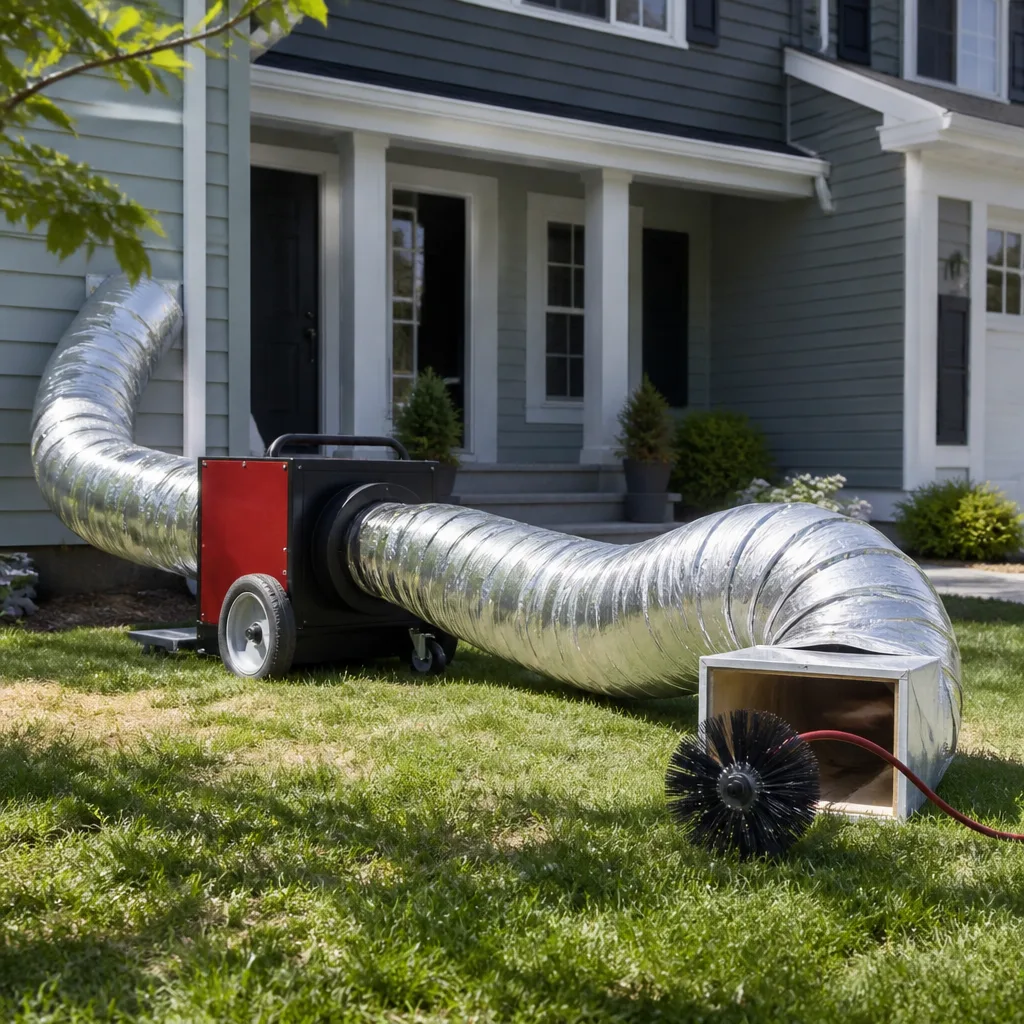 Whole-home duct cleaning
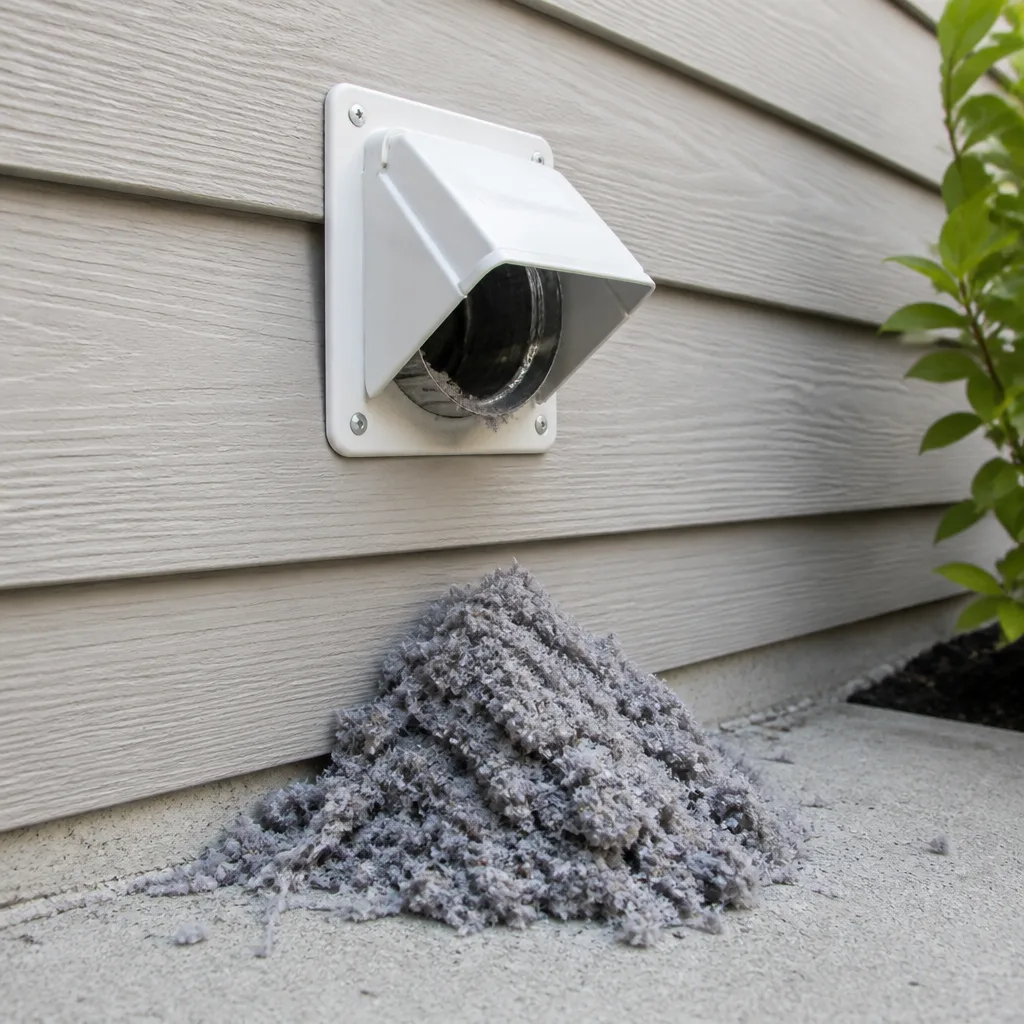 Dryer vent cleaning
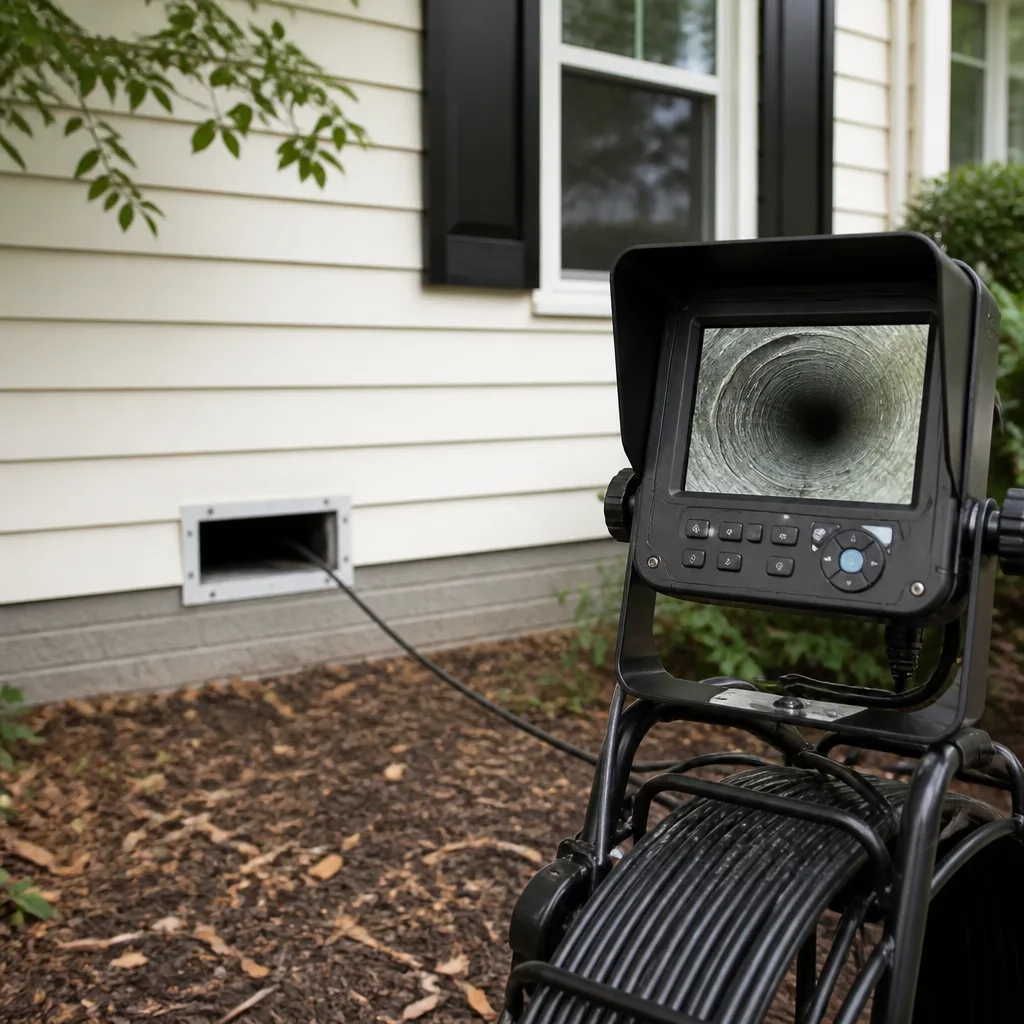 Camera inspection
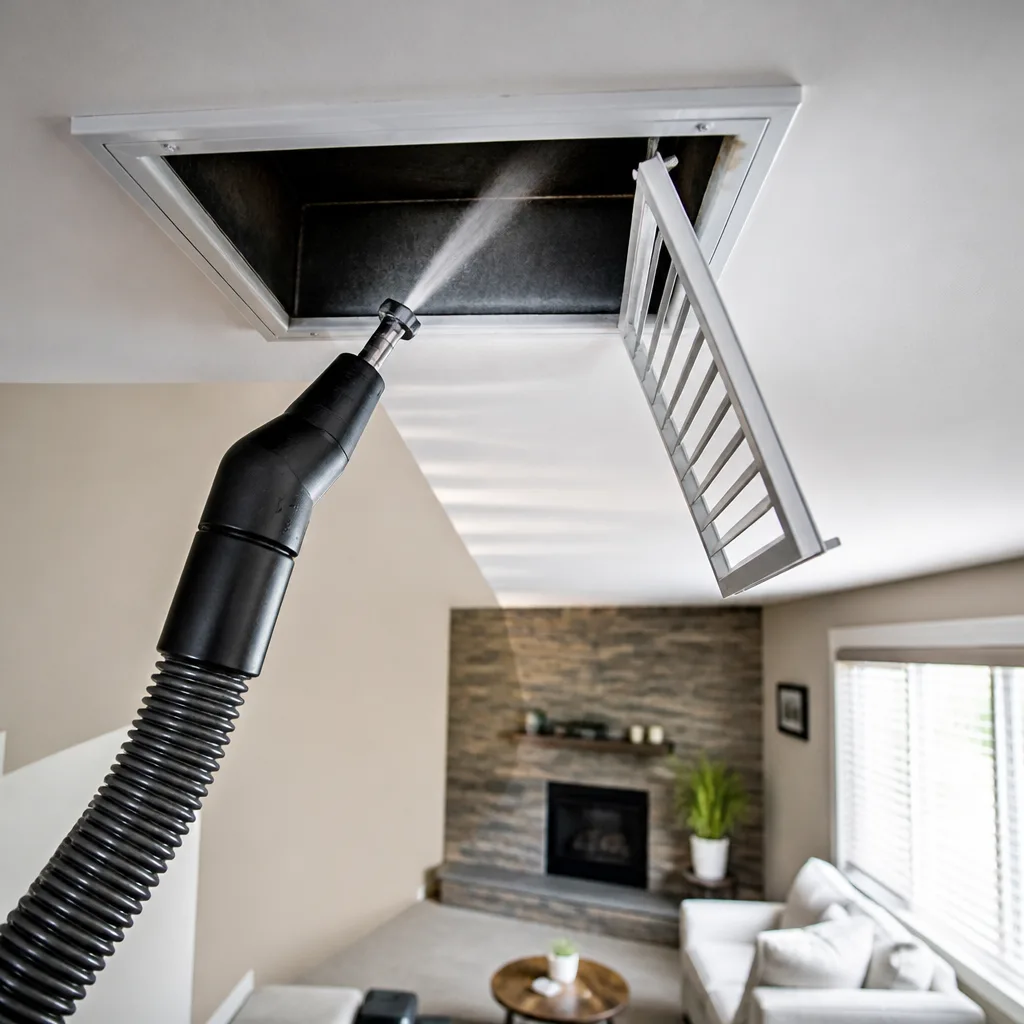 Sanitizing & deodorizing
Whole-system duct and dryer vent check with before-and-after photos - you see exactly what came out of your vents
That "$99 whole-house special" is a bait ad - the real number appears once they are in your hallway, or the "clean" is a shop-vac at the register. We photograph the inside of your ducts before and after instead.
Air Duct Cleaning Warning Signs: An Energy Corridor Homeowner’s Reference Guide
Most people treat a dusty register or a stuffy bedroom as normal house noise – something to vacuum around, not something to investigate. That assumption costs homeowners real money and comfort. Your duct system is the one part of your HVAC equipment you almost never see, and the symptoms it produces show up as ordinary annoyances scattered across the house: a warm upstairs room, a faint smell near the hallway vent, dust settling faster than it should. In this guide we’ll walk through those observations and map each one to a specific condition, so an Energy Corridor homeowner can read the house the way a technician does.
Quick Answer
The main warning signs of a duct problem are uneven room temperatures (often 4 to 6 degrees off the thermostat), visible dust halos or dark streaks around registers, musty or burning smells when the system runs, allergy symptoms that track with HVAC cycling, and dust that returns within days of cleaning. Each sign points to a specific cause – leakage, blockage, disconnected runs, moisture, or a failing return – and a professional diagnostic tells you which.
Styles & brands we work with
- Whole-home duct cleaning
- Dryer vent cleaning
- Camera inspection
- Sanitizing & deodorizing
Table of Contents
- Temperature Gaps and Pressure Imbalance Signs
- What the Smell Tells You: Musty, Burning, and Chemical Odors
- Visual Signs at the Register: Halos, Streaks, and Rings
- Health Patterns That Track With HVAC Runtime
- Pier-and-Beam and Attic Duct Damage in Energy Corridor Homes
- Return Air and Static Pressure: The Overlooked Variable
- Dryer Vent Warning Signs
- How a Professional Diagnoses a Duct Problem
If one room is consistently warmer than the thermostat, that’s a duct problem
When a single room in your Energy Corridor home runs 4 to 6 degrees warmer than the setting, the thermostat is almost never the culprit. The cause is usually air loss between the handler and the room – leakage, blockage, or a run that has come apart – and a trained technician can usually locate it in under an hour. Temperature disparity is the clearest diagnostic signal your house produces, because it reflects the system’s own measurements rather than a subjective impression. Two things generate it: insufficient conditioned air reaching the room (a supply-side problem) or insufficient air returning to the handler (a return-side problem). Both mask themselves as “the back bedroom is always hot.”
In our experience, the split falls into three categories:
- Leakage. Duct joints coming apart, tape failing at a collar, or holes worn at a strap point. Air escapes into the attic or wall cavity and the room starves. The system works harder, the utility bill creeps up, and the register still feels weak.
- Blockage. A collapsed flex run, an object that found its way into a boot, or a closed damper forgotten in a distant branch. The register may feel cool but the volume never matches the other rooms.
- Undersized return. The room can’t exhaust air because the return path is too restricted to accept what the supply delivers. The room pressurizes slightly, feels stagnant, and stays warm even with the air handler running.
Before you assume the thermostat is failing, put a separate thermometer in the problem room for a few days. The pattern – warm in the afternoon, cool at night, or warm only when the AC is in long cycles – points a technician toward the right duct condition.
What the smell tells you: musty, burning, and chemical odors
Odors are the second most reliable diagnostic signal, but only if you can tell them apart. Three distinct smells map to three distinct duct conditions, and treating them the same wastes time and money.
Musty odor. This points to moisture and biological growth somewhere in the system – typically on the inside of a duct run, on the evaporator coil, or inside the air handler cabinet. In the Energy Corridor’s humid stretches, condensation on a cold duct surface inside a warm attic is a common setup. What you’re smelling is biofilm. Cleaning removes the surface growth; sanitizing with an appropriate product treats the remaining organisms, which is why we use Abatement Technologies products and Guardsman solutions rather than a solvent-and-hope approach.
Burning smell. A burning or hot-plastic smell when the heat or the air handler cycles usually means debris is sitting in the airstream near a heating element – a real fire concern. That warrants turning the system off and having a technician inspect it, not just scheduling a cleaning.
Chemical smell. Older systems sometimes have internal duct liner, and the adhesive or foam inside it can off-gas as it ages. This is more common in installations predating current liner standards. If the smell appears only when the fan runs, and clears when it stops, the liner is a likely candidate.
Each smell is a data point. Name the smell when you call and describe when it appears – the technician will already be narrowing the diagnosis on the drive over.
Visual signs at the register: halos, streaks, and rings
The register is the only part of your duct system you can actually see, and it’s telling you what’s happening upstream. Learn to read three patterns:
- Dust halos. A ring of grey dust around a supply register that keeps returning after wiping. That’s not just a register problem – it means particulate is being carried to the register from upstream. Ducts or the air handler are loaded, or filtration is undersized for the load.
- Dark streaks. Vertical or angled dark lines on the wall or ceiling near the grille suggest the seal at the boot or collar is leaking, pulling dark cabinetry or attic dust through. Streaks on the ceiling point to a leak at the neck, not the register face.
- Condensation rings. A brownish ring around a register on a hot day means condensation is forming on the boot or grille because the metal is running cold. That’s a moisture pathway into the surrounding assembly. Left alone, it invites mold and eventually drywall damage.
Take photos of each pattern before you wipe anything. A technician can often identify the upstream condition from a photo alone, which saves time on the walkthrough. Registers that show halos while others look clean are especially telling – the problem is localized, not house-wide.
Health patterns that track with HVAC runtime
Seasonal pollen hits everyone. What’s more revealing is a symptom pattern that spikes when the furnace or AC cycles and fades when the system is idle. That correlation points to particulate loading inside the ducts and air handler rather than whatever is blooming outside in the Energy Corridor that week.
Pay attention to these patterns:
- Timing. Symptoms worsen a few minutes after the system starts and settle when it stops. That’s the airstream moving loaded particulate.
- Room correlation. Symptoms cluster in one or two rooms – usually the ones nearest the air handler or the ones with the weakest supply.
- Season independence. Symptoms continue through months with low outdoor pollen and only during HVAC use.
- Return-air association. The air feels worse in rooms near the return grille than in rooms far from it.
- Filter behavior. Filters load up visibly gray in less than a normal cycle, indicating upstream sources and not just normal return dust.
This is not a medical diagnosis and we make no health claims. It’s a pattern that tells you the system is a candidate for a professional cleaning and, if filtration is the weak link, an upgraded filter setup. Working with Honeywell and Aprilaire filtration components closes the gap between a clean system and a system that stays clean.
Pier-and-beam and attic duct damage in Energy Corridor homes
The Energy Corridor’s housing stock creates duct problems that don’t show up in most generic warning-sign guides. Two conditions account for a disproportionate share of the older-home calls we see.
Foundation movement in pier-and-beam homes. When the foundation shifts even a little – which is a normal pattern for pier-and-beam construction as the soil moves – the ducts running beneath the floor can separate at joints, pull away from collars, or crack at flex connections. The house doesn’t necessarily show obvious interior symptoms. What you’ll notice is a room that suddenly stopped cooling, or a bill that ticked up with no other change. If your home is pier-and-beam and a room has lost airflow, ask the technician specifically to inspect the under-floor runs.
Attic duct damage after roof work. Roof replacements, solar installs, and attic HVAC equipment swaps are common here, and a run that gets stepped on, snagged, or crushed during that work can look fine from the attic stairs and be badly compromised in the far corner. If duct symptoms appeared within weeks of roof work or an attic equipment install, that timing is worth telling the technician about.
Both patterns explain why our approach includes air duct cleaning followed by Duct Repair & Sealing when the inspection finds loss points. Cleaning alone leaves separated joints to keep leaking; sealing the joints stops the recurrence.
Return air and static pressure: the overlooked variable
Most homeowner guides talk about supply ducts and skip returns entirely. Returns are half the system, and their condition often explains symptoms that cleaning alone won’t fix.
An undersized or restricted return creates negative pressure in the house. That pressure pulls outdoor air in through every gap, invites attic dust through recessed lights and penetrations, and makes the system work harder to deliver the supply airflow the rooms need. Common return-side signs:
- Doors that whistle or pull shut when the air handler runs.
- Faint musty smell strongest near a return grille.
- Dust accumulating on the top of doorframes and ceiling fans even after cleaning.
- Filter face visibly loaded while the supply registers look moderate.
A static pressure measurement tells a technician immediately whether the return is the weak link. If it is, the fix is usually a filter upgrade, a return grill enlargement, or a duct repair to open a choked return run. This is why we carry filter and air-quality components from HVAC cleaning services through to filtration work – the connection between the return and the air handler is where most of the “why is my house always dusty” questions get answered.
See the difference
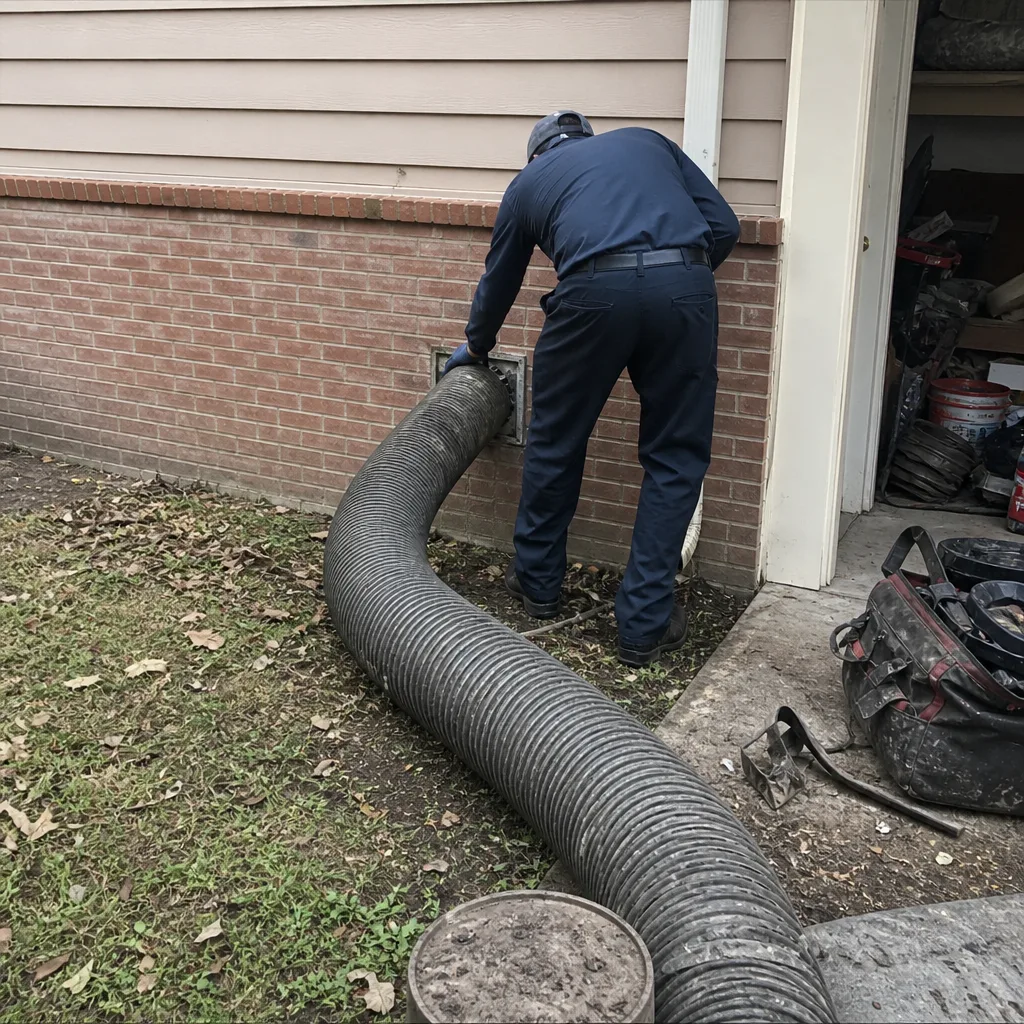 Before
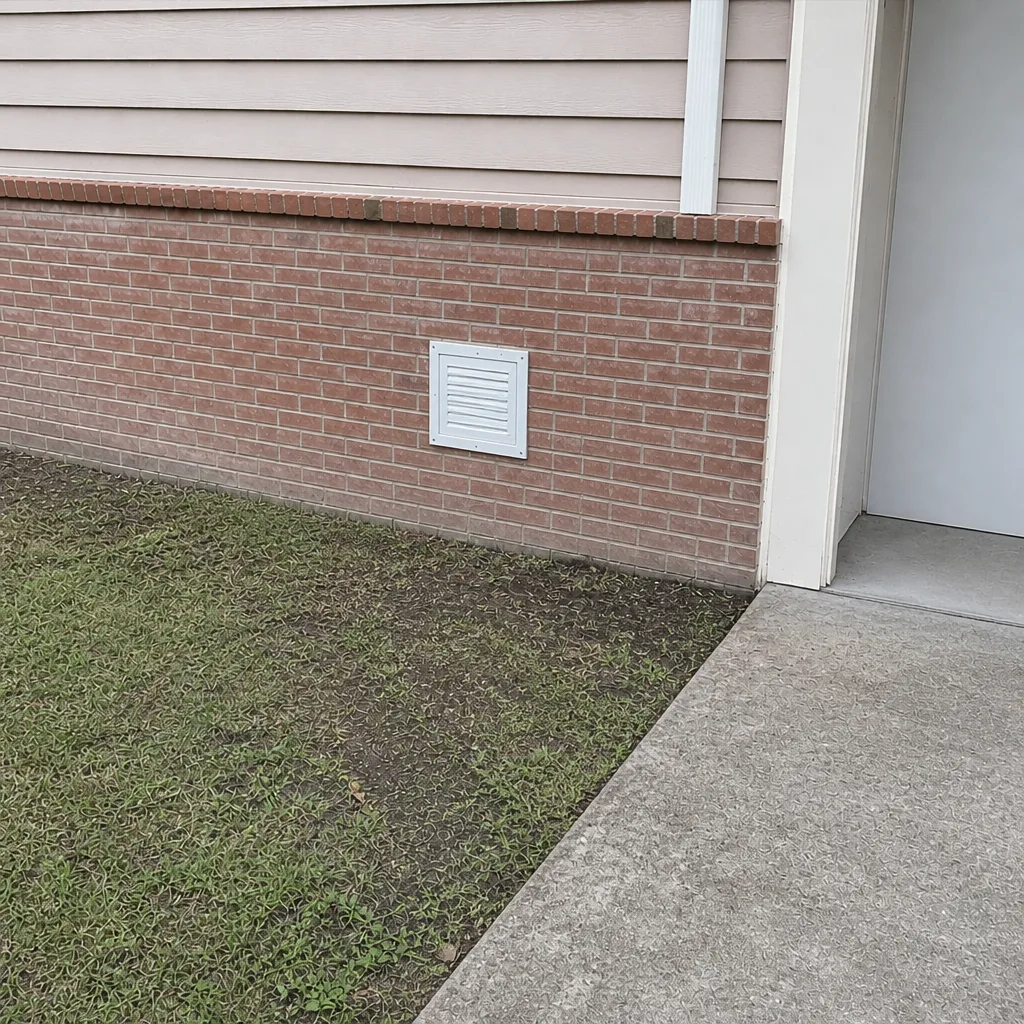 After
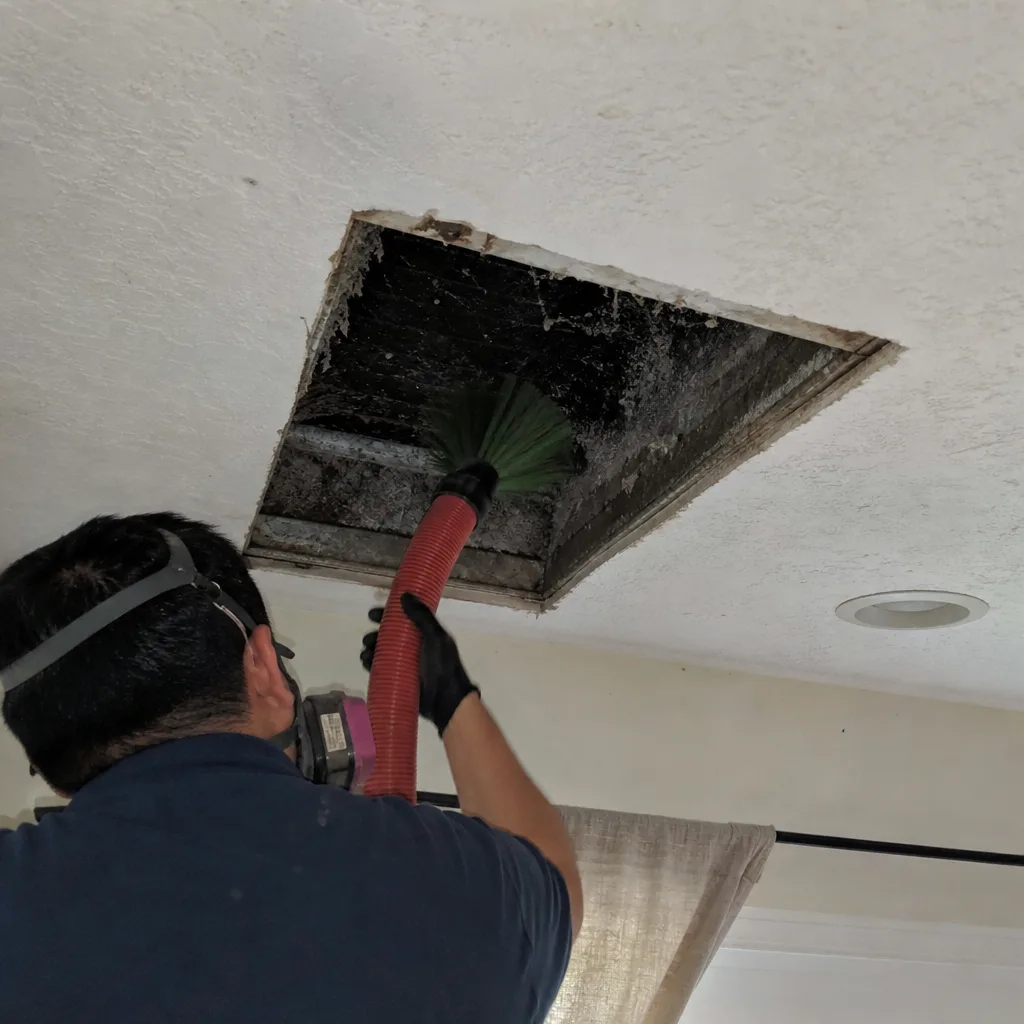 Before
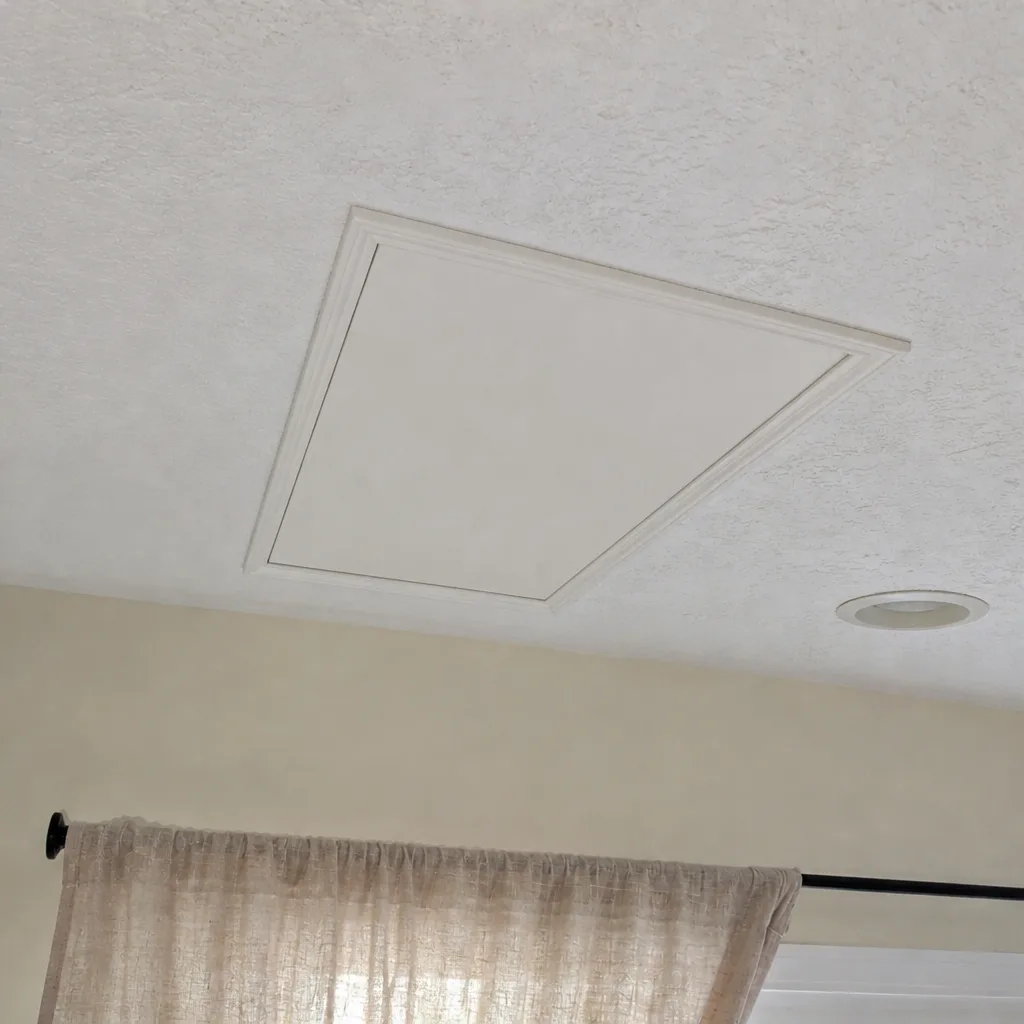 After
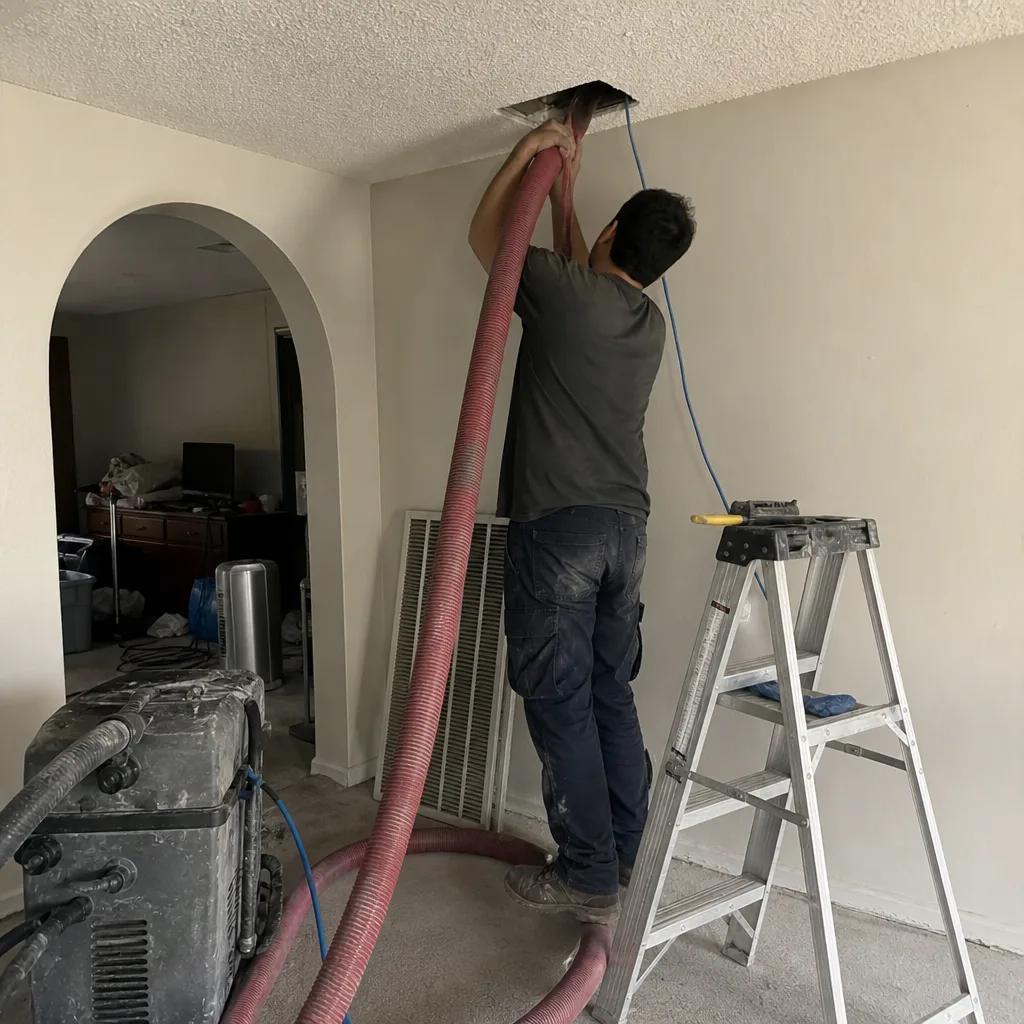 Before
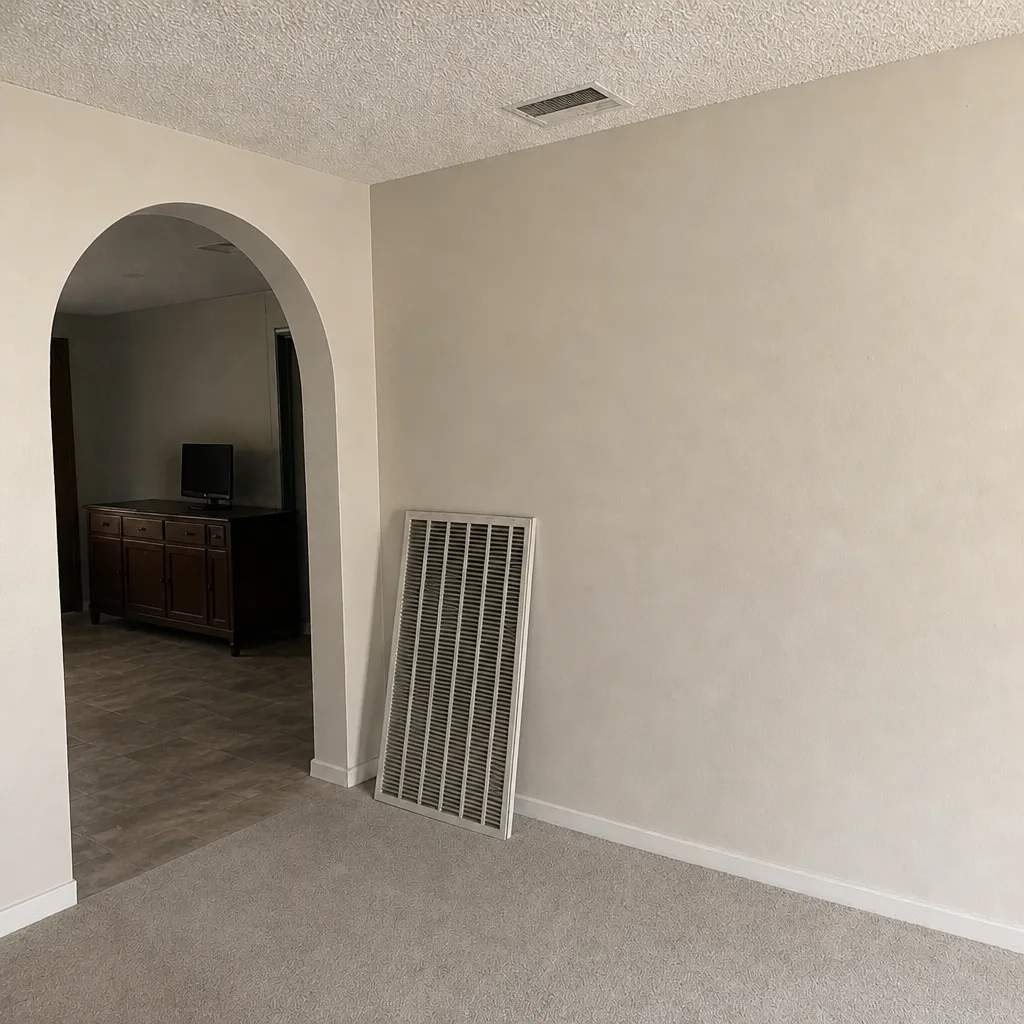 After
Dryer vent warning signs
Dryer vents are the fire-risk side of the duct system and deserve their own checklist. Signs a dryer vent has loaded up enough to matter:
- Loads take noticeably longer than they used to. Drying time creeping from 45 minutes to 90 is the most common early signal.
- The dryer or the closet it sits in runs hot. Warmth at the back of the dryer or the top of the closet suggests restricted exhaust.
- Lint appears behind the dryer or on the wall near the vent cap. Lint outside the vent line means the joint is leaking.
- The exterior flap doesn’t open fully when the dryer runs. Restricted airflow path, likely a blocked vent run.
- Burning smell. This moves from “schedule a cleaning” to “stop the dryer until it’s checked.”
Dryer vent lines in Energy Corridor homes are often long, with multiple elbows behind the dryer and through wall cavities. Every elbow collects lint. That’s why dryer vent cleaning is a monthly-or-yearly rhythm for many households rather than a once-in-a-decade task.
How a professional diagnoses a duct problem
Diagnosis is a set of measurements, not a guess. A well-run inspection walks through the system in a defined sequence:
- Walkthrough and photo log. Register-by-register inspection, with photos of halos, streaks, and rings so we’re comparing against a baseline, not a memory.
- Access and camera inspection. Where runs are accessible, camera inspection of the interior and joints reveals conditions a register glance can’t. Rotobrush and Nikro systems use this stage to map load before any cleaning starts.
- Static pressure and airflow measurement. Supply versus return pressure, and airflow at each register, tell us which side is underperforming.
- Joint and seal inspection. Leaks at collars, boots, and plenum connections are documented and photographed.
- Air handler and coil inspection. The evaporator coil and cabinet condition matter as much as the ducts – loaded coils and contaminated cabinets undermine any duct cleaning that follows.
- Written findings and a flat-price estimate. One price per system, agreed before any work starts, with the findings photographed.
That’s the diagnostic frame the Air Duct Cleaning Energy Corridor team applies on every visit. Our technicians have up to 15 years of experience, and the equipment on the truck is Rotobrush, Nikro, and the products from Abatement Technologies and Guardsman that we trust on the sanitizing side.
Common Mistakes to Avoid
- Treating a thermostat problem as a duct problem, or the reverse. A single warm room rarely comes from a failing thermostat. Before replacing it, have the duct system measured – one static pressure reading answers the question cheaply.
- Wiping registers and calling the job done. Dust returns within days because the upstream source wasn’t touched. Cleaning the visible grille surface doesn’t address the loaded duct or filter face.
- Cleaning without sealing. A cleaning on a leaky system loses much of its effect – the dirt comes back through the same leaks. Pair cleaning with Duct Repair & Sealing so the improvements hold.
- Choosing a quote by price alone. In this trade, the low number often comes from a per-vent rate with no whole-system scope. Ask for one flat price per system, documented before work starts, and before-and-after photos of your own ducts.
- Skipping the return side of the system. Many “why is my house so dusty” stories trace to a restricted return. If the return isn’t inspected, half the diagnosis is missing.
- Ignoring a dryer vent that’s still working. A dryer that runs is not a dryer that’s safe. Lint buildup is silent until it isn’t.
- Assuming foundation and roof work didn’t affect ducts. In pier-and-beam homes and after attic work, ducts can be compromised in ways the interior won’t reveal until a room goes flat.
When to Call a Professional
Call a professional if a room is stuck 4 to 6 degrees off the thermostat, if a register shows a dust halo that reappears within days, if you smell musty, burning, or chemical odors when the system runs, if allergy symptoms correlate to HVAC cycling, or if duct symptoms appeared after foundation or roof work. Dryer vents fall in the same category when drying times have lengthened or a burning smell is present. If you’re unsure, an inspection with photographs and a static pressure reading tells you exactly what you’re dealing with. Air Duct Cleaning Energy Corridor offers free estimates in Energy Corridor – call (855) 726-7308. We answer 24/7. Fast dispatch from 7am to 7pm, Sunday through Friday.
Frequently Asked Questions
Air duct cleaning in Energy Corridor typically runs a few hundred dollars for a whole-system cleaning on a standard home, with the final price set by the written estimate once the system is inspected. Larger homes, systems with multiple returns, and jobs that include sanitizing or duct sealing land higher on that range because the work is larger. We price one flat rate per system, agreed before work starts – no per-vent pricing, and no surprise line items once equipment is out. The written estimate is the final number. Call (855) 726-7308 for an exact quote – estimates are free.
Low quotes are usually structured to underdeliver: a per-vent rate that leaves returns, plenums, and the air handler cabinet out of scope, a cleaning that skips sanitizing on a system that needs it, or a scope that omits repair of joints found leaking. The cheapest quote on paper often doesn’t cover the same work. Ask for a flat price per system, a scope that names every component, and before-and-after photos of your own ducts. Call (855) 726-7308 for an honest estimate – estimates are free.
Before-and-after photos of your own ducts – not stock photos – plus a walkthrough at the end of the visit are the standard. Ask for photos of the air handler interior, register boots, and any joints that were sealed. A technician should be able to point to each photo and tell you what changed. That documentation is a reasonable expectation on every job. Call (855) 726-7308 to schedule a free estimate.
Every three to five years is a reasonable rhythm for most homes, with tighter intervals after renovation, roof work, or a foundation issue, and sooner if you’ve noticed dust halos returning, smells when the system runs, or symptoms correlating with HVAC cycling. Homes with pets, high occupancy, or recent moves often benefit from a review sooner. Call (855) 726-7308 for a free estimate and we’ll tell you honestly whether your system is due.
A room 4 to 6 degrees above the thermostat setting is almost always a duct condition – leakage, blockage, disconnection, or an undersized return – not a thermostat fault. The thermostat reflects one point in the house, not the room you’re feeling. A static pressure measurement locates the cause quickly. If a room has been warm since the house was built, the return may simply be undersized for the room’s supply. Call (855) 726-7308 for a free estimate that includes that measurement.
Turn the system off and schedule an inspection – a burning smell in the airstream means debris is sitting near a heating element, which is a fire concern rather than a cleaning task to defer. Don’t run the system to “see if it clears.” A technician should inspect the air handler, coil, and nearby duct runs before any cleaning. Call (855) 726-7308. We answer 24/7; a call outside dispatch hours is booked into the next opening, Sunday through Friday, 7am to 7pm.
The Bottom Line
The warning signs in your Energy Corridor home are diagnostic data points, not vague complaints. A warm room, a dusty halo, a smell when the fan cycles, and seasonal symptoms that track HVAC runtime each point to a specific duct condition – leakage, blockage, an undersized return, moisture, or a damaged run from foundation movement or roof work. Read them together, not one at a time, and you’ll know when to schedule an inspection rather than guess. Our team cleans the system and then makes sure it stays clean, using Rotobrush and Nikro equipment and Duct Repair & Sealing when the inspection finds loss points. Call (855) 726-7308. We answer 24/7. Fast dispatch from 7am to 7pm, Sunday through Friday. Estimates are free, and the price is set per job by the written estimate.
Written by the team at Air Duct Cleaning Energy Corridor.