
Last updated November 25, 2026
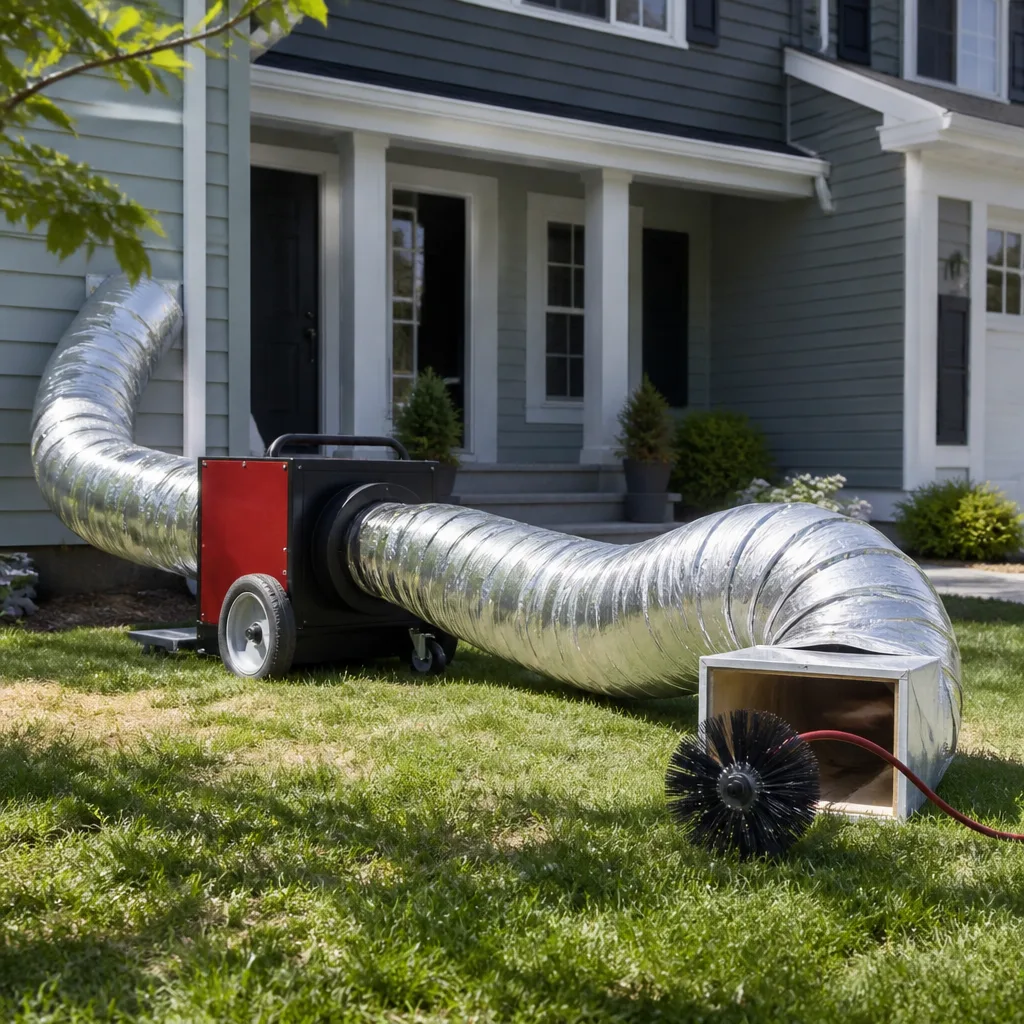 Whole-home duct cleaning
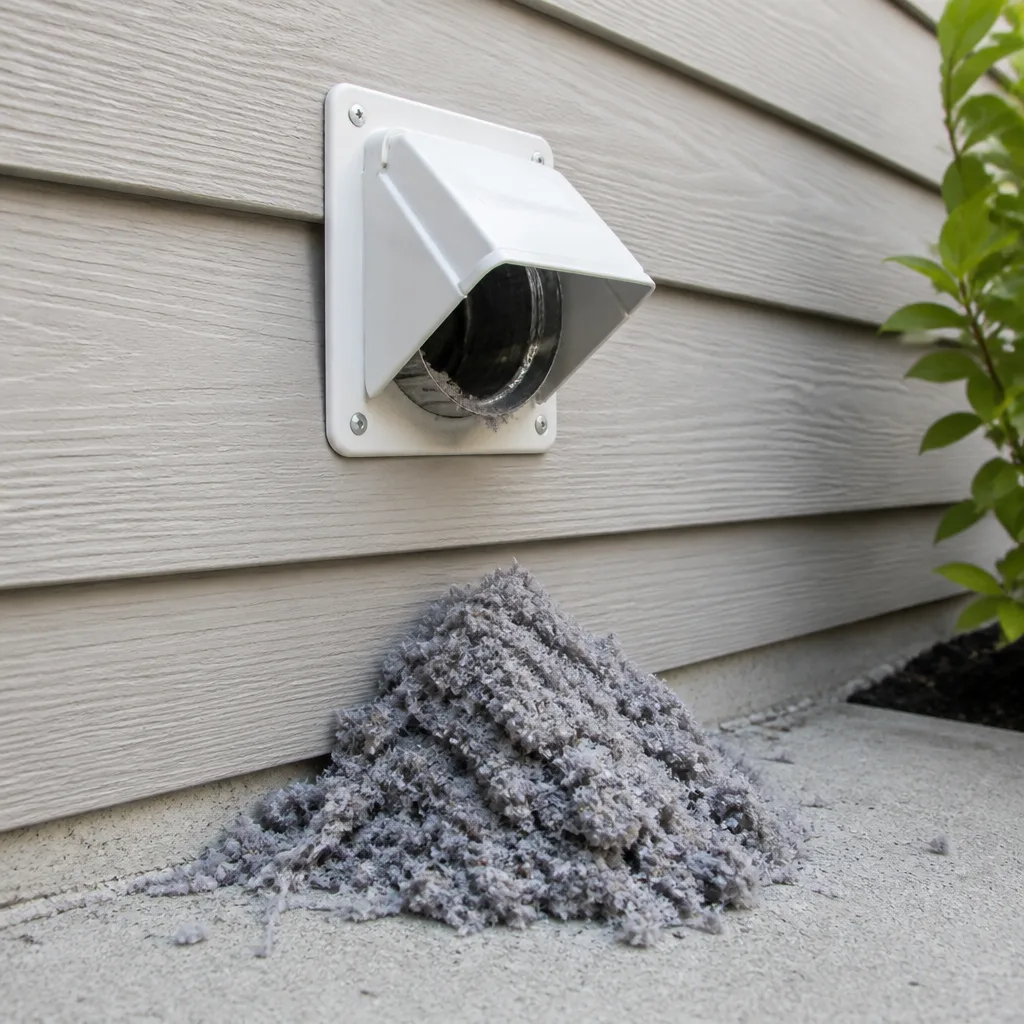 Dryer vent cleaning
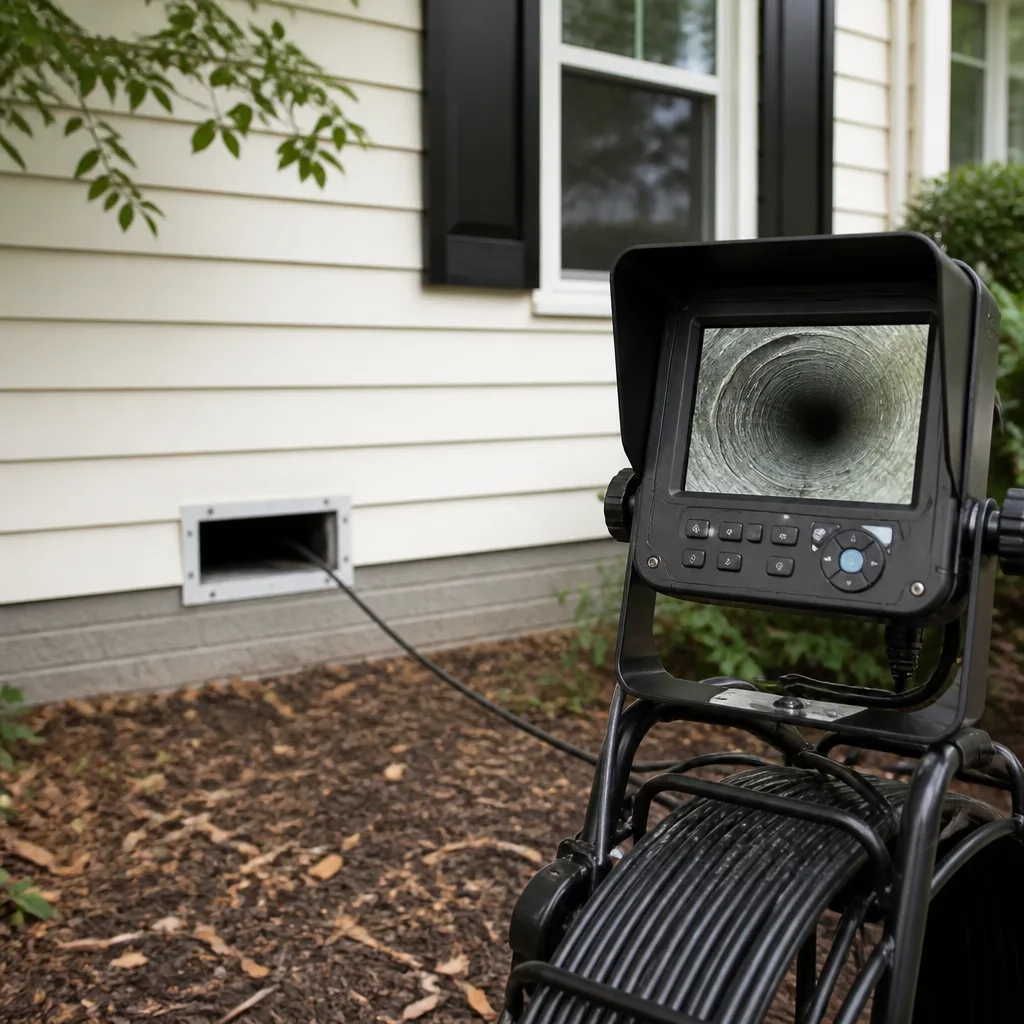 Camera inspection
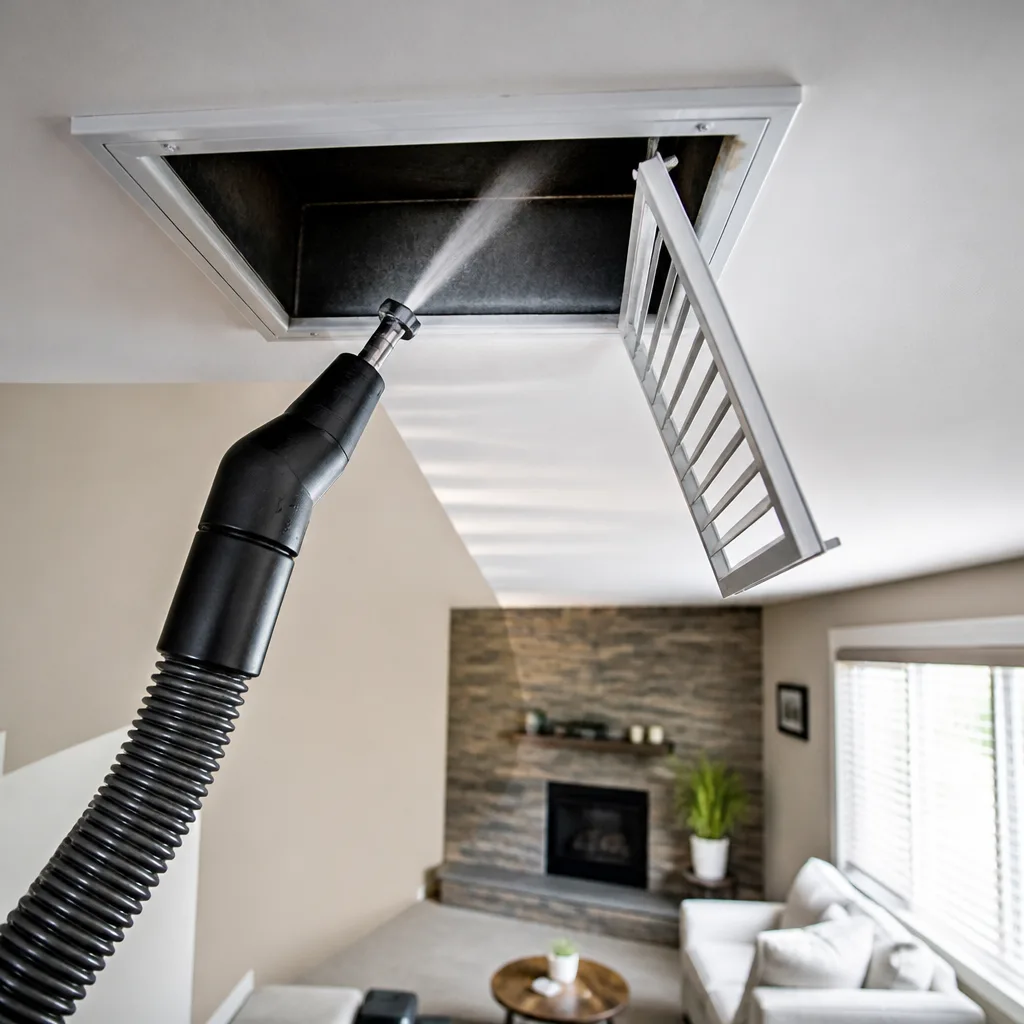 Sanitizing & deodorizing
Whole-system duct and dryer vent check with before-and-after photos - you see exactly what came out of your vents
That "$99 whole-house special" is a bait ad - the real number appears once they are in your hallway, or the "clean" is a shop-vac at the register. We photograph the inside of your ducts before and after instead.
Air Duct Cleaning Permits, Codes & Inspections in Energy Corridor, TX: What You Need to Know
Most homeowners assume the hard part is over once the ducts are clean. Then a technician points out a loose joint behind a ceiling register, a run that’s crushed in the attic, or a trunk line that’s leaking air into the garage. That’s where the regulatory conversation starts, and it catches people off guard. Cleaning a duct system is generally maintenance. Cutting, replacing, rerouting, or permanently sealing parts of that system is construction work with licensing and permit implications behind it. In Energy Corridor, where a large share of homes were built during the 1990s and 2000s energy-boom expansion and are now well into their first round of major HVAC work, that distinction comes up more often than people expect. This guide maps the line: what Texas and Harris County treat as cleaning versus modification, when a licensed HVAC contractor has to sign off, how permits interact with insurance claims, and what a home inspector or buyer will ask for when you sell.
Quick Answer
Air duct cleaning by itself almost never requires a permit in Energy Corridor or anywhere else in Texas, because it’s classified as maintenance rather than construction. Duct repair, duct replacement, rerouting, and new system modifications can require a permit and typically must be done by a licensed HVAC contractor under Texas state licensing rules, and Harris County enforces its own permitting layer on top. If the work goes beyond removing debris, ask who is licensed to perform it and whether a permit is needed before anyone starts.
Styles & brands we work with
- Whole-home duct cleaning
- Dryer vent cleaning
- Camera inspection
- Sanitizing & deodorizing
Table of Contents
- Cleaning vs. Modification: Where the Legal Line Sits
- When Texas Requires a Licensed HVAC Contractor
- Harris County Permits and Inspections: What Actually Gets Filed
- How Permits Interact With Insurance Claims
- What to Ask Before Any Duct Repair or Sealing Work
- Unpermitted Duct Work and the Home Sale Inspection
- A Walkthrough Checklist for Energy Corridor Homes
- Common Mistakes to Avoid
Cleaning vs. Modification: Where the Legal Line Sits
The confusion starts with the word “duct work.” It sounds like one category. Regulators treat it as two. Cleaning falls into maintenance, the same bucket as changing a filter or rinsing a condenser coil. Modification falls into construction, the same bucket as installing a new air handler or adding a return.
Here’s a practical way to tell them apart. If the work touches only the inside surface of the duct and leaves every component where it was, it’s cleaning. If the work changes the shape, location, material, or air-sealing properties of the duct system, it’s construction. Running professional-grade equipment from Rotobrush or Nikro through an existing duct run to pull out years of debris is cleaning. Cutting out a crushed flex run and replacing it with rigid duct is not.
What counts as cleaning-only
- Mechanical agitation of duct interiors with rotary brushes and whip lines
- Negative-pressure extraction connected to the main trunk
- Cleaning of registers, grilles, and diffusers while they remain in place
- Sanitizing duct interiors with products like Guardsman or Abatement Technologies as part of the cleaning cycle
- Filter replacement and register vacuuming
- Visual inspection with a camera to document before-and-after condition
What typically crosses into modification
- Cutting, splicing, or replacing sections of ductwork
- Adding, removing, or relocating supply or return registers
- Rerouting a duct run to fix a design flaw
- Mastic-sealing joints and seams as permanent air-sealing work, as opposed to cleaning-related gap treatment
- Installing a new plenum, transition, or duct-mounted component
- Any work that changes the system’s static pressure or airflow design
Our technicians have up to 15 years of experience, and the question we get most often in the Energy Corridor is some version of “am I allowed to do this myself?” The honest answer is: some of it, yes, and some of it, no. Removing and cleaning a floor register is a homeowner task. Replacing a trunk line is not.
When Texas Requires a Licensed HVAC Contractor
Texas licenses air conditioning and refrigeration contractors at the state level. The license covers the design, installation, repair, and maintenance of HVAC systems, and ductwork is part of that system. In plain terms: if the work involves repairing or altering the duct system rather than just cleaning its interior, Texas expects a licensed contractor to be responsible for it.
This matters because cleaning companies and HVAC contractors are regulated differently. A duct cleaning company operating professional equipment and doing debris removal is performing a maintenance service. A company replacing a collapsed duct run, sealing plenum joints as permanent repair, or reconfiguring a return is performing HVAC work that falls under contractor licensing.
Where the license requirement most often applies
- Duct replacement. Any time a section of duct is removed and new material goes in.
- Duct system redesign. Adding a run, deleting a run, or changing duct sizing to correct airflow.
- Permanent air sealing. Mastic or aerosol sealing done as a durable repair, not a cleaning byproduct.
- Connection to HVAC equipment. Work at the plenum, transition, or air handler tie-in.
- Work that requires a permit. A permit application generally requires a licensed contractor to pull it.
The practical upshot for Energy Corridor homeowners: it’s fine to hire a duct cleaning company for cleaning. It’s not fine to hire one to rebuild your duct system unless they hold the appropriate license or bring in someone who does. We’ve seen enough jobs where a “quick seal” turned into a permanent modification that we now explain this distinction before work begins. Our own scope covers cleaning, sanitizing, filtration support with products from Honeywell and Aprilaire, sealing, and repair, and we’re clear with customers about which parts of a job are maintenance and which are repair that a licensed HVAC contractor should handle.
How Much Does Air Duct Work in Energy Corridor Cost, and What Does the Permit Add?
Cleaning a typical whole-home duct system in Energy Corridor runs roughly $400 to $900 depending on the number of runs, the system size, and the amount of contamination. Duct repair and sealing work is priced separately, usually $300 to $1,200 for common repairs, and permit fees for HVAC-related work in Harris County typically add a modest amount on top of the contractor’s price. Here’s how the numbers generally break down.
| Service | Typical range | Permit generally required? |
|---|---|---|
| Whole-home duct cleaning | $400 – $900 | No |
| Register and grille cleaning only | $100 – $250 | No |
| Duct sanitizing after cleaning | $150 – $400 | No |
| Spot repair of a single duct run | $300 – $700 | Sometimes |
| Duct sealing (mastic, at accessible joints) | $500 – $1,200 | Often |
| Duct system modification or redesign | $1,000 – $3,000+ | Yes |
| HVAC cleaning (coils, blower, cabinet) | $300 – $700 | No |
These are typical estimates only, and they’re set by the written estimate for the specific home, not by a phone quote. Permit fees themselves are separate and are paid to the permitting authority, not to the contractor. If someone quotes you a cleaning price and then adds “plus permit,” ask which part of the job needs the permit and get the estimate in writing before work starts. Call (855) 726-7308 for a free estimate on the cleaning portion; the licensed HVAC contractor handles permit work on their side of the job.
Harris County Permits and Inspections: What Actually Gets Filed
Harris County, like most large Texas counties, issues permits for construction work that includes HVAC system modifications. A straight duct cleaning doesn’t generate a permit. A duct replacement or system modification usually does. The dividing line is whether the work changes the physical system in a way that affects code compliance, airflow design, or equipment safety.
Here’s how the process usually goes when a permit is in play.
- Scope is determined. A technician identifies that the work is modification, not cleaning.
- Contractor pulls the permit. The licensed HVAC contractor files with the permitting authority and pays the fee.
- Work is performed by the licensed contractor. Duct repair, sealing, or replacement happens under the permit.
- Inspection is scheduled. An inspector verifies the work meets code: duct material, sealing, support, and connections.
- Permit is closed out. The record is filed with the property address and available for future reference.
Most of this happens behind the scenes. What you should come away with is a paper trail, and that paper trail matters more than people realize. Other trades follow the same pattern. HVAC cleaning is maintenance and never needs a permit. Duct replacement is construction and often does.
One wrinkle specific to this area: Energy Corridor sits across parts of Houston and unincorporated Harris County, and permitting jurisdiction can vary by exact address. Some homes fall under city of Houston permitting, some under county, and some under municipal utility districts with their own layers. When a permit is needed, the safest move is to check with your specific jurisdiction before assuming. A licensed contractor will know which authority applies to your address; a cleaning company generally won’t.
How Permits Interact With Insurance Claims
This is where the regulatory question gets expensive. When duct work is tied to an insurance claim, the adjuster and the inspector both want to see documentation. In an Energy Corridor home, the common triggers are mold remediation after a slow leak, water damage from a roof failure during one of the area’s spring storms, or a claim for HVAC damage following a power surge.
Insurers care about permits for a specific reason: a permit record is third-party verification that the work met code. Without one, the insurer has no independent confirmation, and that affects both the payout and the liability picture going forward. If a warranty is written into the policy covering the repaired work, the absence of a permit can also complicate whether the warranty applies.
What documentation you want after a claim-related repair
- The permit application and final inspection record
- The contractor’s license number on the invoice
- A written scope of the work performed, distinguishing cleaning from repair
- Photos of the duct system before and after, taken by the technician
- Confirmation the work was performed under permit by a licensed HVAC contractor
- Any sanitizing documentation if biological contamination was involved
We’ve had customers ask us to clean ducts after a mold remediation and then discover the remediation company replaced a section of flex duct without a permit. That creates a claim problem: the insurer sees unpermitted construction work in a system they paid to have remediated. The fix is usually to get a licensed HVAC contractor to inspect, verify, and pull a permit retroactively if the jurisdiction allows. It’s a hassle. It’s cheaper than a denied claim down the road.
We can work with your insurer on the cleaning and sanitizing side of a claim. We use Abatement Technologies and Guardsman products for contamination control because insurers want to see specific, labeled products used, not a vague “we sanitized it” line on an invoice. For any permit work, the licensed HVAC contractor pulls the permit and handles the inspection.
What to Ask Before Any Duct Repair or Sealing Work
The single best protection you have as a homeowner is a short list of questions asked before the work begins. Here’s the list we recommend to every Energy Corridor customer who’s about to have repair or sealing done.
- Is this work cleaning or modification? Ask for it in writing. The answer determines everything downstream.
- Who is licensed to do the modification? Get the contractor’s license details and confirm they’re the ones performing the work.
- Will a permit be pulled? If the answer is “not needed,” ask why, and ask which jurisdiction they’ve confirmed with.
- What’s the scope in writing? Numbers of runs, materials, sealing method, and the specific repair.
- What documentation do I receive? Invoice with license number, before-and-after photos, permit record.
- What warranty comes with the work? Get it in writing and confirm whether it survives if you sell the home.
- Who handles the inspection? If a permit is pulled, ask who schedules the inspector’s visit.
A short set of questions like this is the difference between a clean paper trail and a mystery the next home inspector has to solve. The best companies will answer them without pushing back. If a company gets squirmy about question two, that’s your answer.
For cleaning and sanitizing, the questions are shorter. Use the Air Duct Cleaning Energy Corridor free estimate as a starting point. You get a written scope, before-and-after photos of your own ducts, and a flat price per system agreed before work starts, not a per-vent number that balloons on the day.
Unpermitted Duct Work and the Home Sale Inspection
Houston home inspectors are thorough, and duct work is easy to verify because it’s visible in the attic. When a seller lists a home in the Energy Corridor and a buyer’s inspector notices a duct run that’s been recently replaced or resealed, the first question is: was this permitted? If the answer is no, the deal usually gets negotiated down or becomes a repair demand.
Here’s what buyers and their agents actually ask for in this market.
- Permit records for any HVAC work done in the last several years
- Contractor invoices showing license numbers for duct repairs
- Confirmation that any duct cleaning was cleaning only, not disguised repair
- Photos documenting the state of the ducts at the time of cleaning
- Disclosure of any sanitizing or remediation work
If you’re selling and you can’t produce those records, you have options. A pre-listing duct inspection by a licensed contractor will tell you what’s there and what’s documented. If unpermitted work is found and the jurisdiction allows retroactive permitting, get it done before listing. If it doesn’t, disclose it and adjust. The house is going to be inspected anyway; getting ahead of it is cheaper than negotiating against a buyer who has leverage.
If you’re buying, air duct cleaning before closing is worth scheduling, especially if the prior owner was in the home for a long stretch without it. Buyers who get the ducts cleaned and inspected in the first few weeks of ownership also get to document the starting condition of the system, which becomes their baseline if work is ever needed later.
A Walkthrough Checklist for Energy Corridor Homes
Here’s what we look for during a system walkthrough, phrased as observations you can make yourself if you have attic access. It’s a diagnostic checklist, not a permit checklist; anything you spot on this list becomes the starting point for the permit conversation.
- Loose joints and disconnected runs. Look for gaps at the plenum and where duct sections meet. A gap means air loss and, often, duct modification.
- Crushed or kinked flex duct. Flex duct compressed at a bend or squashed against a joist is a design problem, not just a dust problem.
- Duct tape instead of mastic. Duct tape degrades in a Texas attic within a few years. Work sealed with tape instead of mastic may not meet code on inspection.
- Mold growth or musty odor. Indicates moisture intrusion, which triggers a different set of questions about the source and whether it compromised the system.
- Visible pest activity. Droppings or nesting material in the ducts means cleaning plus investigation of how the pests got in, which is often through a joint that’s no longer sealed.
- Uneven airflow room to room. Points to a duct design issue that a cleaning won’t fix.
- Recent duct replacement visible in the attic. Ask who did it and whether a permit was pulled.
- Newer HVAC equipment with older ductwork. Common in Energy Corridor homes where the system was updated but the ducts weren’t. That mismatch is where a lot of modification work starts.
None of this diagnoses your specific system. It tells you what to point out to a technician, and it gives you a head start on the questions above.
See the difference
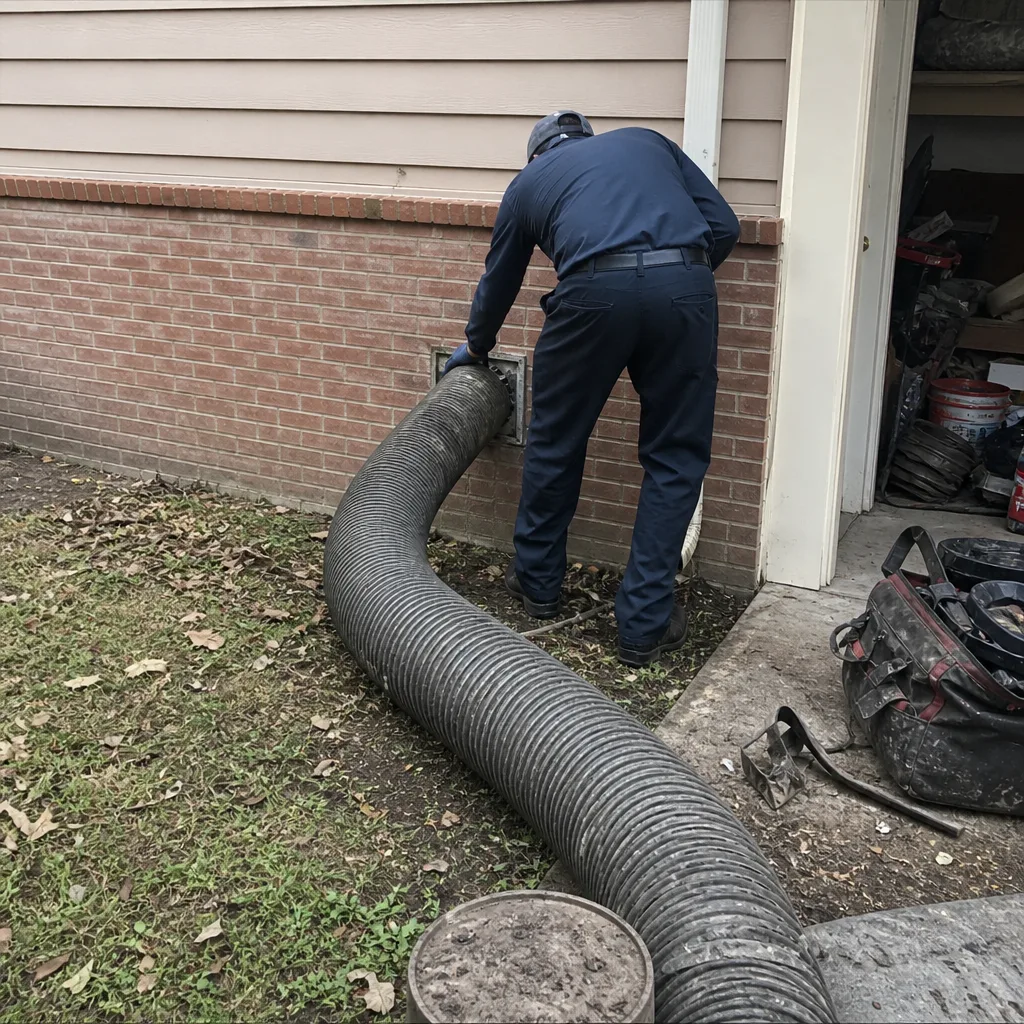 Before
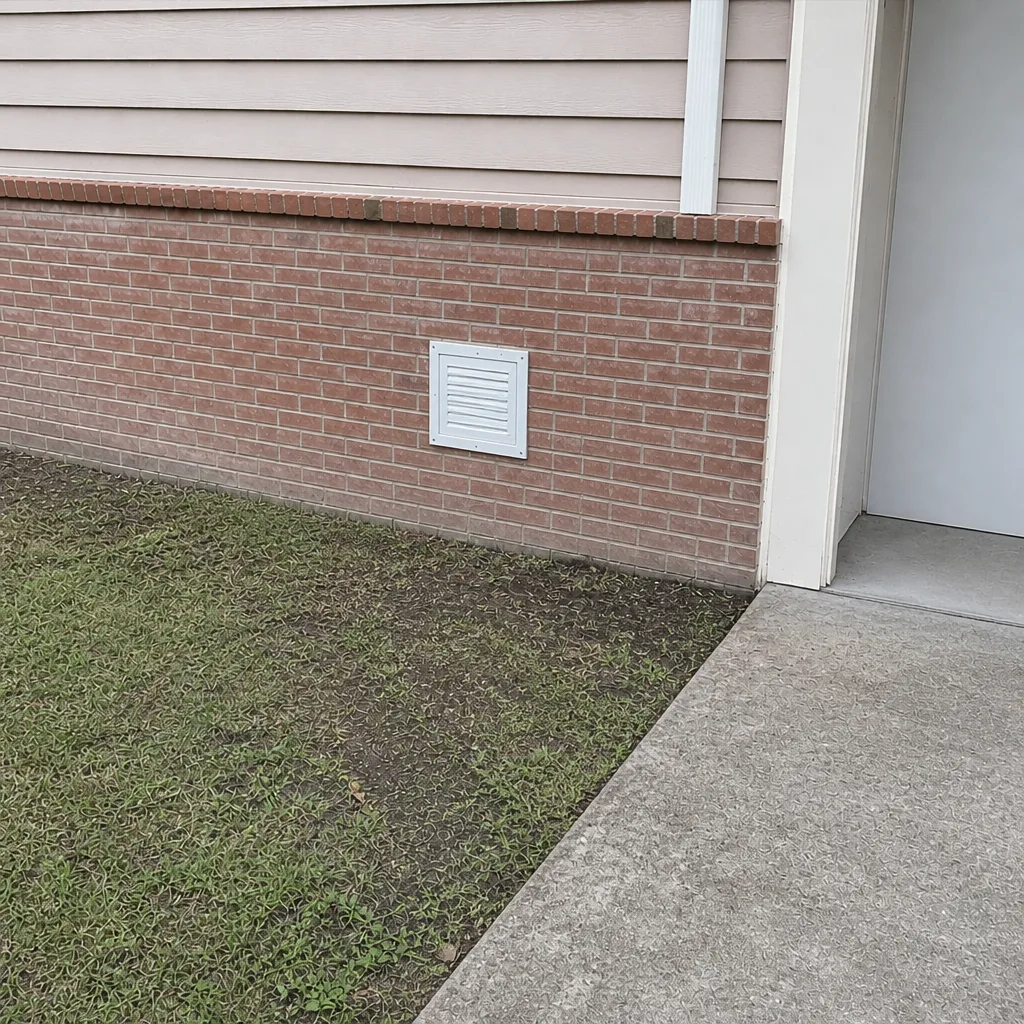 After
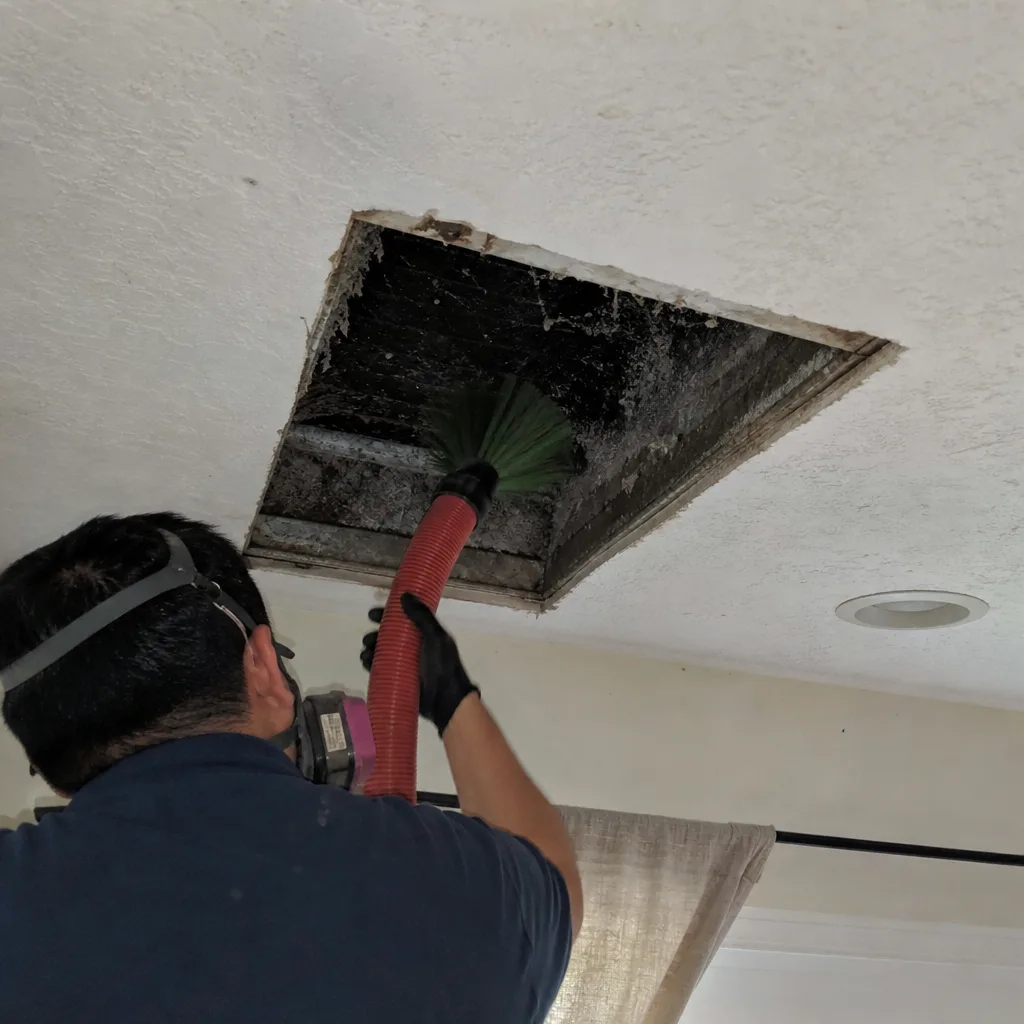 Before
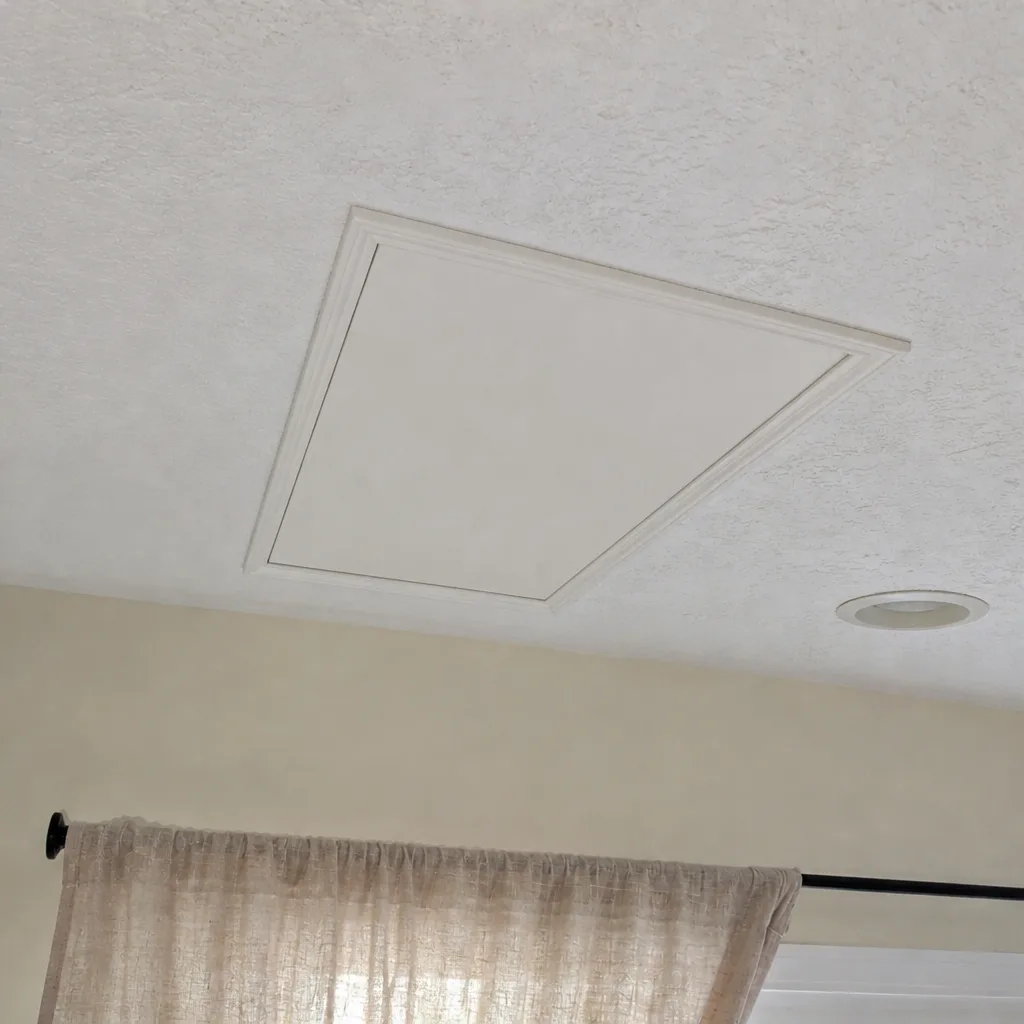 After
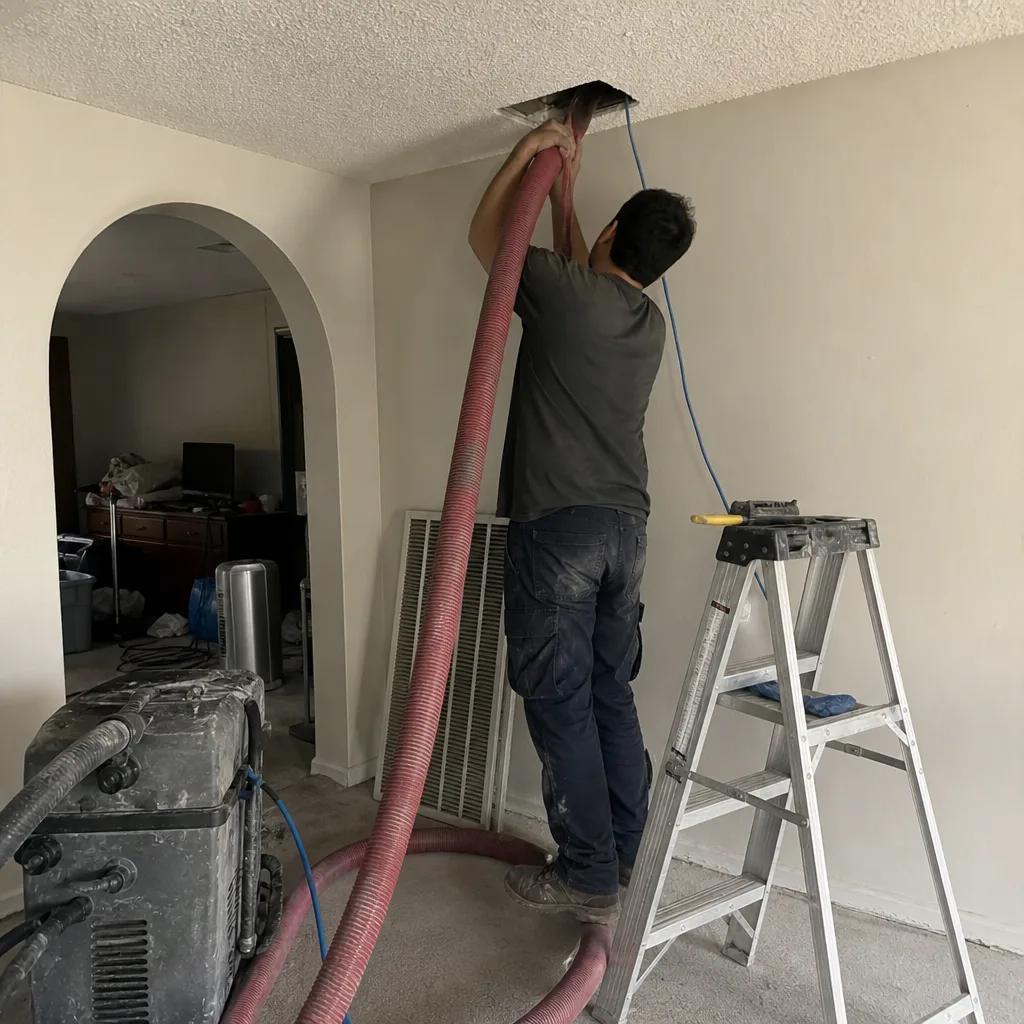 Before
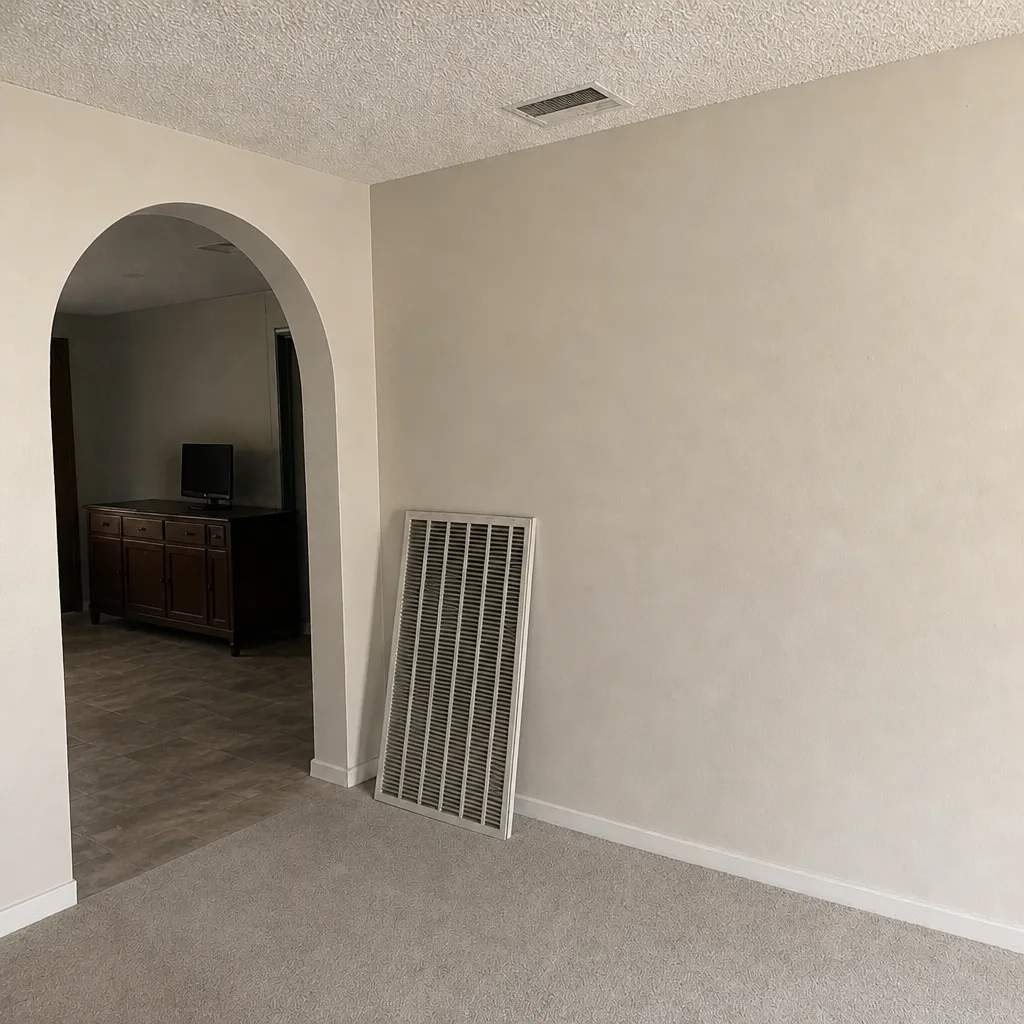 After
Dryer Vent Cleaning and Code: A Separate Conversation
Dryer vent cleaning lives in a different regulatory lane than air ducts, and it’s worth a short section because the confusion is common. Dryer vent work isn’t generally permitted the way duct modification is, but the vent itself is subject to installation requirements around length, material, and venting termination. Lint buildup is a fire hazard, and cleaning the vent line is maintenance.
When the vent has to be rerouted or replaced, that’s when the work gets into the same territory as duct modification: licensing and permit questions can apply. A separate service call for dryer vent cleaning is straightforward maintenance and worth scheduling annually if the dryer is used heavily, especially in households where the laundry room shares a wall with the attic.
Common Mistakes to Avoid
- Assuming cleaning includes repair. Cleaning removes debris; it doesn’t fix a crushed duct. If a technician tells you a run needs replacement, that’s a different job with different requirements. Get the scope of each in writing before agreeing to either.
- Letting a cleaning company do repairs without asking about licensing. A company equipped with Rotobrush or Nikro equipment and the ability to clean is not necessarily licensed for repair work. Ask who will perform the repair and confirm the license.
- Skipping the permit to save a few hundred dollars. Unpermitted HVAC work in Harris County can surface years later at a home sale or insurance claim, and the cost of dealing with it then is much higher than the permit fee would have been.
- Accepting a verbal quote. The permit question has to be answered in writing, along with the scope and the license number. A verbal “we’ll take care of it” leaves you with no record if the work is later questioned.
- Not documenting after remediation or a claim repair. If an insurance claim paid for the work, get photos and the invoice with license number. Insurers ask for these later, and reconstructing them is hard.
- Assuming cleaning alone solves airflow problems. Uneven cooling in a two-story Energy Corridor home often traces to a duct design issue a cleaning won’t touch. Cleaning helps; duct repair and sealing solve.
- Waiting until a home sale to check the paper trail. If you’re thinking about selling in the next year or two, pull the permit records now. It’s easier to correct anything missing while you’re still the owner.
When to Call a Professional
Call a professional when the duct work goes beyond cleaning. Visible gaps at joints, crushed runs, duct tape where mastic should be, pest activity, musty odors after a leak, or airflow problems a cleaning didn’t fix are all signs of a system modification job, and that’s the point to have a licensed HVAC contractor involved. For cleaning itself, the same trigger applies if you’ve never had the ducts done or if it’s been years and you’re seeing dust buildup on registers and in air returns.
If you’re unsure which category your system is in, a walkthrough settles it quickly. Air Duct Cleaning Energy Corridor offers free estimates in Energy Corridor. Call (855) 726-7308. We answer 24/7. Fast dispatch from 7am to 7pm, Sunday through Friday. We clean the system with professional-grade equipment, we sanitize when contamination is present, we seal and repair what needs it, and we tell you when a job crosses into work that needs a licensed contractor and a permit.
Frequently Asked Questions
No. Air duct cleaning in Energy Corridor is classified as maintenance and doesn’t require a permit, because it doesn’t change the physical duct system. Duct repair, replacement, or modification work is different, and that’s where permits and licensing come in. Call (855) 726-7308 for a free estimate and we’ll walk you through which category your job falls into.
Usually yes, if the sealing is a permanent repair. Mastic sealing and aerosol sealing done as durable repair work on the duct system generally falls under Texas HVAC contractor licensing. Cleaning-related gap treatment during a cleaning visit is a different matter, and we’re clear about which is which before work starts. Call (855) 726-7308 to schedule a walkthrough.
The buyer typically asks for documentation or a repair credit, and the deal gets negotiated. Unpermitted HVAC work can also complicate an insurance claim if the claim relates to that system. The fix is usually a licensed contractor inspection and, where the jurisdiction allows, retroactive permitting. It’s worth pulling your permit records before you list. Call (855) 726-7308 for a pre-listing system walkthrough.
Usually because the quote is a teaser price for one small part of the job, and the real price is added once the technician is on site. We price per system, not per vent, and the price is agreed from the written estimate before work starts. You also get before-and-after photos of your own ducts. Call (855) 726-7308 for an honest whole-system estimate.
Typical whole-home duct cleaning in Energy Corridor runs about $400 to $900, depending on system size and contamination level. Sanitizing and repair are priced separately, and any permit fees are paid to the permitting authority. Estimates are free, and the written estimate sets the final price. Call (855) 726-7308 for yours.
Every few years for most homes, more often after renovation, a pest issue, water damage, or a move-in. Homes with pets, heavy allergy concerns, or a long stretch without service benefit from more frequent cleaning. The right interval depends on your specific system and how it’s used. Call (855) 726-7308 and we’ll give you a straight answer for your home.
The Bottom Line
Air duct cleaning is maintenance. Duct repair, sealing, replacement, and modification are construction work with licensing and permit implications under Texas state rules and Harris County permitting. The distinction matters most in three situations: when a technician finds a problem during a cleaning, when an insurance claim pays for the work, and when the home goes on the market. Document everything, ask who’s licensed before work begins, and confirm whether a permit is needed in writing. Our scope covers cleaning, sanitizing, filtration support, and sealing, with the repair work structured and documented the way it should be. Air Duct Cleaning Energy Corridor serves Energy Corridor homeowners and property managers; call (855) 726-7308 for a free estimate.
Written by the team at Air Duct Cleaning Energy Corridor.