
 Dryer vent cleaning
 Whole-home duct cleaning
 Camera inspection
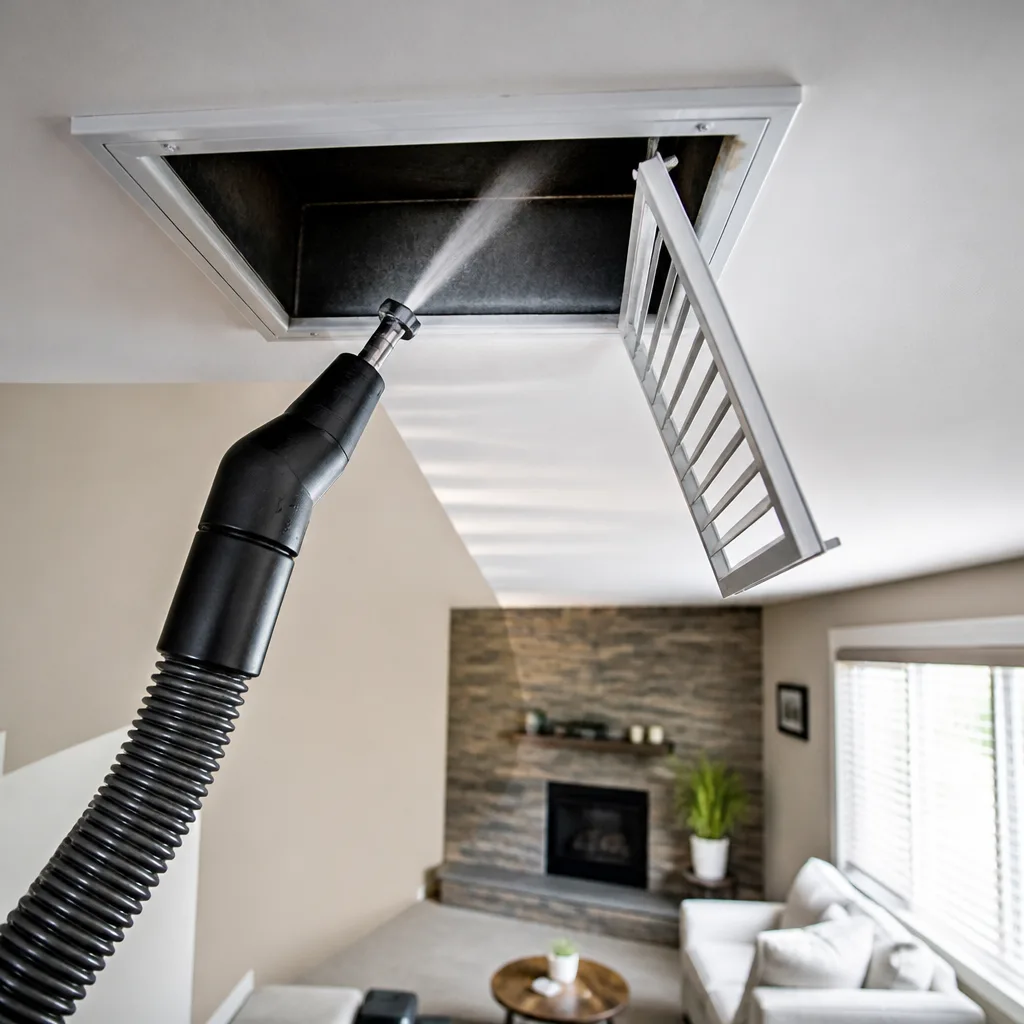 Sanitizing & deodorizing
Whole-system duct and dryer vent check with before-and-after photos - you see exactly what came out of your vents
That "$99 whole-house special" is a bait ad - the real number appears once they are in your hallway, or the "clean" is a shop-vac at the register. We photograph the inside of your ducts before and after instead.
Fast, Reliable Dryer Vent Cleaning Across Energy Corridor
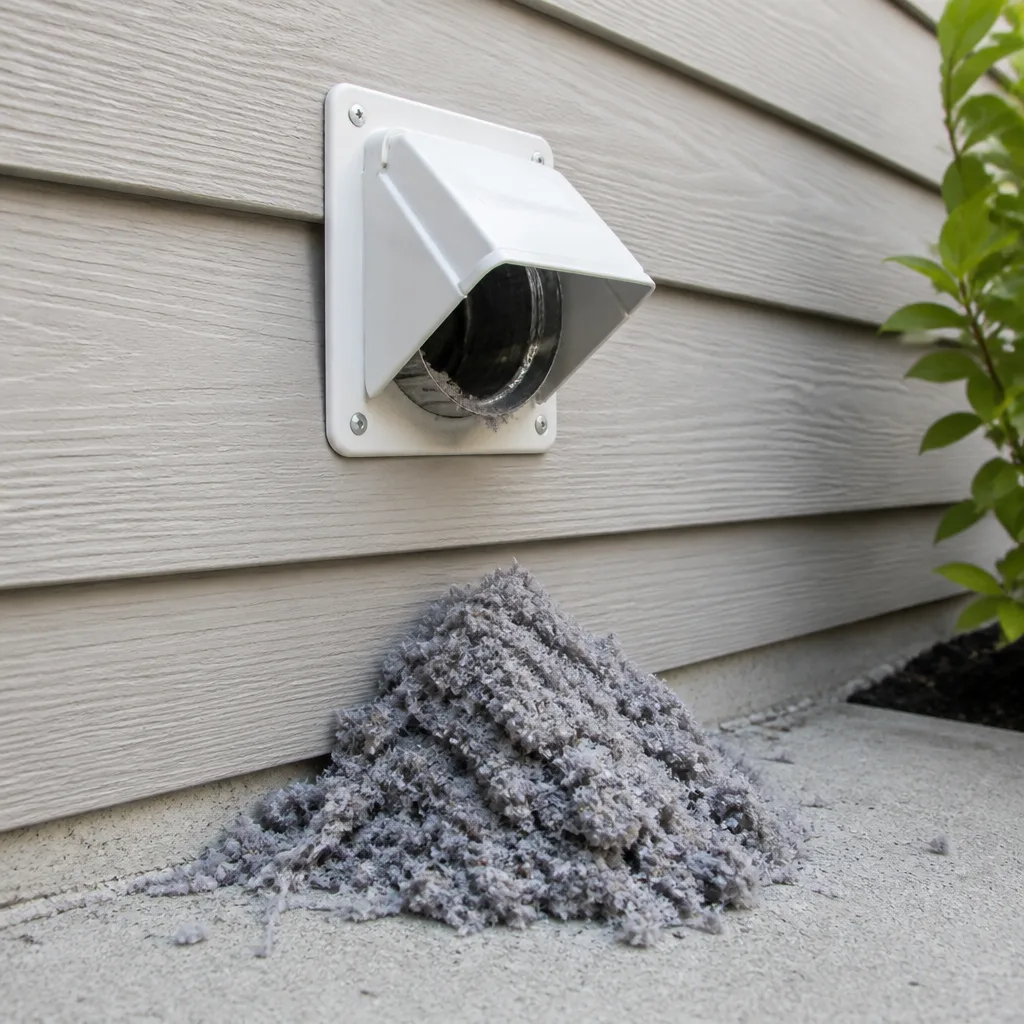
If your dryer takes two cycles to finish a load, the vent run behind it is probably restricted. We handle dryer vent cleaning across the Energy Corridor, from the 1970s and 1980s subdivisions near Memorial Parkway and the Eldridge-area tracts to the older homes tucked off the Katy Freeway feeder roads. This is a corridor where the laundry room is small, the dryer backs against a brick-veneer wall, and the vent disappears up into an attic that bakes at 130°F+ for most of the year. That combination is why lint builds up faster here than the manufacturer’s manual ever anticipates. Call (855) 726-7308 and we’ll get an inspection on the calendar.
Why Energy Corridor Homeowners Call Air Duct Cleaning Energy Corridor for Dryer Vent Cleaning
Dryer vent work in the Energy Corridor rarely starts and ends with a vacuum. Our technicians have up to 15 years of experience with the specific configuration we find here: a dryer pushed against an exterior wall in a utility closet, the vent climbing through a hot attic in flexible duct before terminating at the roof or soffit. We run a camera down that pathway first, because crushed and disconnected sections behind the dryer are routine and invisible without one. Vacuuming what you can reach and calling it done leaves most of the lint sitting in the run.
We’re also set up for the office and hotel side of the corridor, where a tenant complaint or a post-flood remediation requirement drives the call. Facility managers along I-10 expect before-and-after photo evidence and reporting they can hand upstairs, not a receipt. That standard carries over to every home we inspect. Same-day service is often possible. Call (855) 726-7308 for a free estimate.
Styles & brands we work with
- Whole-home duct cleaning
- Dryer vent cleaning
- Camera inspection
- Sanitizing & deodorizing
Our Dryer Vent Cleaning Services in Energy Corridor
Dryer Vent Inspection
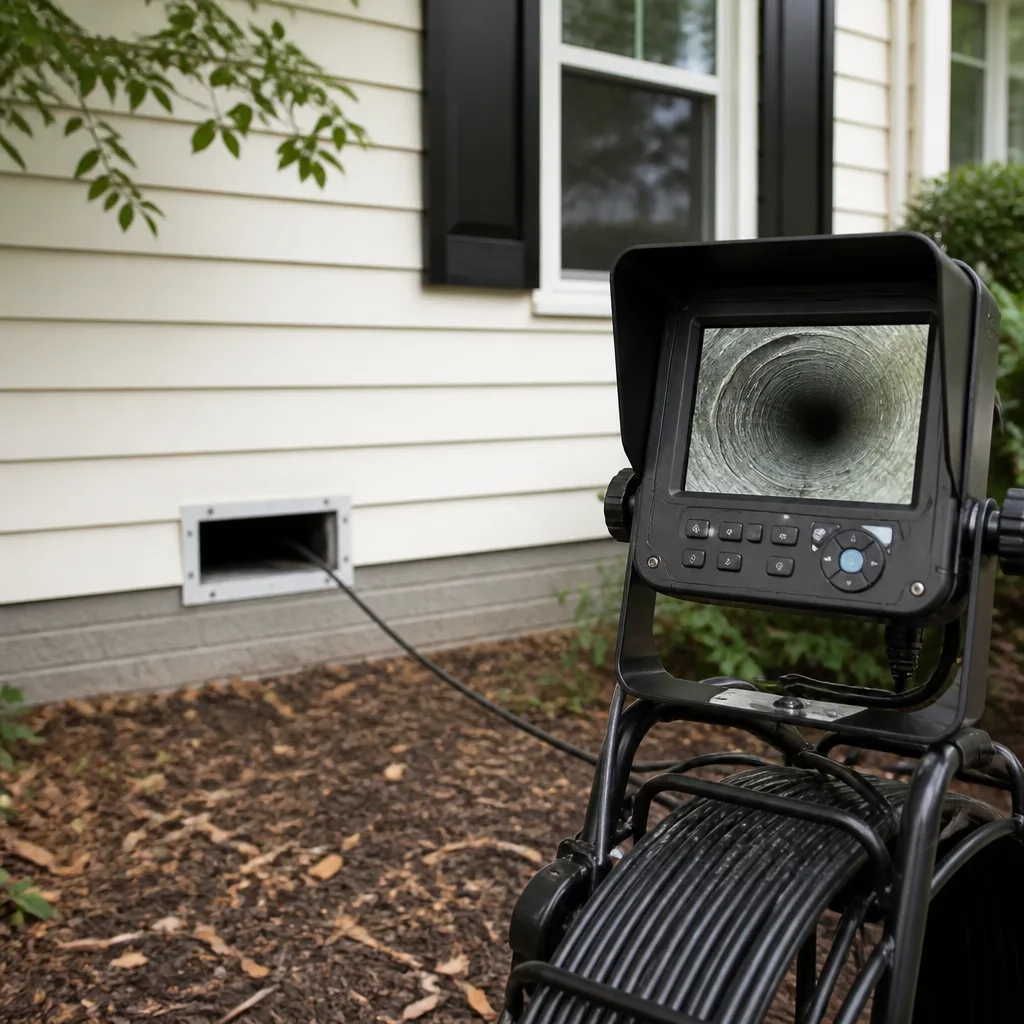
Most Energy Corridor vent problems are found by camera, not by eye. We inspect the full lint pathway from the dryer connection point to the exterior termination, and we flag crushed sections, separated joints, sagging low points, and terminations clogged with lint and Katy prairie pollen debris. If the run is clear, we tell you that and don’t sell you work you don’t need.
Vent Cleaning
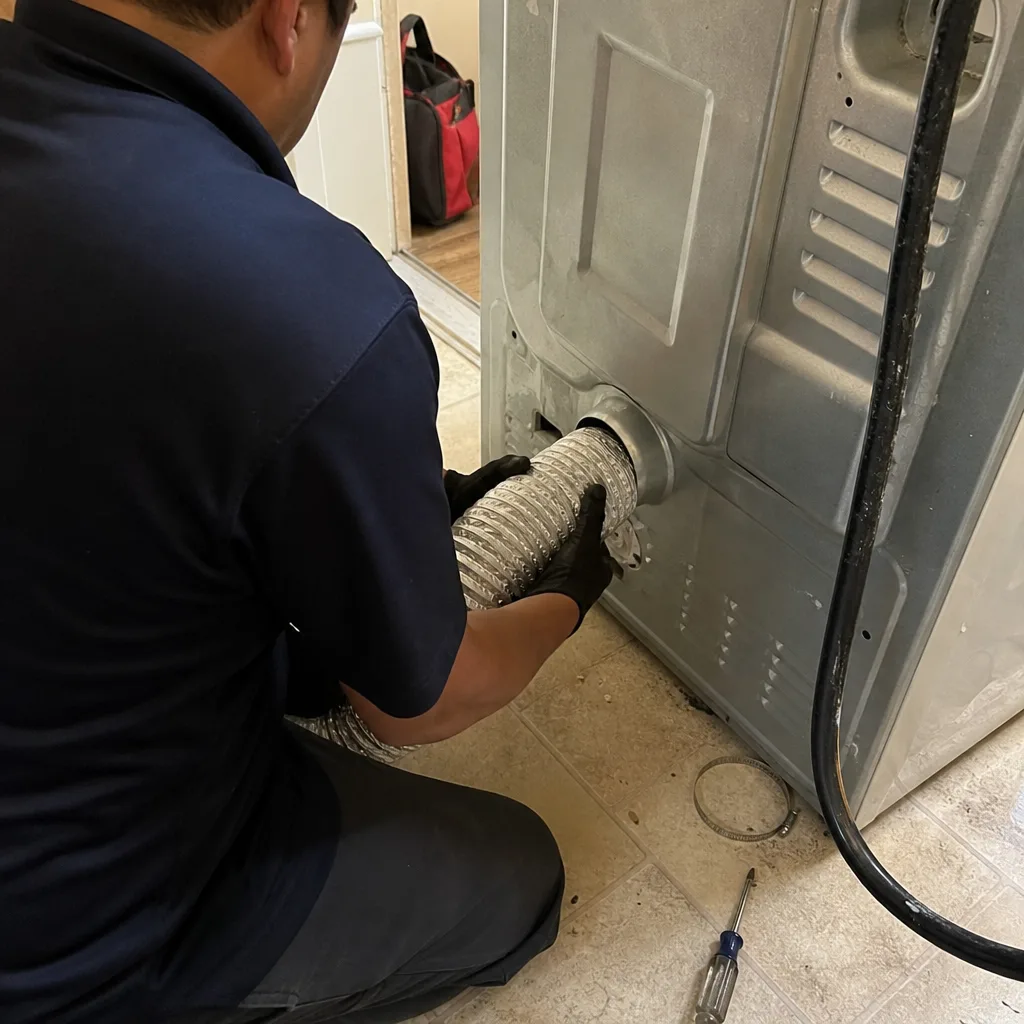
We use agitation tools and negative pressure with HEPA filtration to pull accumulated lint from the whole run, not just the first few feet. That matters in Energy Corridor homes where the vent travels up through an attic at 130°F+ and sags between hangers. A trap-and-cap cleaning pulls almost nothing out of the low points where lint actually collects. We show you before-and-after photos of your own vent when we’re done.
Lint Removal
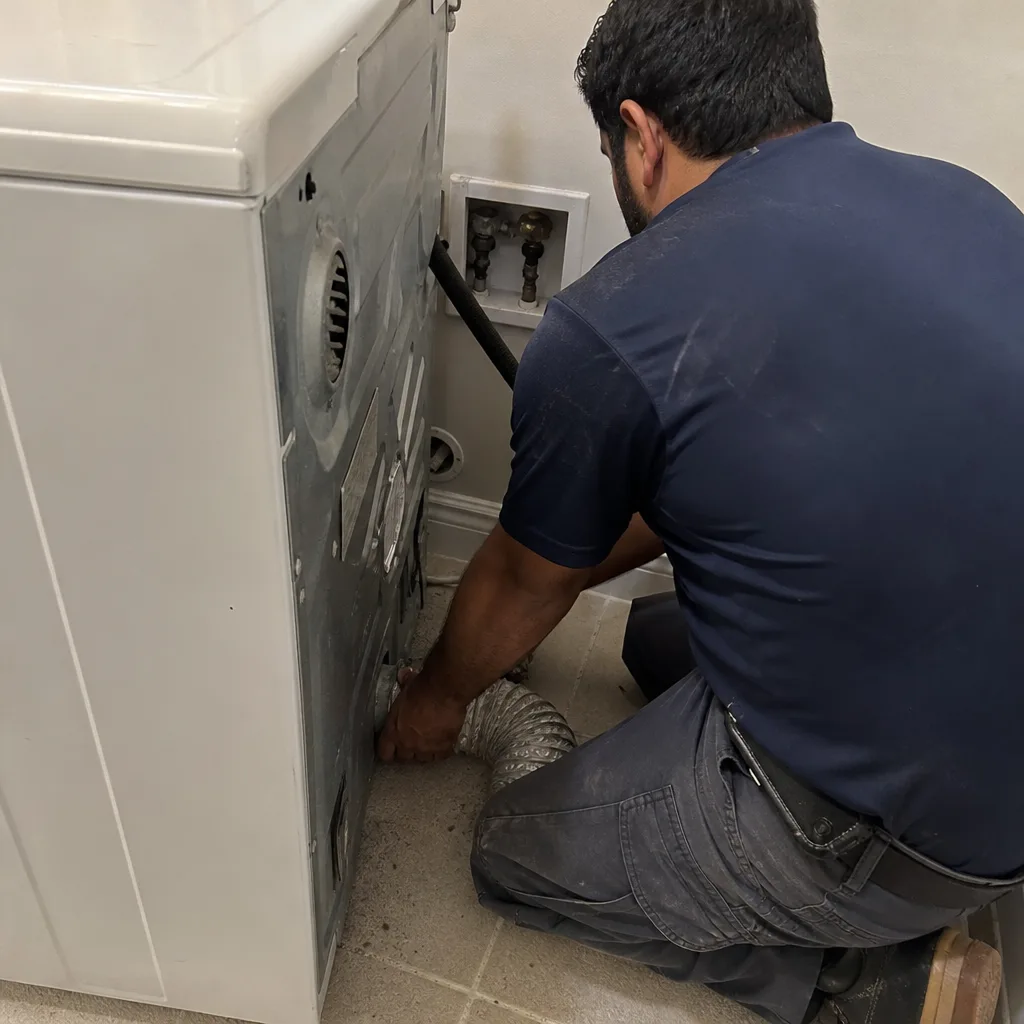
Beyond the vent itself, lint collects in the dryer cabinet, behind the drum, around the blower housing, and in the immediate connection behind the unit. We clear all of it. In a corridor where the same humid Gulf air feeds every laundry room, that buildup stays damp and dense rather than drying out and blowing away on its own.
Vent Rerouting
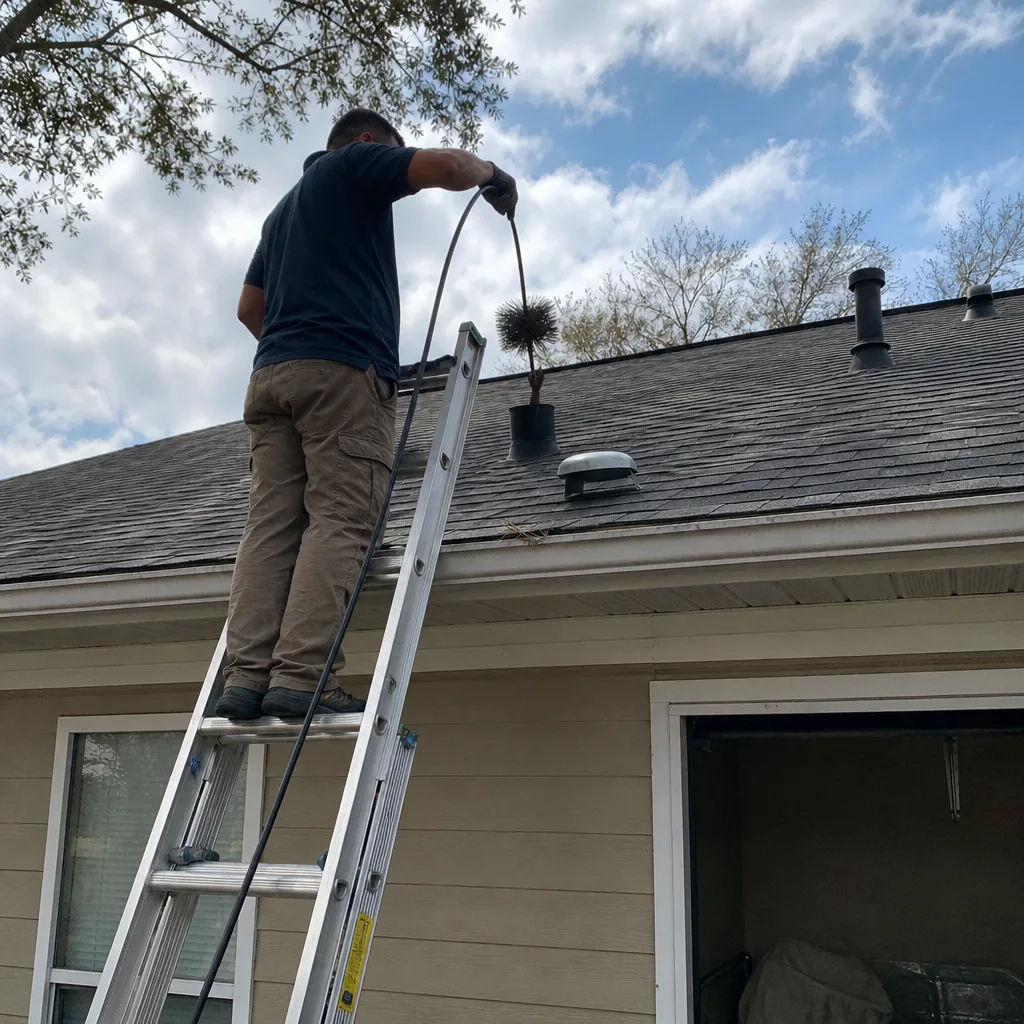
Sometimes the right answer is to change the path. When the original run is too long, has too many elbows, or climbs a roofline it shouldn’t, we reroute it to exit closer to the dryer, ideally straight through the wall or soffit. Shortening the run is often the real fix, because it removes the sag points where lint traps. This is the work many cleaning-only contractors won’t quote, and it’s the work that keeps the vent clean longer.
Trusted Brands We Service in Energy Corridor
We work with professional-grade equipment including Nikro duct cleaning systems, and our full-system air quality work brings in Honeywell and Aprilaire filtration components. If a question comes up about your existing filtration or vent components, we can diagnose and explain it. We don’t claim to stock parts or warranty brands we haven’t been certified for. What we do is bring the right tools to the inspection, document what we find, and tell you plainly what needs fixing and what’s already fine. Call (855) 726-7308 if you’d like us to take a look.
Common Dryer Vent Cleaning Problems We See in Energy Corridor Homes
- Long attic-routed flex runs that sag and trap lint. In the 1970s and 1980s slab-foundation homes here, the vent often climbs up through a 130°F+ attic instead of exiting straight out the back. The heat softens the flexible duct, it sags between hangers, and lint piles up at every low point rather than making it to the termination.
- Crushed or disconnected sections behind the dryer. When the dryer is pushed tight against a brick-veneer wall, the first few feet of the connection get bent and compressed. Nobody sees it, and the dryer keeps running on a restricted lint pathway. This is the finding that camera inspection catches and a blind vacuum misses.
- Roof and soffit terminations clogged with lint plus prairie pollen. The Energy Corridor sits on former Katy prairie, and the spring load of grass pollen and live oak debris packs into exterior caps on top of the lint. A cap that’s fully packed stops the flapper from opening, and a flapper that doesn’t open doesn’t vent.
- Missing or damaged bird guards. A broken guard lets birds and wasps nest in the termination, and nesting material blocks the flapper. In a corridor where housing sits close to open drainage corridors and greenbelts, this happens more than you’d expect.
See the difference
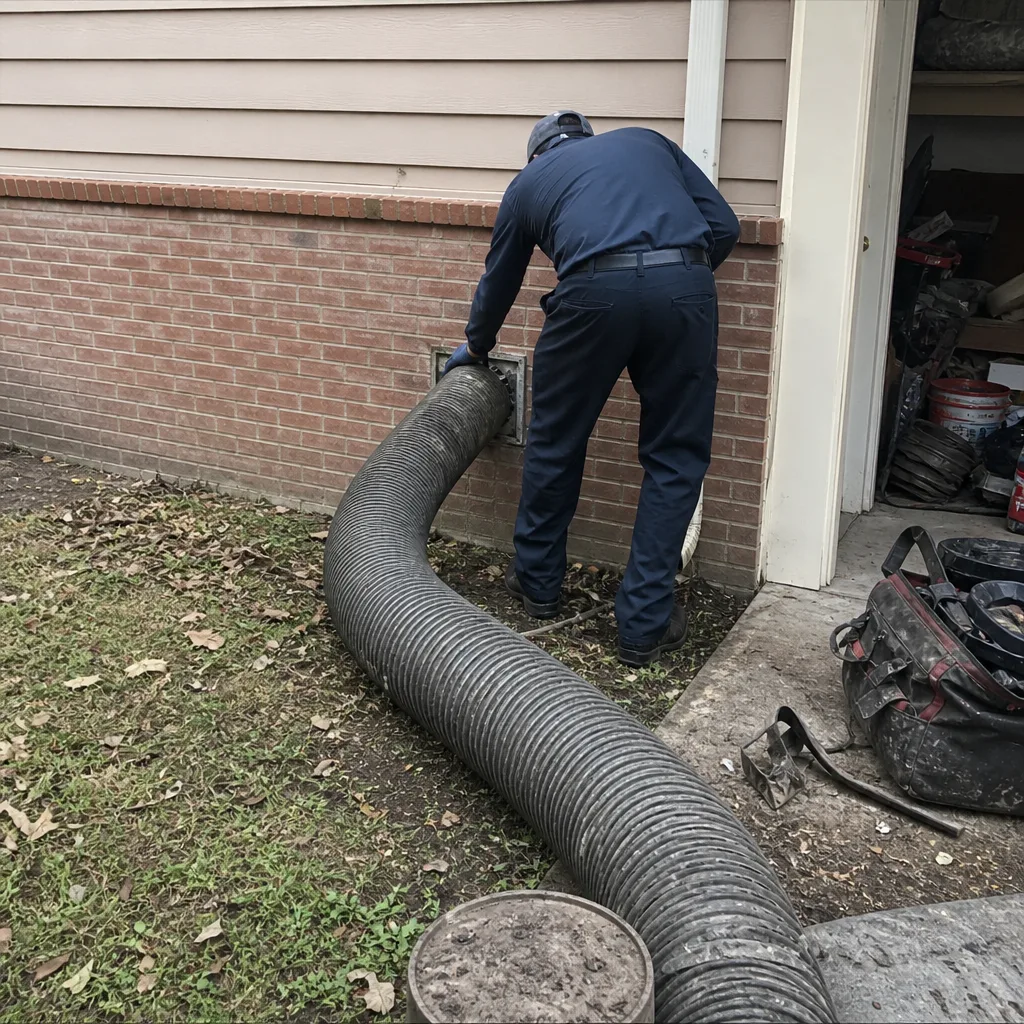 Before
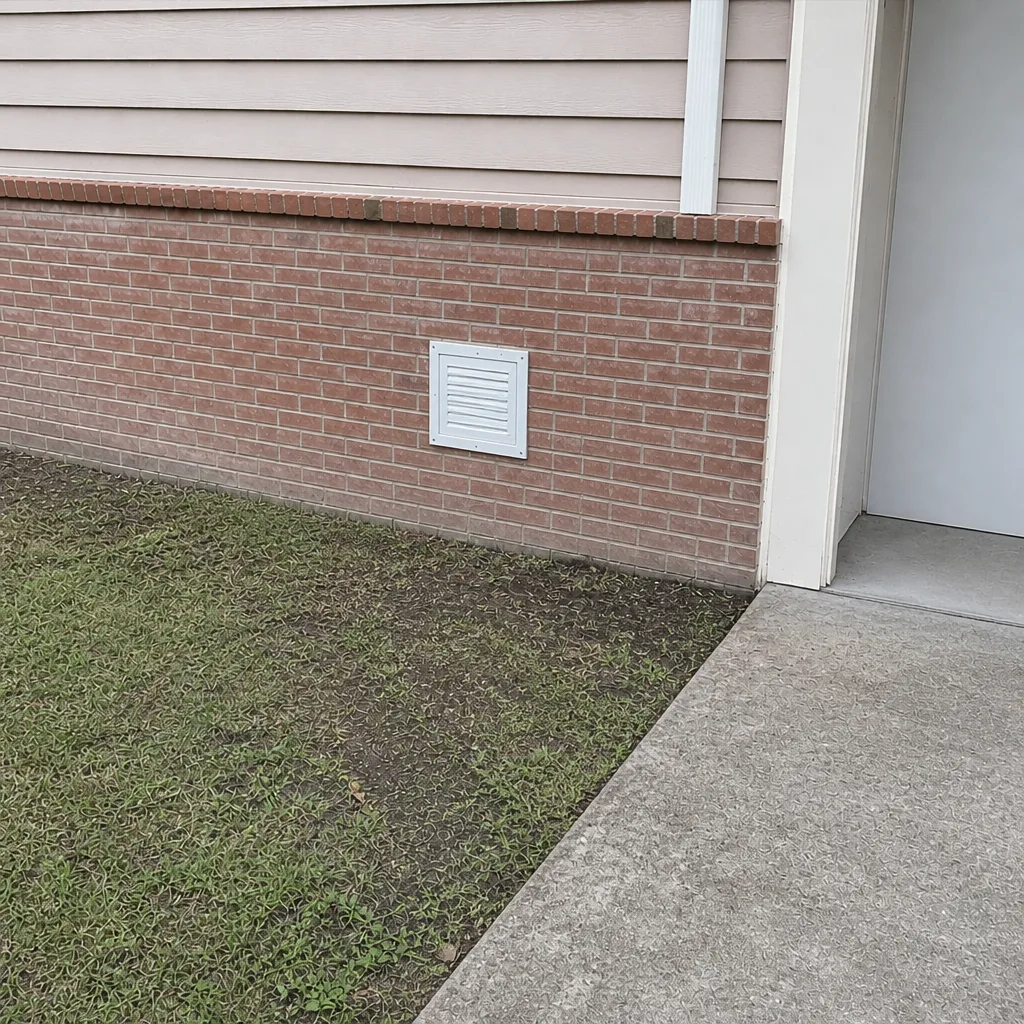 After
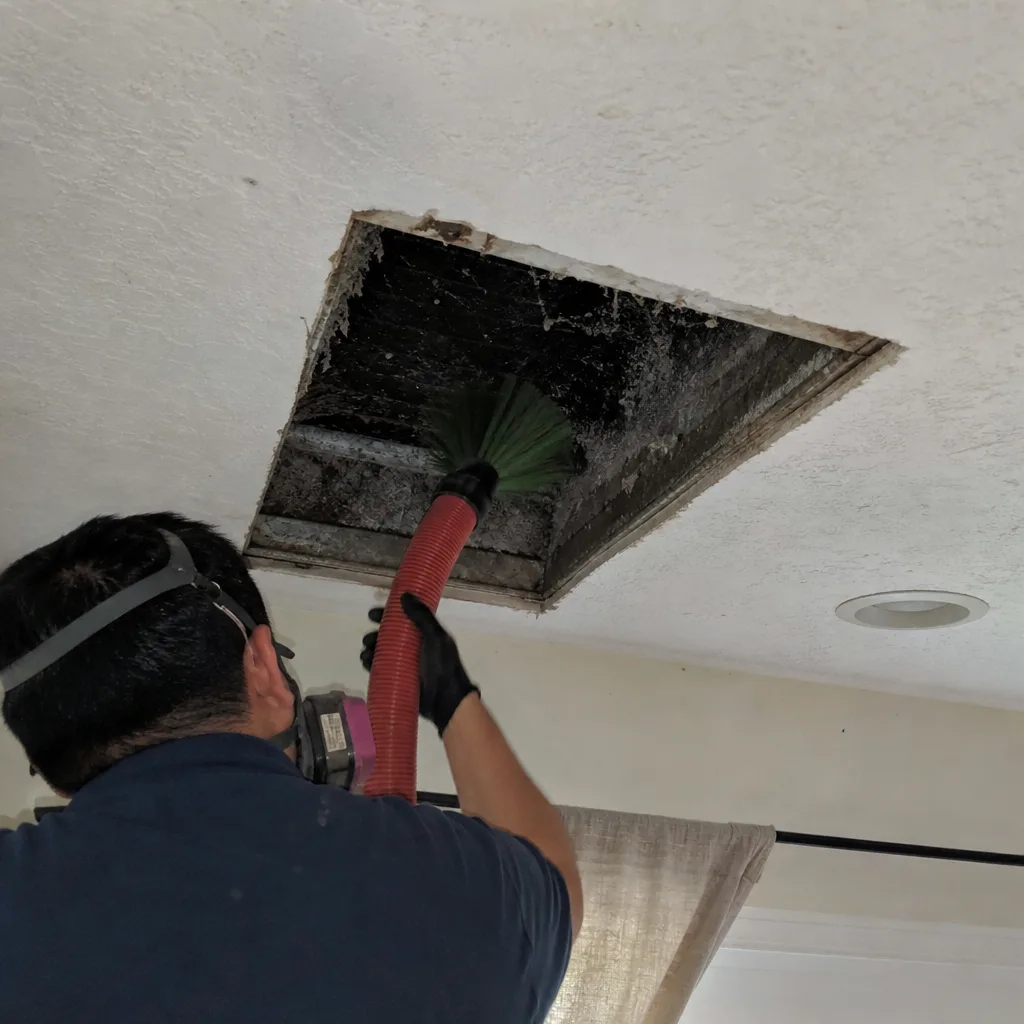 Before
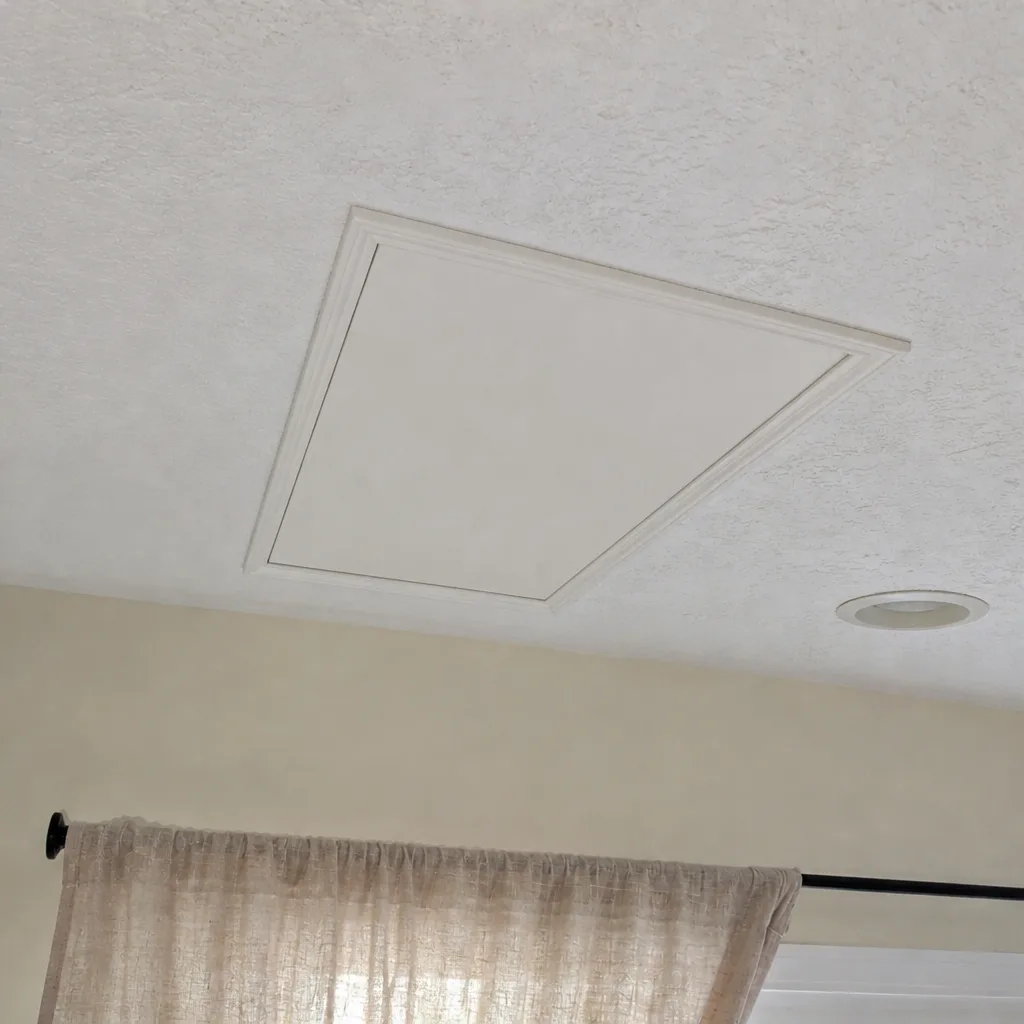 After
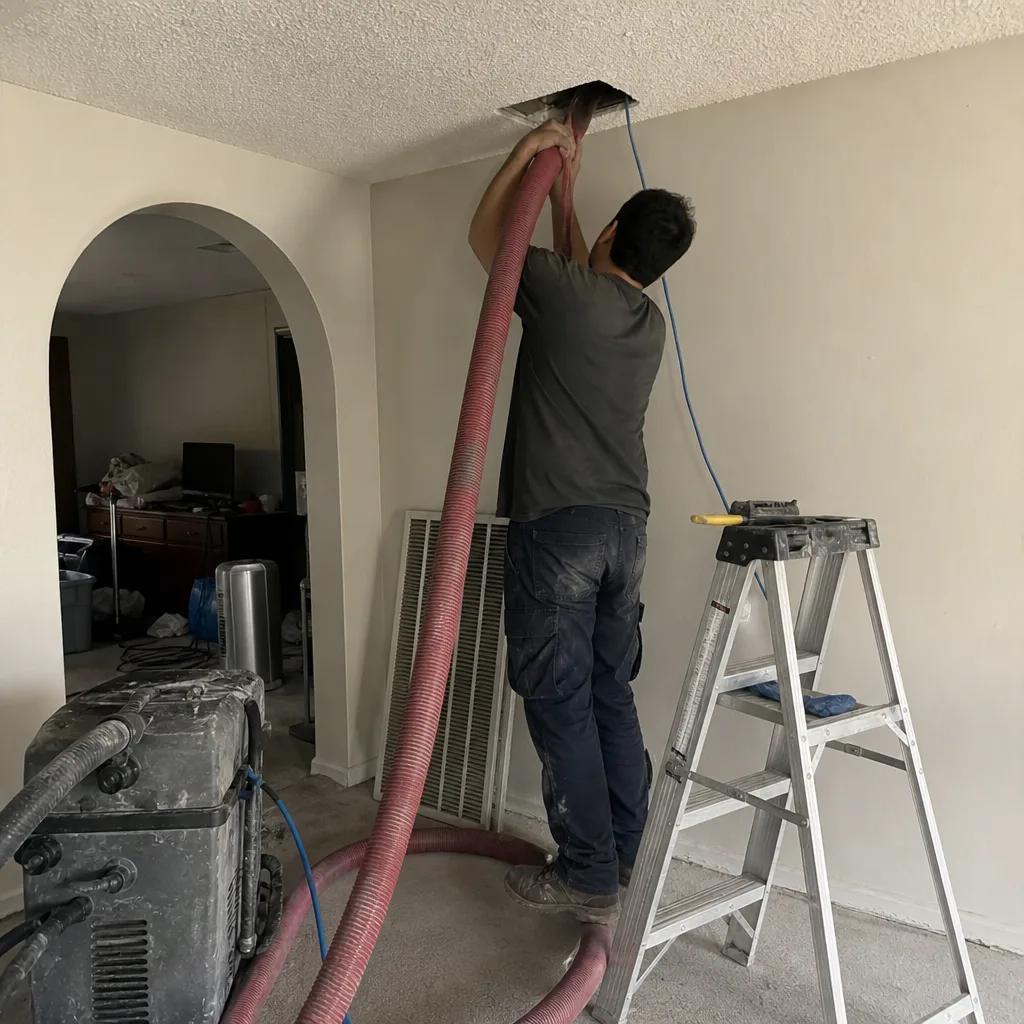 Before
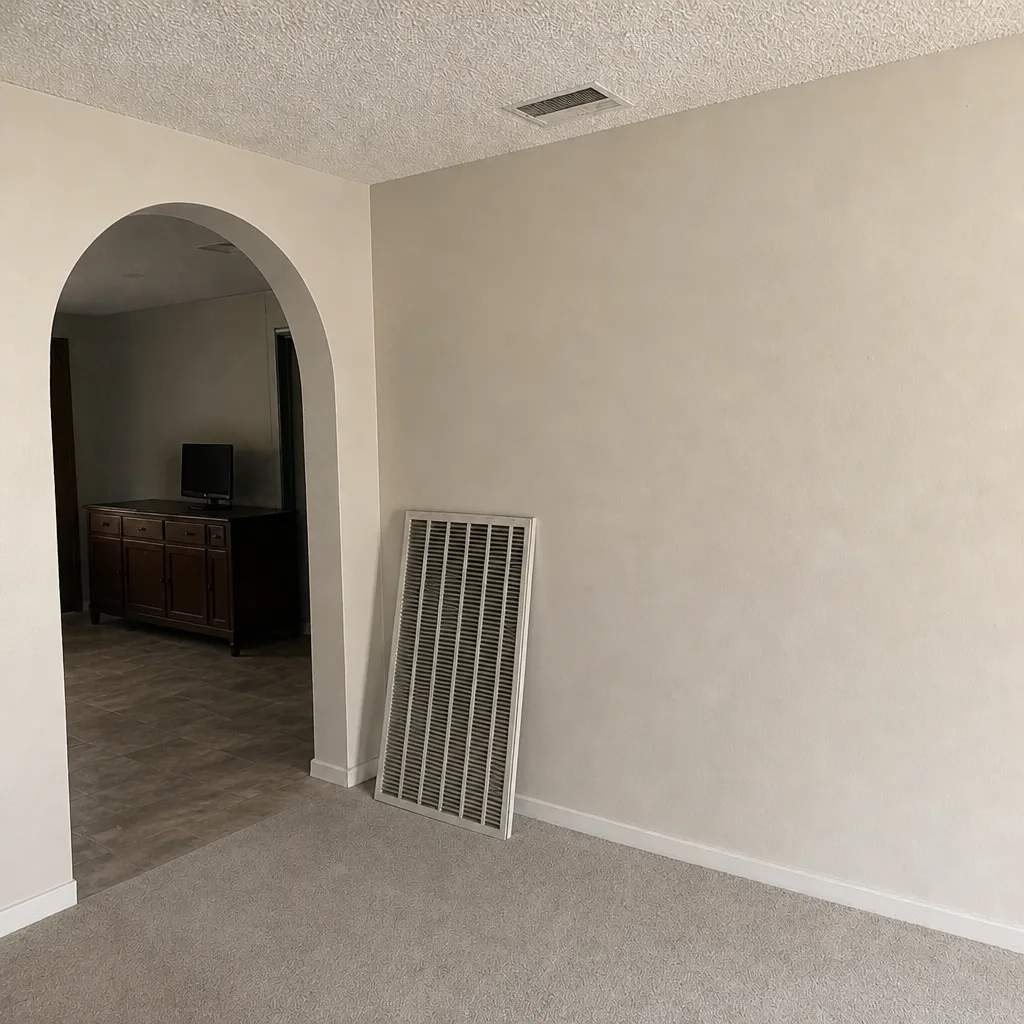 After
Pricing for Dryer Vent Cleaning in Energy Corridor, TX
Here’s what dryer vent work typically runs in the Energy Corridor market, so you have a real starting point instead of a teaser coupon.
- A standard dryer vent cleaning for a single vent run: $120 – $260
- Dryer vent inspection with camera, including a written finding: $95 – $175
- Vent rerouting to shorten a long attic run or redirect the termination: $250 – $650 depending on length, attic access and terminations
- Bird guard or vent cap replacement: $65 – $160
These are estimated ranges, and the written estimate is what sets the final price. One flat price per system, agreed before work starts. Nothing gets added once the technician is on site. The estimate is free. Call (855) 726-7308 and we’ll get a real number on paper for you.
We Also Serve Cities Near Energy Corridor
Our service area runs past the corridor into neighboring communities, including Memorial, Westchase, Bunker Hill Village and Hedwig Village. If you’re just outside the Energy Corridor boundary, call (855) 726-7308 and we’ll confirm coverage and get you on the schedule. Same dry-run findings, same camera inspection, same before-and-after photos.
Serving Energy Corridor, TX – Our Local Coverage Area
We serve Energy Corridor and nearby communities. Use the map below to see the area we cover. If you’re nearby, we can almost certainly help.
FAQs – Dryer Vent Cleaning in Energy Corridor
It’s the attic-routed flex run combined with Gulf Coast humidity. Most Energy Corridor homes have the dryer pushed against an exterior wall or in an interior utility closet, with the vent climbing through a 130°F+ attic before terminating at the roof or soffit. That run sags, the flexible duct softens in the heat, and lint collects at every low point instead of moving through to the outside. The result is a vent that clogs faster than the length of the run would suggest. Call (855) 726-7308 for a camera inspection.
Yes, in most cases it can. Interior utility closets are common in the corridor’s subdivisions, and they often mean the original run had to travel farther than it should to reach an exterior wall or roofline. We inspect the current path and quote a reroute that exits closer to the dryer, ideally straight through the wall or soffit. Shorter, straighter runs trap less lint. Call (855) 726-7308 for a reroute estimate.
It means the vent run is restricted and the air can’t escape with normal force. Common causes in Energy Corridor homes are lint packed at a low point in the attic flex run, a crushed section behind the dryer, or a termination cap clogged with lint and debris. In any of those cases, continuing to dry laundry forces moisture into the ductwork and back into the appliance. Call (855) 726-7308 to get it inspected before it gets worse.
Yes, especially on roofline and soffit terminations. The corridor’s tree-lined greens and open drainage areas give birds and wasps easy access, and a missing or broken guard lets nesting material collect inside the cap and block the flapper. A guard keeps animals out without restricting airflow when it’s installed correctly. Call (855) 726-7308 for a cap and guard inspection.
Yes, absolutely. Post-flood remediation in the corridor’s low-lying areas has left a legacy of water-damaged ductwork, and the dryer vent is on that list. Water logged flexible duct, compresses insulation, and leaves a moist environment where lint traps and microbial growth forms. If your home was affected by flooding at any point and the vent hasn’t been inspected since, it should be. Call (855) 726-7308 for a camera inspection.
What a Typical Dryer Vent Job Looks Like in Energy Corridor
Walk into most Energy Corridor homes and the laundry setup looks the same: the dryer sits in an interior utility closet or pushed against a brick-veneer exterior wall, and the vent run climbs up through a 130°F+ attic in flexible duct before exiting at the roof or soffit. The homeowner notices clothes taking two cycles to dry, and the outside flapper barely moves when you watch it. That’s the call we get.
What follows is straightforward. We run a camera down the full lint pathway to see exactly where the restriction is, then use agitation tools and negative pressure with HEPA filtration to pull the accumulated lint out of the whole run. If we find a crushed or separated section behind the dryer, we reconnect or reroute it. If we find missing or damaged bird guards at the termination, we replace them. If the roof or soffit cap is packed with lint and Katy prairie pollen, we clear it. Then we show you before-and-after photos of your own vent, so you can see the difference.
The real fix is often the run itself, not just the lint. A run that sags in 130°F+ attic heat will trap lint again in another year or two, no matter how well it’s cleaned. Rerouting or resealing that run is what keeps it clear longer. That’s the point most cleaning-only quotes miss. Call (855) 726-7308 for a free estimate on both the cleaning and any reroute the inspection turns up.
Written by the team at Air Duct Cleaning Energy Corridor.